
Ob Profi-Mechaniker oder leidenschaftlicher Heimwerker, das richtige Werkzeug kann den Unterschied machen Unter ihnen, die, Klammerentferner Zange Heben Sie sich als eines der vielseitigsten und unverzichtbarsten Werkzeuge zum Entfernen von Kfz-Clips, Verkleidungsplatten und Befestigungselementen hervor, ohne Schäden zu verursachen.
Ich habe Jahre damit verbracht, Handwerkzeuge für Kraftfahrzeuge herzustellen und zu testen, deshalb möchte ich praktische Erkenntnisse zur Auswahl, Verwendung und Wartung von Clip-Entfernerzangen teilen. Dies basiert nicht nur auf Theorie der Werkstatt, die auf realen Erfahrungen basiert.
Inhaltsverzeichnis
Warum Clip-Entferner-Zangen unerlässlich sind
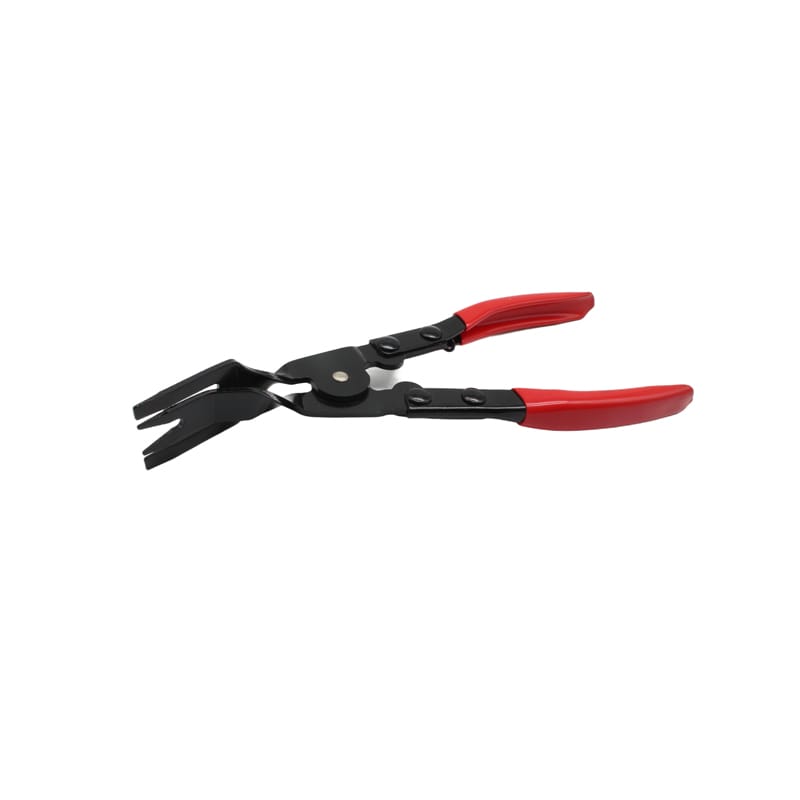
Moderne Fahrzeuge sind stark auf Kunststoffbefestigungen und -klammern angewiesen, um Innenverkleidungen, Stoßfänger und Verkleidungen zu sichern. Die Verwendung des falschen Werkzeugs kann leicht zu Beschädigungen von Verkleidungen oder zum Bruch von Klammern führen, was zu Frustration und zusätzlicher Arbeit führt.
Mit einem richtigen Paar Klammerentferner Zange, Sie können:
- Entfernen Sie Clips sauber und effizient
- Vermeiden Sie Kratzer oder Dellen auf Zierflächen
- Bequem arbeiten, ohne die Hände zu strapazieren
- Behandeln Sie sowohl Standard- als auch Hochleistungsclips
Auch bei kleinen Reparaturarbeiten zahlt sich der Zeitaufwand in die Wahl des richtigen Werkzeugs in Schnelligkeit und Präzision aus.
Die verschiedenen Typen verstehen
Nicht alle Clipentfernerzangen sind gleich gestaltet Je nach Art der Clips und Arbeitsumgebung benötigen Sie möglicherweise unterschiedliche Designs:
Standard-Innenzangen
- Am besten für Armaturenbretter, Türverkleidungen und leichte Clips
- Meist kompakt, mit einfachen Kieferformen
Hochleistungszangen
- Gebaut für starke Clips, die in Außenverkleidungen und Strukturverkleidungen verwendet werden
- Für zusätzlichen Hebel verstärkt
Extended Reach Tools
- Ideal für enge Räume hinter Paneelen
- Ermöglicht den Zugriff, ohne benachbarte Komponenten zu entfernen
Mehrwinkel-Kieferdesigns
- Nützlich, wenn Clips in ungünstigen Positionen platziert werden
- Hilft, Kraft und potenziellen Schaden zu minimieren
Die Wahl des richtigen Typs für Ihre Arbeit macht die Entfernung sicherer und schneller.
Material und Baumaterie
Schauen Sie sich bei der Bewertung von Klammerentfernerzangen genau deren Konstruktion an Qualitätswerkzeuge werden häufig aus Gehärteter legierter Stahl oder behandeltem Kohlenstoffstahl Die Backenspitzen sind auf Haltbarkeit wärmebehandelt, und korrosionsbeständige Beschichtungen halten das Werkzeug jahrelang funktionsfähig.
Aus Herstellersicht sind eine präzise Schwenkausrichtung und eine gleichmäßige Wärmebehandlung von entscheidender Bedeutung. Diese Details sorgen für einen reibungslosen Betrieb, gleichmäßigen Halt und langfristige Zuverlässigkeit, insbesondere bei wiederholtem Gebrauch.
Ergonomie und Komfort
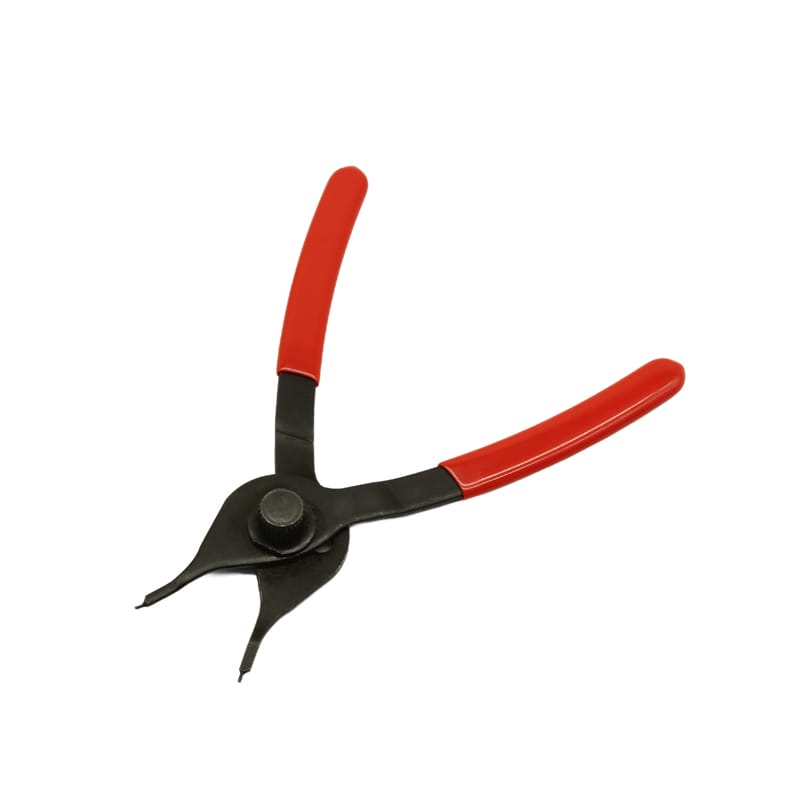
Das Entfernen mehrerer Clips hintereinander kann körperlich anstrengend sein. Ergonomisches Design wirkt sich nicht nur auf die Leistung aus.
Suchen Sie nach:
- Rutschfeste Griffe, die auch im fettigen Zustand sicher bleiben
- Ausgewogenes Gewicht zur Reduzierung der Ermüdung der Hand
- Federunterstützte Mechanismen für schnelleres, sich wiederholendes Arbeiten
Kleine Anpassungen der Griffgeometrie können bei langen Reparatursitzungen einen großen Unterschied machen.
Praktische Tipps zur Verwendung Clipentferner Zangen
Auch eine hochwertige Zange kann bei Missbrauch Schaden anrichten Hier einige Tipps zum Mitmachen:
Tipp 1: Richten Sie sich aus, bevor Sie ziehen
Positionieren Sie die Backen immer um die Clipbasis und nicht um den Kopf, um ein Biegen oder Einrasten zu verhindern.
Tipp 2: Kontrollierten Druck anwenden
Hebelwirkung, nicht rohe Gewalt anwenden Lassen Sie die Zange die Arbeit erledigen.
Tipp 3: Kennen Sie Ihren Clip
Verschiedene Clips, oder Metallansatz, anders ansprechen, Passen Sie Ihren Ansatz entsprechend an.
Tipp 4: Überprüfen Sie die Clips vor der Wiederverwendung
Manche Clips können auch dann innerlich beschädigt werden, wenn sie äußerlich unversehrt wirken, gegebenenfalls austauschen.
Vergleichen von Clip-Entferner-Zangen mit anderen Werkzeugen
Sie fragen sich vielleicht, wie sich eine Clipentfernerzange von Plattenverkleidungswerkzeugen oder allgemeinen Zangen unterscheidet Hier ein kurzer Vergleich:
- Plattenbesatzwerkzeuge: Flach, zum Hebeln ohne Durchstechen geeignet Ideal für flache Clips und dekorative Paneele.
- Allgemeine Zangen: Nicht spezialisiert Clips zu rutschen oder zu brechen.
- Clipentferner Zangen: Bietet präzises Greifen, kontrollierte Hebelwirkung und verringert das Risiko einer Beschädigung.
Bei Kfz-Reparaturen ist ein spezielles Clipentfernerwerkzeug oft schneller und sicherer.
Reale Anwendungen
So geht's Klammerentferner Zange Im Automobilalltag etwas bewegen:
- Entfernen von Türverkleidungen für den Zugang zu Lautsprechern oder Verkabelungen
- Demontage von Dashboards für HVAC - oder Infotainment-Reparaturen
- Zugriff auf Clips hinter Stoßfängern bei kleineren Kollisionsreparaturen
- Herausnehmen von Dämmplatten, um an versteckte Befestigungen zu gelangen
In jedem Szenario ist das Ziel dasselbe: Komponenten effizient und ohne Schäden entfernen.
Wartung und Langlebigkeit
Auch die beste Zange braucht Pflege, um konstant zu performen:
- Wischen Sie Fett und Schmutz nach jedem Gebrauch ab
- Schmieren Sie den Drehpunkt gelegentlich, um einen reibungslosen Betrieb aufrechtzuerhalten
- An einem trockenen Ort aufbewahren, um Korrosion zu verhindern
- Vermeiden Sie Überlastungen, die über die vorgesehene Clipstärke hinausgehen
Die richtige Pflege verlängert die Lebensdauer und sorgt dafür, dass das Werkzeug wie neu funktioniert.
Warum unsere Fertigungsperspektive wichtig ist
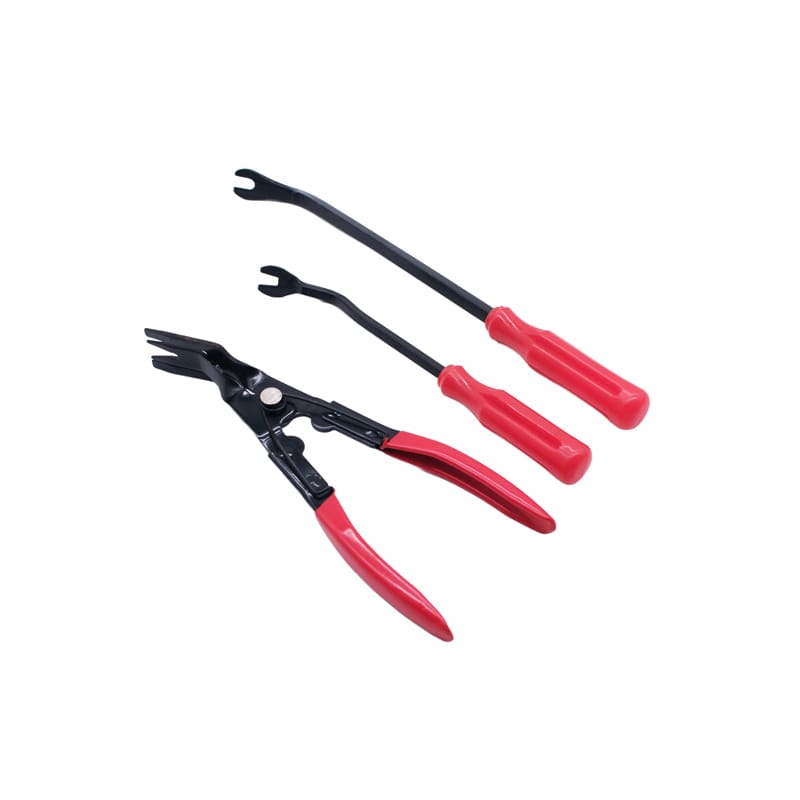
Als Hersteller priorisieren wir Präzision, Haltbarkeit und Benutzerfreundlichkeit. Unsere Werkzeuge durchlaufen:
- Strenge Belastungsprüfung
- Kieferausrichtungsinspektionen
- Ergonomische Bewertung
- Korrosions- und Oberflächenbehandlungskontrollen
Dieser Ansatz stellt sicher, dass jede Zange eine gleichbleibende Leistung über mehrere Anwendungsfälle hinweg liefert.
Schlussfolgerung
Die Wahl des richtigen Klammerentferner Zange Es geht nicht nur darum, ein anderes Werkzeug in Ihrer Box zu haben Es geht um Effizienz, Präzision, und um den Schutz der Trimmung und Clips Ihres Fahrzeugs Das richtige Tool verbessert den Arbeitsablauf, reduziert Fehler und macht die Wartung überschaubarer.
Egal, ob Sie ein professioneller Mechaniker oder ein Heimwerker sind, die Investition in Qualität, ergonomisch gestaltete Zangen sorgt dafür, dass Ihre Arbeit gleich beim ersten Mal richtig gemacht wird.
FAQ
Wofür werden Clipentfernerzangen verwendet?
Klemmentfernerzangen sind so konzipiert, dass sie Kfz-Klammern, Zierverschlüsse und Innenverkleidungshalterungen sicher entfernen, ohne die umgebenden Oberflächen zu beschädigen. Sie werden häufig in Autotürverkleidungen, Armaturenbrettern, Stoßfängern und Innenverkleidungssystemen verwendet.
Kann eine Clipentfernerzange bei allen Arten von Autoclips verwendet werden?
Sie können die meisten Standard-Automobilclips aus Kunststoff und Nylon handhaben. Für stark verstärkte oder metallische Befestigungselemente wird jedoch die Auswahl einer Hochleistungsversion oder die Kombination mit anderen Werkzeug zum Entfernen von Zierleisten empfohlen, um bessere Ergebnisse zu erzielen.
Was ist der Unterschied zwischen Clip-Entferner Zange und normale Zangen?
Normale Zangen sind nicht für die Präzisionsklammerextraktion ausgelegt und können verrutschen oder Komponenten beschädigen. Die Klemmentfernerzange verfügt über spezielle Backenformen, die einen kontrollierten Halt und eine kontrollierte Hebelwirkung für eine sichere, beschädigungsfreie Entfernung bieten.
Wie vermeide ich das Zerbrechen von Clips bei der Verwendung einer Clipentfernerzange?
Die richtige Ausrichtung ist der Schlüssel Positionieren Sie die Backen immer an der Basis des Clips und üben Sie einen stetigen, kontrollierten Druck anstelle einer plötzlichen Kraft aus. Das Verständnis des Clipmaterials trägt auch dazu bei, Brüche zu reduzieren.
Wie ist die Klammerentfernerzange zu pflegen?
Reinigen Sie nach dem Gebrauch Schmutz und Fett, schmieren Sie den Gelenkmechanismus leicht und lagern Sie das Werkzeug in einer trockenen Umgebung. Die richtige Wartung sorgt für einen reibungslosen Betrieb und verlängert die Lebensdauer des Werkzeugs.