
Inhaltsverzeichnis
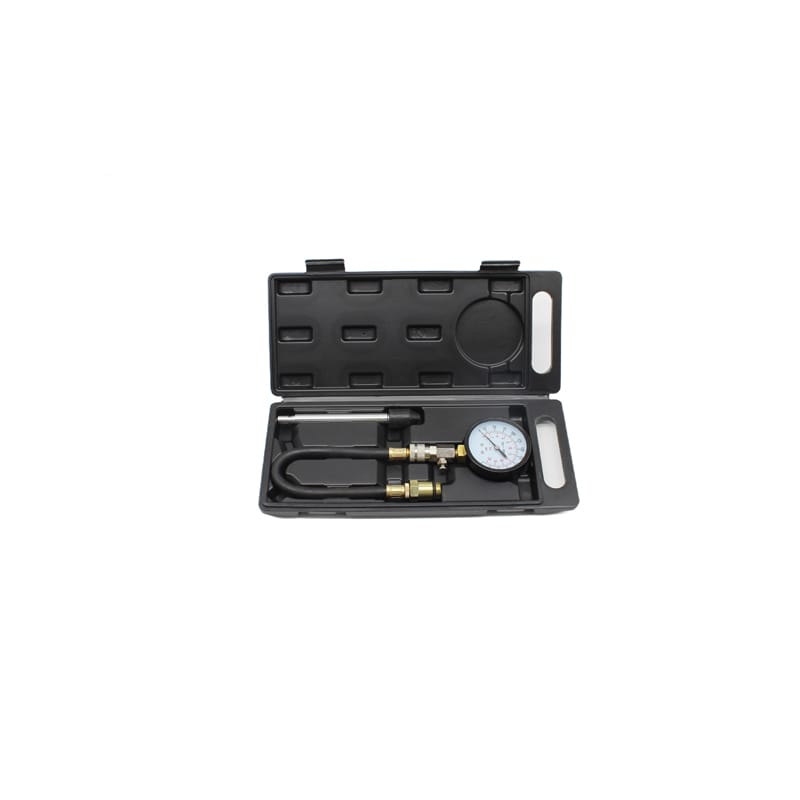
Was ein Motorkompressionstester Technikern hilft, herauszufinden
An Motorverdichtungsprüfer Diagnosewerkzeug ist, das zur Überprüfung des Zylinderabdichtungszustands verwendet wird Wenn ein Fahrzeug einen harten Start, Fehlzündungen, ungleichmäßigen Leerlauf oder Leistungsverlust hat, können Techniker einen Motorkompressionsprüfer verwenden, um die Druckwerte über Zylinder hinweg zu vergleichen und zu entscheiden, ob eine weitere Inspektion erforderlich ist.
Für Werkstätten ist der Wert eines Motorverdichtungsprüfers Geschwindigkeit und Richtung Das Werkzeug ersetzt nicht die vollständige Diagnose, aber es hilft Technikern, Zündung, Kraftstoff und mechanische Belange effizienter zu trennen Für Händler und Käufer von OEM-Werkzeugen liegt der Schlüssel in der Auswahl eines Bausatzes, der zu den Motoren und Servicegewohnheiten des Zielmarktes passt.
In diesem Leitfaden wird erläutert, wie ein Motorkompressionsprüfer für den professionellen Kfz-Service bewertet wird. Es behandelt die Lesbarkeit der Messgeräte, die Auswahl von Schläuchen und Adaptern, Benzin- und Dieselanwendungen, das Gehäuselayout, zugehörige Testwerkzeuge und die Produktpalettenplanung.
Beginnen Sie mit Motortyp und Adapterabdeckung
Die erste Kauffrage ist die Motorabdeckung Ein grundlegender Motorverdichtungsprüfer passt möglicherweise zu Ottomotoren mit gängigen Zündkerzengewindegrößen Ein Dieselverdichtungsprüfsatz benötigt in der Regel andere Adapter und einen für Dieselanwendungen geeigneten Druckbereich Käufer sollten nicht davon ausgehen, dass ein Kit jeden Motor abdeckt.
Für den technischen Hintergrund können Leser die Konzepte eines überprüfen Verbrennungsmotor und Verdichtungsverhältnis. In der Werkstattpraxis sucht der Techniker nützliche Vergleichsdaten zwischen Zylindern, nicht nur eine einzelne Zahl.
1TP3 T bietet Optionen wie die 8-teiliges Zylinderkompressionsprüfkit, 17 PC TU-15 B Dieselmotor Kompression Test Set, und verwandt Testwerkzeug Produkte.
Für Großhandelskäufer ist die Adapterabdeckung auch ein Problem des Kundendienstes. Wenn das Kit zu eng ist, können Werkstätten für fehlende Teile zum Händler zurückkehren oder einen anderen Lieferanten für zukünftige Diagnosetools auswählen. Ein klar definiertes Kit hilft Käufern, den Verwendungszweck vor dem Kauf zu verstehen und verringert Verwirrung nach der Lieferung.
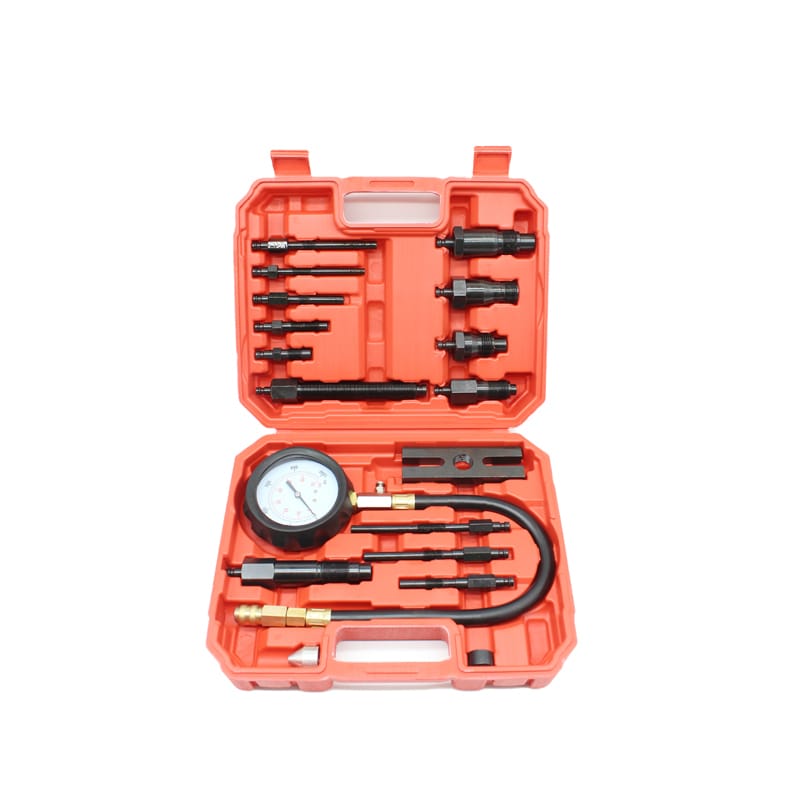
Überprüfen Sie die Messbarkeit und Schlauchqualität
Die Anzeige ist das Teil, das Benutzer zuerst beurteilen Ein professioneller Motorverdichtungsprüfer sollte über ein klares Zifferblatt, lesbare Markierungen und eine Nadel verfügen, die nach dem Gebrauch ordnungsgemäß zurückkehrt. Wenn Techniker die Anzeige nicht schnell lesen können, verlangsamt das Werkzeug die Diagnose und schafft Unsicherheit.
Auch die Schlauchqualität ist wichtig. Der Schlauch sollte sicher angeschlossen werden, dem normalen Werkstatthandling standhalten und es dem Techniker ermöglichen, Zylinder ohne umständliches Biegen zu erreichen. Schnelle Kupplungen und Adapter sollten sauber sitzen, ohne sich locker zu fühlen. Ein schlechter Schlauch oder eine schwache Armatur können die Verwendung einer guten Messeinrichtung frustrieren.
Beim Probenvergleich sollten Käufer den Motorkompressionsprüfer mehrmals zusammenbauen und zerlegen. Die Gewinde, Kupplungen, das Ablassventil und die Gehäusepositionen sollten sich alle logisch anfühlen. Diese Details sind auf Katalogfotos leicht zu übersehen, aber bei täglichen Reparaturarbeiten wichtig.
Benzin-Kits, Diesel-Kits und Leckerkennung
Durch das Zündkerzenloch wird häufig ein Kompressionsprüfer für Ottomotoren verwendet Dieselmotoren können unterschiedliche Adapter und höhere Druckbereiche benötigen, daher sollten Dieselbausätze separat bewertet werden Ein Verteiler, der gemischte Werkstätten bedient, benötigt möglicherweise sowohl Benzin - als auch Dieseldiagnosewerkzeuge im Katalog.
Kompressionstests können auch neben Leckagetests durchgeführt werden. Ein Kompressionstest liefert einen Druckwert beim Kurbeln, während ein Leckage-Werkzeug dabei hilft, zu lokalisieren, wo möglicherweise Luft austritt. Fengjie listet a auf TU-21 Zylinder-Leck-Detektor-Kit Als damit verbundene Diagnosemöglichkeit für Käufer, die ein breiteres Motorentestspektrum aufbauen.
Für einen allgemeinen Kontext zu Emissionen und Motorzustand können Käufer Informationen der US-Umweltschutzbehörde einsehen Fahrzeuge und Emissionen. Ein gutes Diagnosewerkzeugsortiment unterstützt genauere Wartungsentscheidungen, ohne übertriebene Behauptungen aufzustellen.
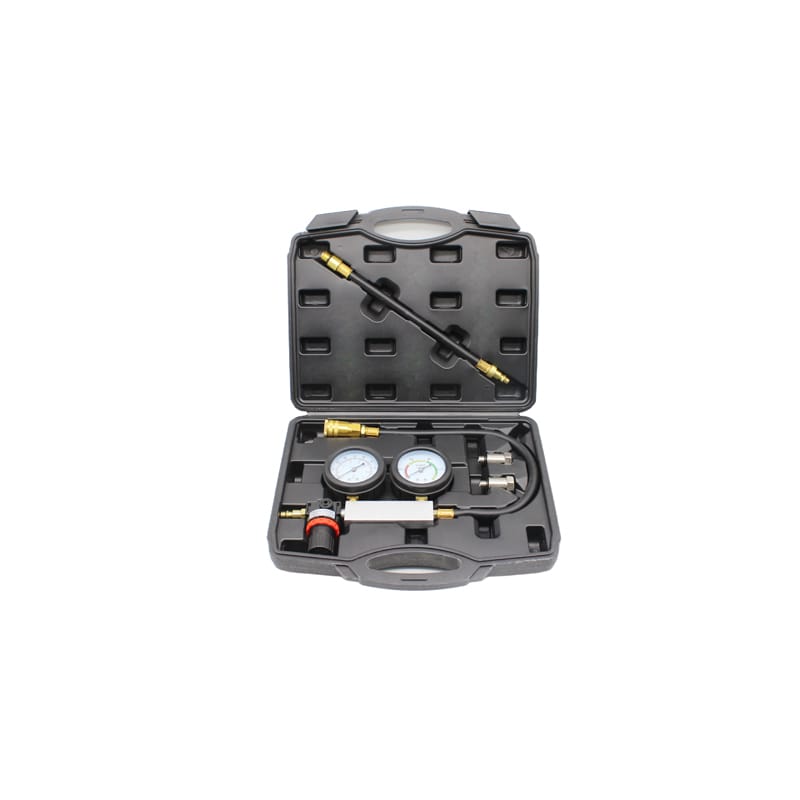
Erstellen Sie einen Diagnosetoolbereich für Workshops
Für Verteiler funktioniert ein Motorverdichtungsprüfer am besten als Teil einer Diagnosekategorie. Ein nützliches Sortiment kann Benzinverdichtungsprüfer, Dieselverdichtungstestsätze, Leckdetektorsätze, Kraftstoffdruckwerkzeuge und verwandte Motorserviceprodukte umfassen. Dies ermöglicht Kunden die Auswahl basierend auf Fahrzeugtyp und Diagnosetiefe.
1TP3 T-Produkte in der Motorwerkzeuge Kategorie kann diese Art der Sortimentsplanung unterstützen Käufer können einen Motorverdichtungsprüfer mit Leckerkennungswerkzeugen und anderen Prüfprodukten kombinieren, um eine klarere Katalogstruktur zu schaffen.
| Kundentyp | Vorgeschlagenes Tool | Auswahlschwerpunkt |
|---|---|---|
| Allgemeine Reparaturwerkstatt | Kompressionsprüfer für Benzinmotoren | Gängige Adapter und einfaches Ablesen |
| Diesel-Service-Shop | Dieselverdichtungsprüfsatz | Adapterbereich und höhere Druckfähigkeit |
| Diagnostisch ausgerichtete Werkstatt | Kompressions - und Lecksuchwerkzeuge | Vollständigere Fehlerverfolgung |
| OEM Werkzeugmarke | Maßgeschneidertes Diagnosekit | Verpackung, Kennzeichnung und stabile Versorgung |
Qualitätskontrollpunkte für Großabnehmer
Großabnehmer sollten die Konsistenz der Messgeräte, die Qualität der Schlauchverbindung, die Adaptergewinde, das Gehäuselayout und die Verpackungsfestigkeit überprüfen. Der Motorkompressionsprüfer sollte vor der Verwendung einfach zu lagern und leicht zu überprüfen sein. Fehlende Adapter oder unklare Tablettpositionen können zu Beschwerden führen, selbst wenn das Werkzeug selbst ordnungsgemäß funktioniert.
Allgemeine Werkstattsicherheit gilt weiterhin OSHA-Leitfaden zum Hand - und Elektrowerkzeuge ist nützlicher Hintergrund und NHTSA-Informationen zu Fahrzeugausrüstung Verstärkt, warum zuverlässige Wartungstools im Automobilservice wichtig sind.
Bei OEM-Projekten sollten Käufer die Produktkennzeichnung, die Anweisungssprache, die Barcode-Anforderungen, die Kartondetails und die Frage bestätigen, ob der Lieferant die gleiche Konfiguration im Laufe der Zeit wiederholen kann. Ein stabiles Motorkompressionsprüferprogramm ist einfacher zu verwalten, wenn der Inhalt und die Verpackung des Bausatzes vor der Produktion klar definiert sind.
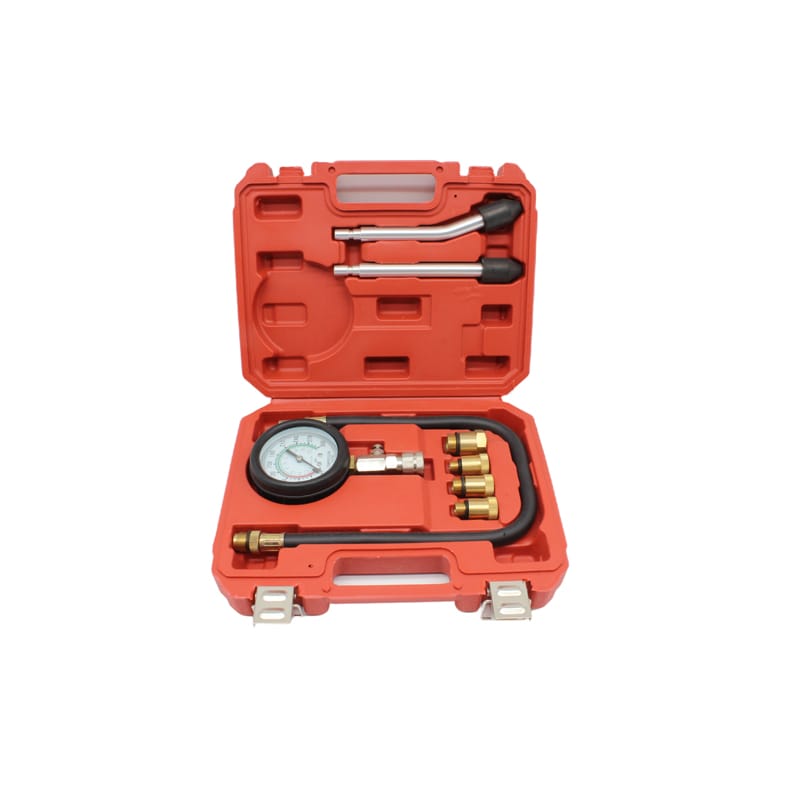
Endgültige Kauf-Checkliste
Bevor Sie sich für einen Motorverdichtungsprüfer entscheiden, bestätigen Sie die Motortypen, die Adapterabdeckung, den Druckbereich, die Messgerätelesbarkeit, die Schlauchlänge, die Kupplungsqualität, das Gehäusedesign und den Lieferantensupport. Wenn der Käufer Händler bedient, ist es möglicherweise besser, mehrere Diagnosekits anzubieten als ein breiter, aber unklarer Satz.
Eine gut geplante Motorverdichtungsprüfer-Reihe hilft Werkstätten, den Motorzustand effizienter zu diagnostizieren und gibt Werkzeugverteilern eine praktische Produktkategorie. Sie verbindet sich auch auf natürliche Weise mit anderen Motorservice- und Testwerkzeugen, die die Katalogtiefe verbessern können, ohne bestehende Produkte zu duplizieren.
Rezension Fengjie Testwerkzeug Produkte, erkunden Motorwerkzeuge, oder Kontaktieren Sie uns Anforderungen an OEM-, ODM- oder Großkunden-Diagnosetools zu besprechen.