
Moderne Fahrzeuginnenräume sind mit dichten Plattenlücken, versteckten Befestigungselementen, lackierten Dekorflächen, Soft-Touch-Kunststoffen, Verkabelungen, Schaltern und Clips ausgestattet, die oft so gestaltet sind, dass sie nach dem Einbau der Platte vollständig verschwinden. Deshalb Werkzeuge zum Entfernen von Kunststoffverkleidungen Sind zu einem grundlegenden Bestandteil professioneller Innen-, Tür-, Audio-, Glaszugangs- und Karosseriereparaturarbeiten geworden.
Der Vorteil von Werkzeuge zum Entfernen von Kunststoffverkleidungen Ist nicht einfach, dass sie weicher als Stahl sind Ihr wirklicher Wert kommt von der Kombination von kontrollierter Flexibilität, glatten Arbeitskanten, nützlicher Spitzengeometrie und genügend Hebel, um Trimmung zu lösen, ohne jeden Plattenspalt in ein Kratzrisiko zu verwandeln Ein gutes Set sollte verschiedene Formen für verschiedene Jobs enthalten, anstatt mehrere Werkzeuge, die alle das Gleiche tun.
Dieser Leitfaden erklärt, wie Werkzeuge zum Entfernen von Kunststoffverkleidungen Arbeit, wie sich Nylon - und PP-Werkzeuge von Metallentfernern unterscheiden, welche Profile am wichtigsten sind, wie man sie um Türverkleidungen und Fensterverkleidungen herum verwendet, was Beschädigungen an der Verkleidung verursacht und was Händler oder Private-Label-Käufer vor der Genehmigung eines Werkzeugbausatzes prüfen sollten.
Inhaltsverzeichnis
Was sind Werkzeuge zum Entfernen von Kunststoffbesätzen?
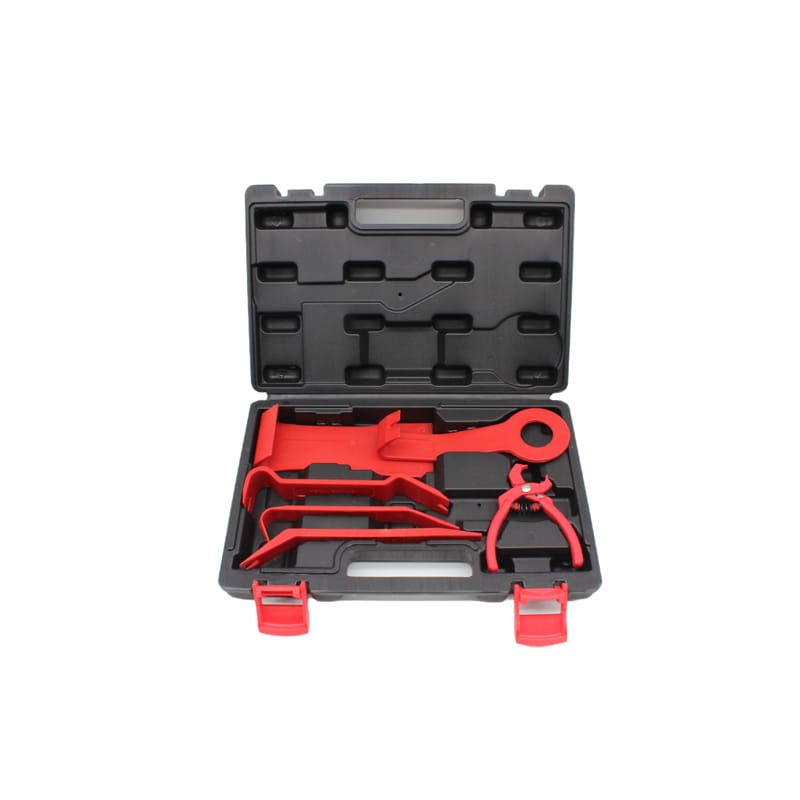
Werkzeuge zum Entfernen von Kunststoffverkleidungen Bei nicht angetriebenen Handwerkzeugen handelt es sich um handwerkliche Werkzeuge, die zum Trennen, Heben, Anhebeln, Lösen oder Neupositionieren von Fahrzeugverkleidungskomponenten entwickelt wurden und bei denen das Risiko einer Oberflächenbeschädigung geringer ist als bei einem herkömmlichen Metallschraubendreher oder einer herkömmlichen Brechstange.
Sie werden häufig verwendet um:
- Türverkleidungen
- Armaturenbrett-blenden
- Mittelkonsolen
- Fensterverkleidung
- Wetterstreifend
- Polsterplatten
- Lautsprecherabdeckungen
- Radio - und Audio-Trimmung
- Pfeilerbesatz
- Innenbeleuchtungsfelder
- Zierleisten
- Kunststoffklammern und -halter
Am meisten Werkzeuge zum Entfernen von Kunststoffverkleidungen Aus Nylon, PP oder einem anderen technischen Kunststoff geformt werden, der ausgewählt wurde, um ein Gleichgewicht zwischen Steifigkeit und Flexibilität zu gewährleisten. Einige Bausätze verwenden unterschiedliche Breiten und Winkel, sodass Techniker das Werkzeug an den Plattenspalt und die Position des Befestigungselements anpassen können.
Fengjies 4 Stück Kunststoff Auto Auto-Tür-Panel-Trimmung-Entfernungswerkzeuge Kit Set Enthält breitkantige, schmalkantige, Zug-, Griff- und Polsterentfernungsfunktionen.
Die 5-teiliges Werkzeugset zum Entfernen von Trimmbefestigungen und Formteilen Wird für Türverkleidungen, Fensterverkleidungen, Halteklammern und den Zugang zu Windschutzscheibenformteilen hergestellt.
Der entscheidende Punkt ist, dass Werkzeuge zum Entfernen von Kunststoffverkleidungen Sie sollen nicht jeden Metallclip-Entferner ersetzen. Sie sind die Werkzeuge der ersten Wahl für oberflächenempfindlichen Zugang und kontrollierte Plattentrennung.
Warum Werkzeuge zur Entfernung von Kunststoffbesätzen an fertigen Oberflächen sicherer sind
Ein Flachmesser-Schraubendreher kann Hebelwirkung erzeugen, aber seine schmale Stahlkante konzentriert die Kraft auf eine sehr kleine Kontaktfläche.
Auf lackiertem Kunststoff, klavierschwarzen Verzierungen, weichen Armaturenbrettern, mit Vinyl überzogenen Paneelen oder fertigen Türoberflächen kann dieser konzentrierte Druck bleibende Spuren hinterlassen.
Werkzeuge zum Entfernen von Kunststoffverkleidungen Reduzieren Sie dieses Risiko auf drei wichtige Arten.
Weicheres Kontaktmaterial
Die Arbeitskante schneidet im Allgemeinen weniger wahrscheinlich in eine fertige Oberfläche ein als eine Kante aus gehärtetem Stahl.
Dies bedeutet nicht Werkzeuge zum Entfernen von Kunststoffverkleidungen Schaden nicht verursachen Übermäßige Kraft, beschädigte Spitzen, eingebetteter Schmutz oder schlechte Positionierung können dennoch eine Platte markieren.
Der Vorteil ist eine geringere Kontaktaggressivität.
Breitere Lastverteilung
Viele Werkzeuge zum Entfernen von Kunststoffverkleidungen Breitkeile verwenden, die die Hebelwirkung über eine größere Fläche verteilen.
Wenn ein Techniker den ersten Spalt zwischen einer Platte und ihrer Montagefläche herstellen muss, kann die breitere Kontaktzone lokalisierte Beulen, Risse oder Kantenverformungen reduzieren.
Kontrollierte Flex
Ein kleiner Flex kann dem Werkzeug dabei helfen, einer Plattenoberfläche zu folgen, anstatt jede Bewegung direkt in die Verkleidung zu übertragen.
Zu viel Flex ist unerwünscht, aber ein völlig starres Werkzeug kann auch dazu führen, dass empfindliche Platten schwerer zu kontrollieren sind.
Für Techniker, die wiederholte Handwerkzeugarbeiten durchführen, ist die NIOSH-Leitfaden zur Auswahl nicht angetriebener Handwerkzeuge Empfiehlt die Auswahl der Werkzeuge entsprechend der tatsächlichen Aufgabe unter Berücksichtigung von Kraft, wiederholter Bewegung, Griff und ungünstigen Arbeitspositionen.
Werkzeuge zum Entfernen von Nylon- und PP-Kunststoffbesätzen
Nicht jedes Kunststoffwerkzeug verhält sich gleich.
Zwei Werkzeuge zum Entfernen von Kunststoffverkleidungen Fast identisch aussehen kann und sich unter Hebel sehr unterschiedlich anfühlt.
Werkzeuge für Nylonbesatz
Nylon wird häufig verwendet, wenn ein Trimmwerkzeug eine nützliche Steifigkeit, Verschleißfestigkeit und kontrollierte Flexibilität benötigt.
Abhängig von Formulierung, Wandstärke, Formbedingungen und Werkzeuggeometrie können Nylonwerkzeuge relativ fest bleiben und dennoch auf Zierflächen weniger aggressiv sein als Stahl.
Nylon Werkzeuge zum Entfernen von Kunststoffverkleidungen Besonders nützlich sind für:
- Türplattenkeile
- Armaturenbrettverkleidung
- Gegabelte Clipwerkzeuge
- Schmale Pfahlprofile
- Formzugang
- Wiederholte Werkstattnutzung
Käufer sollten jedoch nicht davon ausgehen, dass alle Nylonwerkzeuge die gleiche Leistung erbringen.
Materialqualität, Formprozess, Verstärkung und Dicke der Arbeitsspitzen wirken sich alle auf die Leistung in der Praxis aus.
PP-Trimmwerkzeuge
PP kann nützliche Flexibilität für leichte bis mittlere Trimmaufgaben bieten.
Es kann gut funktionieren, wenn ein Techniker ein risikoärmeres Ersteintrittswerkzeug um fertige Innenflächen herum haben möchte.
PP Werkzeuge zum Entfernen von Kunststoffverkleidungen Sind oft geeignet für:
- Dekorative Abdeckungen
- Lichtschneidestreifen
- Erste Panel-Gap-Erstellung
- Oberflächensensible Bereiche
- Breite Keilprofile
Das richtige Material hängt vom Job ab.
Ein breiter Keil kann von mehr Biegung profitieren, während ein schmaler Gabelentferner möglicherweise eine größere Steifigkeit erfordert.
Bei der B2 B-Beschaffung sollte “Nylon” oder “PP” als Beginn einer Spezifikation und nicht als die gesamte Spezifikation behandelt werden.
Die sieben Kunststoff-Trimmentfernungswerkzeugformen, die am wichtigsten sind
Die Nützlichkeit von Werkzeuge zum Entfernen von Kunststoffverkleidungen Mehr von der Geometrie als von der auf der Packung aufgedruckten Zahl abhängt.
Ein professionelles Set sollte mehrere verschiedene Zugriffsprobleme lösen.
Breitkeil
Ein breiter Keil trennt größere Plattenkanten bei Spreizdruck.
Es ist nützlich für:
- Türverkleidungen
- Dashboard-abschnitte
- Größere Zierdecken
- Laderaumverkleidung
Ein breites Werkzeug ist besonders nützlich, wenn die Oberfläche leicht zu markieren ist und der Techniker die Kraft verteilen muss.
Ein breiter Keil ist jedoch nicht immer das richtige Werkzeug für einen tief positionierten Clip.
Wenn die Arbeitskante das Befestigungselement nicht erreichen kann, kann das weitere Aufhebeln die Platte einfach biegen.
Schmalkeil
Ein schmales Werkzeug schafft den Zugang in engen Plattenlücken.
Typische Anwendungen sind:
- Schaltbänke
- Kleine Zierkappen
- Fensterlinienverkleidung
- Lautsprecherabdeckungen
- Schmale Armaturenbrettgelenke
Schmal Werkzeuge zum Entfernen von Kunststoffverkleidungen Glatte, dünne Arbeitskanten haben sollte.
Eine dicke oder schlecht fertige Spitze kann dazu führen, dass der Techniker unnötige Gewalt anwendet, nur um in die Lücke einzudringen.
Gegabelter Clipentferner
Ein gegabeltes Kunststoffwerkzeug kann um einen Druckclip oder Halteschaft passen und die Hebelwirkung näher an das eigentliche Befestigungselement lenken.
Dies ist besonders nützlich, sobald die anfängliche Lücke entstanden ist.
Die Gabelöffnung sollte einigermaßen gut zum Clip passen.
Wenn das Befestigungselement extrem fest, tief sitzend oder metallisch ist, kann ein stärkerer Metallclip-Entferner geeigneter sein.
Pull-Type-Entferner
Zugwerkzeuge verwenden ein gebogenes oder hakenförmiges Profil, um Trimm- und Befestigungselemente in eine kontrollierte Richtung anzuheben.
Diese Werkzeuge zum Entfernen von Kunststoffverkleidungen nützlich sind, wenn ein gerader Keil keinen natürlichen Zugwinkel bietet.
Langstreckenhebel
Ein längeres Werkzeug kann tiefer hinter einer Platte positionierte Halterungen erreichen.
Häufige Anwendungen sind:
- Türkartenklammern
- Große Innenverkleidungen
- Frachtbesatz
- Tiefe Armaturenbrettverbindungen
Länge verbessert die Reichweite, verändert aber auch die Hebelwirkung.
Ein zu flexibles langes Werkzeug kann sich verdrehen, bevor der Clip losgelassen wird.
Winkelbesatzwerkzeug
Ein abgewinkeltes Arbeitsende kann den Zugang dort verbessern, wo der Griff nicht parallel zur Zierfläche bleiben kann.
Dieses Profil kann nützlich sein um:
- Fensterverkleidung
- Türecken
- Mittelkonsolen
- Dashboard-bereiche
Der Winkel soll den Zugang erleichtern, ohne den Techniker in eine ungünstige Handposition zu zwingen.
Dual-End-Tool
Einige Werkzeuge zum Entfernen von Kunststoffverkleidungen Stellen Sie an jedem Ende ein anderes Arbeitsprofil bereit.
Dadurch kann die Anzahl der einzelnen Werkzeuge, die in einem mobilen Kit benötigt werden, reduziert werden.
Das unbenutzte Ende sollte jedoch den Griff nicht beeinträchtigen oder während der Hebelwirkung einen unangenehmen Druckpunkt erzeugen.
Werkzeuge zum Entfernen von Kunststoffbesätzen vs. Werkzeuge zum Besetzen von Metall
Professionelle Workshops brauchen oft beides.
Die richtige Frage ist nicht, ob Kunststoff oder Metall universell besser ist.
Die richtige Frage ist, welches Material die beste Kombination aus Zugang, Oberflächenschutz, Hebelwirkung und Befestigungselementsteuerung für einen bestimmten Auftrag bietet.
| Anwendung | Kunststoffwerkzeug | Metallwerkzeug |
|---|---|---|
| Sichtbarer Soft-Touch-Zierschnitt | Bevorzugte erste Wahl | Vorsichtig verwenden |
| Erstellen der ersten Panellücke | Ausgezeichnet | In der Regel unnötig |
| Lackierte Zierleisten | Geringeres Kennzeichnungsrisiko | Benötigt mehr Oberflächenschutz |
| Enger Stahlclip | Kann sich zu sehr beugen | Oft effektiver |
| Tiefschiebeverschluss | Kommt auf die Steifigkeit an | Starkes Gabelwerkzeug funktioniert möglicherweise besser |
| Armaturenbrettblende | Normalerweise bevorzugt | Nebenmöglichkeit |
| Fensterverkleidung | Gut für den ersten Zugang | Nützlich für widerstandsfähige Clips |
| Wiederholte Schwergewinnung | Kann sich mit der Zeit tragen | Oft besser für hohe Kraft |
Ein praktischer Workflow ist oft:
- Verwenden Werkzeuge zum Entfernen von Kunststoffverkleidungen Kontrollierten Zugriff zu schaffen.
- Identifizieren Sie das Befestigungselement.
- Fahren Sie mit einer Plastikgabel fort, wenn der Clip normal loslässt.
- Wechseln Sie zu einem speziellen Metallclip-Entferner, wenn das Befestigungselement mehr Festigkeit erfordert.
Dieser gemischte Ansatz trägt dazu bei, Kratzer zu reduzieren, ohne Kunststoffwerkzeuge über die vorgesehene Arbeitslast hinaus zu zwingen.
So verwenden Sie Werkzeuge zum Entfernen von Kunststoffbesätzen auf Autotürpaneelen
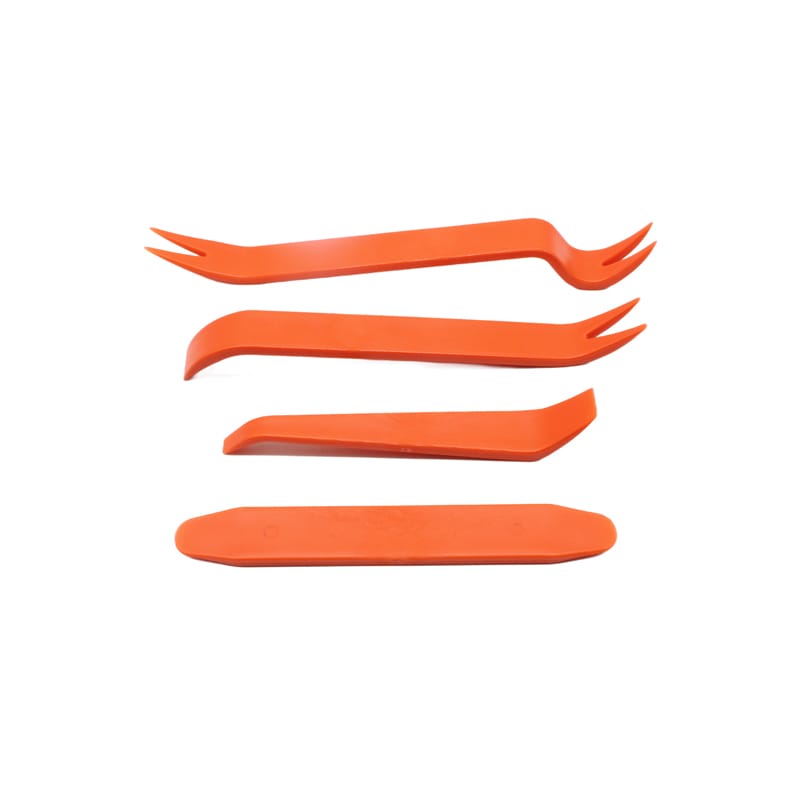
Türverkleidungen sind eine der häufigsten Anwendungen für Werkzeuge zum Entfernen von Kunststoffverkleidungen, (aber sie sind auch einer der am einfachsten zu beschädigenden Bereiche, wenn versteckte Befestigungselemente missverstanden werden.
Befolgen Sie immer die fahrzeugspezifische Entfernungssequenz, sofern verfügbar.
Finden Sie zuerst versteckte Befestigungselemente
Überprüfen Sie vor dem Einsetzen eines Werkzeugs:
- Türgriffverkleidung
- Fensterschalterplatten
- Armlehnen
- Griffe greifen
- Lautsprecherabdeckungen
- Aufbewahrungstaschen
- Untere Plattenkanten
- Spiegelverkleidung
Wenn sich das Panel nicht bewegen lässt, gehen Sie nicht automatisch davon aus, dass die Clips fest sitzen.
Eine versteckte Schraube darf noch eingebaut werden.
Beginnen Sie an einem risikoarmen Einstiegspunkt
Wählen Sie eine Kante, an der ein schmaler Kunststoffkeil eindringen kann, ohne eine gut sichtbare dekorative Oberfläche zu berühren.
Setzen Sie das Werkzeug vorsichtig ein.
Das Ziel ist nicht, das Panel sofort zu entfernen.
Ziel ist es, genügend Platz zu schaffen, um zu erkennen, wo der erste Clip positioniert ist.
Bewegen Sie das Werkzeug in Richtung des Clips
Nach dem Aufstellen des Clips positionieren Sie die Arbeitskante näher am Befestigungselement.
Werkzeuge zum Entfernen von Kunststoffverkleidungen Am besten funktionieren, wenn die Hebelwirkung in der Nähe des Haltepunkts und nicht mehrere Zentimeter davon entfernt ausgeübt wird.
Wenn sich die Platte deutlich biegt, während der Clip stationär bleibt, ist der Arbeitspunkt wahrscheinlich zu weit vom Befestigungselement entfernt.
Release-Clips nach und nach
Arbeiten Sie einen Clip nach dem anderen um den Umfang herum.
Stützen Sie das Panel, wenn es sich löst, damit die verbleibenden Clips, Kabelanschlüsse und Verriegelungskabel keine unnötige Last tragen.
Überprüfen Sie die obere Retentionsmethode
Viele Türkarten sind über der oberen Kante der Tür in der Nähe des Fensters eingehängt.
Nachdem die Umfangsklammern freigegeben wurden, muss sich das Panel möglicherweise nach oben und nicht direkt nach außen bewegen.
Das korrekte Entfernen der Clips bedeutet nicht, dass sofort die gesamte Platte in Richtung Techniker gezogen werden sollte.
Verwendung von Werkzeugen zum Entfernen von Kunststoffbesätzen rund um Fensterbesatz und Formen
Fensterverkleidung kann kombinieren:
- Lackierte Karosserie
- Gummidichtungen
- Kunststoffklammern
- Metallhalterungen
- Dünne Zierleisten
- Enge Arbeitslücken
Dies macht Werkzeuge zum Entfernen von Kunststoffverkleidungen Besonders nützlich während der ersten Zugriffsphase.
Die 5-teiliges Werkzeugset zum Entfernen von Trimmbefestigungen und Formteilen Eignet sich für Türverkleidungen, Fensterverkleidungen, Halteklammern und Formenarbeiten.
Ein sorgfältiger Prozess sollte:
- Bestimmen Sie, ob die Zierleiste abgeschnitten, eingehakt, mit Klebeband versehen oder in die Wetterstreifen integriert ist.
- Beginnen Sie mit dem dünnsten geeigneten Kunststoffprofil.
- Vermeiden Sie es, die Arbeitskante in lackierte Karosserie zu drücken.
- Heben Sie nur so weit, dass die Retentionsmethode identifiziert werden kann.
- Arbeiten Sie schrittweise entlang der Verkleidung.
- Stoppen Sie, wenn sich das Formteil nicht wie erwartet bewegt.
Werkzeuge zum Entfernen von Kunststoffverkleidungen Berührungsrisiko reduzieren, aber sie können die falsche Abfuhrrichtung nicht sicher machen.
Wenn ein Formteil so konstruiert ist, dass es von einem Haken gleiten oder sich lösen kann, kann ein direktes Herausziehen immer noch zu Schäden führen.
Neun Fehler, die dazu führen, dass Werkzeuge zum Entfernen von Kunststoffbesätzen scheitern
Verwenden Sie zuerst das dickste Werkzeug
Eine dicke Kante kann zu viel Kraft erfordern, nur um in die Lücke einzudringen.
Beginnen Sie mit dem dünnsten Profil, das einen sicheren Zugriff ermöglicht.
Angenommen, alle Flex ist schlecht
Ein kleines Maß an kontrollierter Flexibilität ist nützlich.
Das Ziel ist nicht die maximale Steifigkeit Das Werkzeug benötigt genügend Steifigkeit, um die Platte zu bewegen und dabei trotzdem einen oberflächenfreundlichen Kontakt zu halten.
Zu weit vom Clip entfernt weinen
Sobald das Befestigungselement lokalisiert wurde, bewegen Sie das Werkzeug näher daran.
Große Plattenauslenkung ist meist ein Zeichen dafür, dass sich der Hebelpunkt ändern muss.
Verwendung beschädigter Arbeitskanten
Wiederholter Gebrauch kann verlassen Werkzeuge zum Entfernen von Kunststoffverkleidungen mit:
- Grate
- Abgeflachte Spitzen
- Scharfe Verformungen
- Risse
Überprüfen Sie den Rand, bevor Sie ihn auf einer sichtbaren Oberfläche verwenden.
Erzwingen von Kunststoffwerkzeugen gegen Schwermetallhalter
Manche Clips benötigen mehr Kraft.
Wenn sich das Kunststoffwerkzeug übermäßig biegt, wechseln Sie zu einem geeigneten Metallentferner, anstatt die Kraft zu erhöhen.
Vergessen Sie versteckte Schrauben
Kein Material kann eine Zierleiste schützen, wenn noch eine versteckte Schraube eingebaut ist.
Für jeden Job eine Form verwenden
Breite Keile, schmale Werkzeuge, Gabelentferner, lange Hebel und abgewinkelte Profile dienen unterschiedlichen Zwecken.
Werkzeugvielfalt zählt.
Handposition ignorieren
Ein Werkzeug, das das Handgelenk in einen extremen Winkel drückt oder eine übermäßige Quetschkraft erfordert, kann schwer zu kontrollieren sein.
Die NIOSH Handwerkzeugführung Empfiehlt, bei der Auswahl nicht angetriebener Werkzeuge Griffigkeit, Haltung, Kraft und Wiederholung zu berücksichtigen.
Angenommen “Nicht-Marring” bedeutet schadensicher
Werkzeuge zum Entfernen von Kunststoffverkleidungen Reduzieren Sie das Risiko von Oberflächenschäden.
Sie beseitigen es nicht.
Schmutz zwischen Werkzeug und Paneel, übermäßige Hebelwirkung oder eine beschädigte Spitze können dennoch zu Kratzern oder Druckspuren führen.
Wie Workshops ein praktisches Werkzeugset zum Entfernen von Kunststoffbesätzen erstellen sollten
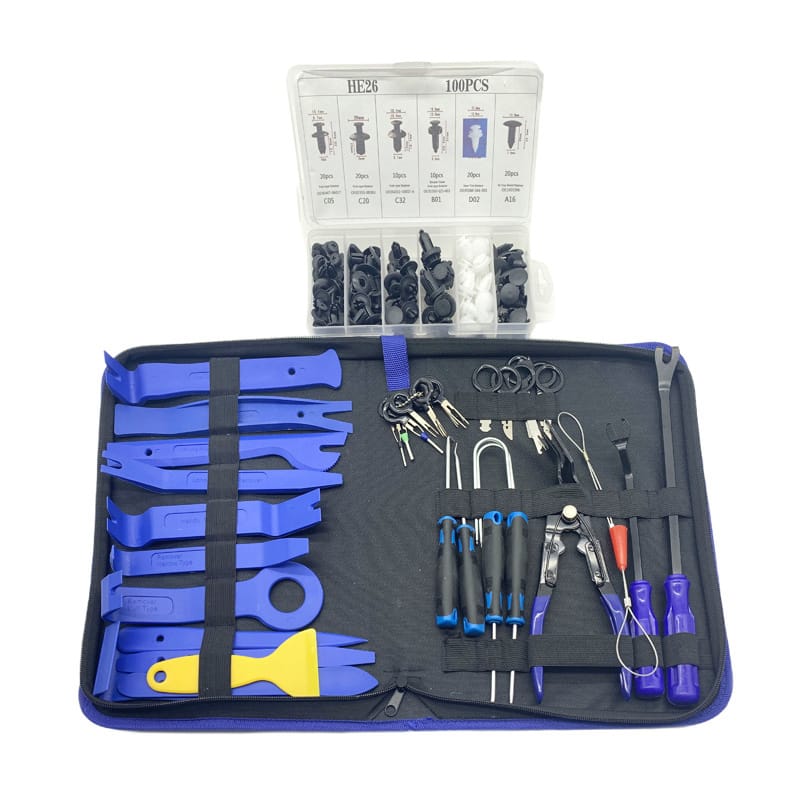
Ein Workshop-Kit sollte nach Funktion und nicht nach Farbe oder maximaler Stückzahl organisiert werden.
Ein nützlicher Kernsatz kann Folgendes umfassen:
- Ein schmaler Eintrittskeil
- Ein mittelgroßes flaches Bratwerkzeug
- Ein breiter Plattenkeil
- Ein gespaltener Clipentferner
- Ein Langstreckenhebel
- Ein abgewinkeltes Werkzeug
- Ein Zugentferner
Für umfassendere Reparaturarbeiten können Techniker hinzufügen:
- Metallklammer-Entfernungszange
- Polsterentferner
- Pick-and-Haken-Werkzeuge
- Formwerkzeuge
- Befestigungsschalen
- Ersatzklammern
Fengjies 6-teiliges Trimm- und Polsterset Kombiniert Nylon-Trimmwerkzeuge mit federbelasteten Clip-Entfernungszangen.
Dadurch erhalten Werkstätten sowohl oberflächenempfindliche Kunststoffzugangswerkzeuge als auch eine stärkere Möglichkeit zum Entfernen von Befestigungselementen in einem Satz.
Das Beste Werkzeuge zum Entfernen von Kunststoffverkleidungen Sie müssen nicht das größte Kit im Regal formen.
Sie müssen die Plattenlücken, Clippositionen und Arbeitswinkel abdecken, auf die Techniker tatsächlich stoßen.
Was B2 B-Käufer vor der Bestellung von Werkzeugen zum Entfernen von Kunststoffbesätzen prüfen sollten
Ein Produktmuster kann korrekt aussehen und im tatsächlichen Werkstatteinsatz dennoch eine schlechte Leistung erbringen.
Für Händler, Importeure und Private-Label-Käufer sollte sich die Inspektion auf wiederholbare Abmessungen und funktionale Leistung konzentrieren.
Materialprüfung
Bitten Sie den Lieferanten zu ermitteln, ob das Tool verwendet:
- Nylon
- PP
- Verstärkte Nylon
- Ein weiteres spezifiziertes Polymer
Vermeiden Sie es, sich nur auf vage Beschreibungen wie “Premiumplastik” zu verlassen”
Working-Edge-Qualität
Überprüfen Sie jedes Profil für:
- Grate
- Blitz
- Scharfe Formlinien
- Ungleichmäßige Kanten
- Verzogene Spitzen
- Uneinheitliche Dicke
Werkzeuge zum Entfernen von Kunststoffverkleidungen Direkt gegen fertige Oberflächen arbeiten.
Eine schlechte Kantenveredelung untergräbt den Hauptgrund, warum Kunden sie kaufen.
Flex und Recovery
Laden Sie das Werkzeug in den vorgesehenen Arbeitsbereich und beobachten Sie, ob es wieder seine ursprüngliche Form annimmt.
Ein zu weiches Werkzeug kann zusammenbrechen, bevor sich das Panel bewegt.
Ein zu sprödes Werkzeug kann unerwartet knacken.
Dimensionskonsistenz
Vergleichen Sie mehrere Stücke aus derselben Produktionscharge.
Prüfen:
- Spitzenbreite
- Spitzenstärke
- Gabelöffnung
- Werkzeuglänge
- Arbeitswinkel
- Griffmaße
Konsistenz ist wichtig, da Wiederholungskäufer bei jeder Bestellung die gleiche Geometrie erwarten.
Formqualität
Prüfen für:
- Senkenmarken
- Kurzaufnahmen
- Übermäßiger Blitz
- Schweißlinienschwäche
- Ungleichmäßige Textur
- Verzerrung
Auch kosmetische Probleme können auf eine schwache Prozesskontrolle hinweisen.
Farbkonsistenz
Farbe spielt in OEM-Programmen oft eine Rolle.
Genehmigen Sie vor der Produktion eine Farbreferenz und vergleichen Sie Muster unter gleichmäßiger Beleuchtung.
Ein praktischer Qualitätstestplan für Werkzeuge zum Entfernen von Kunststoffbesätzen
Ein einfacher Testplan kann B2 B-Käufern helfen, Proben objektiver zu vergleichen.
| Test | Was zu überprüfen ist | Gewünschtes Ergebnis |
| Engpasseintrag | Tipp tritt in eine repräsentative Panellücke ein | Keine übermäßige Kraft |
| Plattentrennung | Werkzeug erzeugt eine kontrollierte Öffnung | Keine Risse oder starke bleibende Biegung |
| Clip-zugang | Gabel erreicht repräsentativen Verschluss | Stabile Verlobung |
| Flex-wiederherstellung | Werkzeug wird innerhalb des vorgesehenen Verwendungszwecks geladen | Kehrt nahe an die ursprüngliche Form zurück |
| Oberflächenkontakt | Werkzeug, das beim Probenschneiden verwendet wird | Kein kratzbedingtes Kratzen |
| Wiederholung | Wiederholte Hebelzyklen | Keine schnelle Verformung |
| Kantenprüfung | Tipp nach Gebrauch überprüft | Keine gefährlichen scharfen Kanten |
| Chargenvergleich | Mehrere Proben gemessen | Konsistente Geometrie |
Werkstattwerkzeuge sollten ebenfalls regelmäßig überprüft werden.
OSHAs Hand- und Elektrowerkzeugführung Betont die Aufrechterhaltung eines sicheren Zustands der Werkzeuge und die Beherrschung häufiger Gefahren durch Handwerkzeuge.
Beschädigt Werkzeuge zum Entfernen von Kunststoffverkleidungen Ersetzt werden sollte, anstatt mit grobem Schneiden oder Schleifen, das unkontrollierte Kanten hinterlässt, umgeformt zu werden.
OEM- und Private-Label-Möglichkeiten für Werkzeuge zur Entfernung von Kunststoffbesätzen
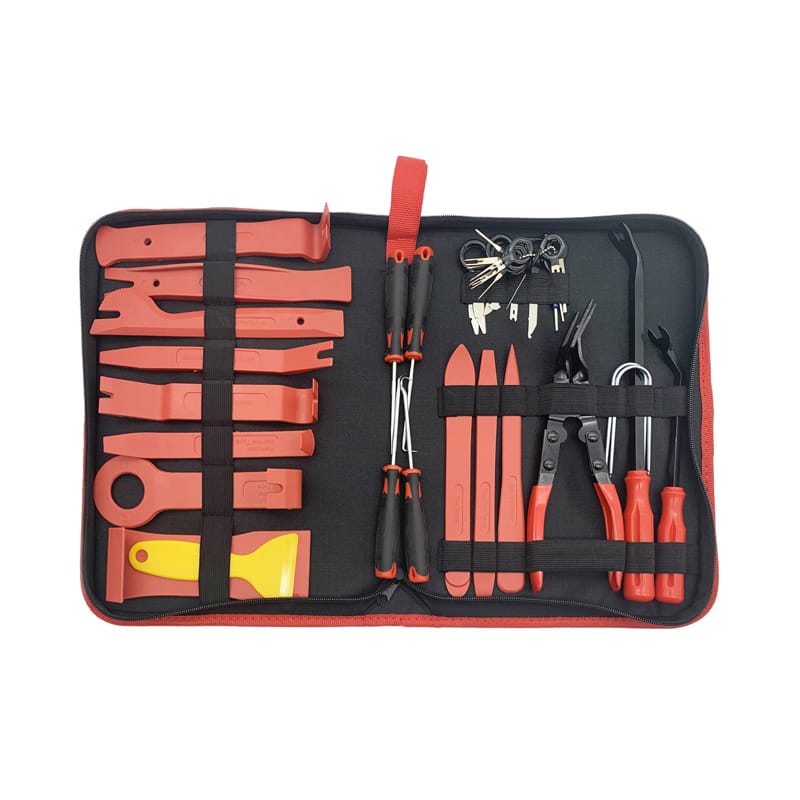
Werkzeuge zum Entfernen von Kunststoffverkleidungen eignen sich gut für OEM- und Private-Label-Programme, da Werkzeuggeometrie, Farbe, Bausatzstruktur, Lagerung, Verpackung und Branding unterschieden werden können.
Definieren Sie vor der Entwicklung eines maßgeschneiderten Sets den Zielkunden.
DIY Retail Set
Zu den Prioritäten können gehören:
- Einfache Werkzeugidentifikation
- Grundlegende Tür-Panel-Profile
- Kompakte Verpackung
- Klare Anweisungen
- Oberflächenschutznachrichten
Professionelles Workshop-Set
Zu den Prioritäten können gehören:
- Weitere Werkzeugformen
- Weitreichprofile
- Größere Materialkonsistenz
- Fähigkeit zur Clipentfernung
- Aufbewahrung für Koffer oder Beutel
- Zuverlässige Wiederholungsproduktion
Installationssatz für Auto-Audio und Zubehör
Nützliche Profile können sich auf Folgendes konzentrieren:
- Schmale Armaturenbrett-Einfassungen
- Lautsprecherabdeckungen
- Türverkleidungen
- Innenbeleuchtungsausstattung
- Kabelverlegung
Tür-, Fenster- und Glasvorbereitungsset
Nützlich Werkzeuge zum Entfernen von Kunststoffverkleidungen Kann sich konzentrieren auf:
- Türverkleidung
- Fensterformen
- Pfeilerbesatz
- Wetterstreifend
- Breitere Hebelprofile
- Gabelbefestigungswerkzeuge
Für B2 B-Programme sollte die Spezifikation Material, Werkzeuganzahl, Geometrie, Farbe, Logo-Position, Lagerung, Verpackung, Etikettierung, Anweisungssprache und Inspektionsanforderungen definieren, bevor die Massenproduktion beginnt.
FAQ
Wofür werden Werkzeuge zum Entfernen von Kunststoffbesätzen verwendet?
Werkzeuge zum Entfernen von Kunststoffverkleidungen Werden zum Trennen oder Entfernen von Türverkleidungen, Armaturenbrettverkleidungen, Zierleisten, Fensterverkleidungen, Polsterverkleidungen, Audioeinfassungen, Clips und anderen Innen- oder Außenverkleidungskomponenten für Kraftfahrzeuge verwendet.
Sind Werkzeuge zum Entfernen von Kunststoffbesätzen besser als Schraubenzieher?
Für die Automobilverkleidung sind sie in der Regel die bessere erste Wahl, da ihr Material und ihre breiteren Kontaktflächen das Risiko konzentrierter Kratzer und Druckspuren verringern.
Ist Nylon besser als PP?
Keines der beiden Materialien ist immer besser.
Nylon sorgt oft für eine höhere Steifigkeit und Verschleißfestigkeit, während PP bei bestimmten Designs für mehr Flexibilität sorgen kann.
Werkzeuggeometrie und Materialqualität spielen ebenso eine Rolle wie der Polymertyp.
Können Werkzeuge zum Entfernen von Kunststoffbesätzen hartnäckige Klammern entfernen?
Sie können viele gängige Kunststoffklammern entfernen, insbesondere wenn ein Gabelprofil richtig sitzt.
Sehr enge, metallische oder tief sitzende Befestigungselemente erfordern möglicherweise einen speziellen Metallclip-Entferner.
Kratzen Werkzeuge zum Entfernen von Kunststoffverkleidungen an der Innenausstattung von Autos?
Sie sind so konzipiert, dass sie das Kratzrisiko verringern, aber kein Werkzeug ist vollständig schadensicher.
Schmutzige Oberflächen, beschädigte Werkzeugkanten, falsche Winkel und übermäßige Kraft können immer noch Spuren hinterlassen.
Wie viele Werkzeuge sollte ein Profi-Kit enthalten?
Es gibt keine ideale Zahl.
Ein professionelles Set sollte wirklich unterschiedliche Profile wie schmale, breite, gabelförmige, abgewinkelte, weit reichende und Zugwerkzeuge anstelle vieler wiederholter Formen enthalten.
Was sollten Händler testen, bevor sie eine Großbestellung aufgeben?
Käufer sollten bewerten:
- Material
- Kantenabschluss
- Flex-wiederherstellung
- Spitzengeometrie
- Formqualität
- Maßkonsistenz
- Farbkonsistenz
- Verpackung
- Wiederholte Leistung
Können Werkzeuge zum Entfernen von Kunststoffbesätzen individuell angepasst werden?
Abhängig von der Fertigungsfähigkeit kann die Anpassung Folgendes umfassen:
- Werkzeugfarbe
- Logo
- Bausatzkombination
- Aufbewahrungsetui oder Beutel
- Einzelhandelsverpackung
- Etiketten
- Barcode
- Unterrichtsmaterialien
Sind Werkzeuge zum Entfernen von Kunststoffverkleidungen für Fenster- und Windschutzscheibenverkleidungen geeignet?
Ja.
Ausgewählte Profile können einen kontrollierten Zugang rund um Fensterverkleidungen und -formen ermöglichen.
Der Techniker sollte dennoch erkennen, wie das Formteil erhalten bleibt, bevor er Hebelwirkung ausübt.
Schlussfolgerung
Werkzeuge zum Entfernen von Kunststoffverkleidungen Sind einfache Produkte, aber ihre Leistung hängt von Details ab, die leicht zu übersehen sind: Polymerwahl, Kantenbeschaffenheit, Spitzendicke, Gabelbreite, Hebelwinkel, Biegewiederherstellung und Anpassung der Werkzeugform an die Arbeit.
Für Techniker ist der sicherste Ansatz in der Regel von Anfang an Werkzeuge zum Entfernen von Kunststoffverkleidungen Wenn fertige Oberflächen empfindlich sind, erzeugen Sie einen kontrollierten Spalt, identifizieren Sie das Befestigungselement und wechseln Sie nur dann zu einem stärkeren Metallentferner, wenn der Clip dies tatsächlich erfordert.
Für Werkstätten ist ein kleinerer Satz wirklich unterschiedlicher Profile nützlicher als eine große Sammlung wiederholter Formen.
Für Händler und Private-Label-Käufer sollte die Qualität anhand der Materialkonsistenz, der Formkontrolle, der Maßgenauigkeit, der Oberflächenbearbeitung an der Arbeitskante, der Ergonomie und der Prüfung bei wiederholter Verwendung bewertet werden, anstatt vage Behauptungen wie “professionelle Qualität”oder “schwere Pflicht” zu formulieren.”
Fengjie bietet mehrere relevante Produkte an, darunter die 4 Stück Kunststoff Auto Auto-Tür-Panel-Trimmung-Entfernungswerkzeuge Kit Set, 5-teiliges Werkzeugset zum Entfernen von Trimmbefestigungen und Formteilen, und 6-teiliges Trimm- und Polsterset.
Käufer können auch das weitere erkunden Karosserie- und Innenwerkzeuge Bereich oder Kontakt Fengjie Tools Großhandel, OEM, Private-Label-Verpackung und kundenspezifische Informationen besprechen Werkzeuge zum Entfernen von Kunststoffverkleidungen Für Kfz-Reparatur- und Installationsmärkte.