
An automotive scraper tool looks simple, but choosing the wrong one can make a small repair job slower, messier, and more expensive to correct. A scraper that is too aggressive can mark painted panels. A blade that is too soft may waste time on old gasket material. A handle that feels comfortable for one quick task may become tiring when used all day in a repair shop.
That is why professional buyers should not choose scraper tools by shape alone. The better approach is to start with the surface, the material being removed, and the working environment.
For repair shops, distributors, tool brands, and automotive supply businesses, the right automotive scraper tool should do more than remove residue. It should help workers clean surfaces efficiently, reduce unnecessary damage risk, and perform consistently across repeated use. For B2B buyers, it also needs to support stable quality, practical packaging, and reliable supply.
This guide explains how to choose an automotive scraper tool from a real-use perspective, including gasket removal, adhesive cleaning, decal removal, glass work, painted surfaces, and OEM sourcing.
Table of Contents
Start with the Surface, Not the Tool
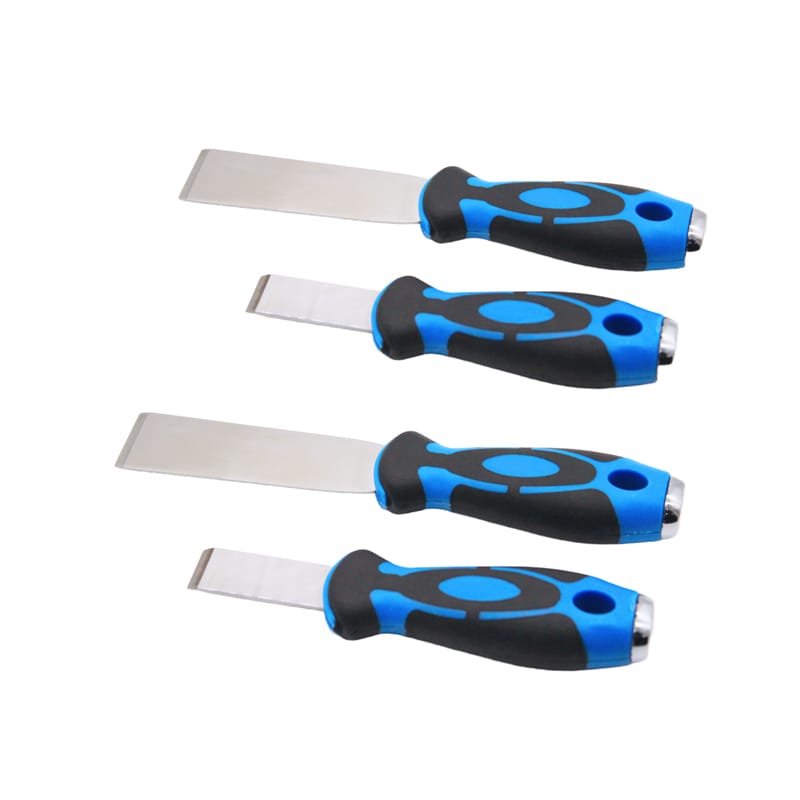
Many buyers compare scraper tools by material first: plastic, steel, carbon steel, stainless steel, or razor blade. That matters, but it is not the best starting point.
The first question should be:
What surface will the scraper touch?
A scraper used on painted body panels has a very different job from one used on an engine gasket surface. A tool used on glass has different requirements from one used around interior trim or plastic parts. When the surface is sensitive, the scraper needs controlled force and a safer edge. When the residue is hard and bonded to metal, the scraper needs strength, stability, and a durable blade.
For example, a plastic automotive scraper tool is usually better suited for delicate areas where surface marks are a concern. A metal gasket scraper may be more suitable for old gasket residue on metal parts. A razor blade scraper can be effective on flat glass, but it should be used with care and at the correct angle.
The best automotive scraper tool is not always the sharpest one. It is the one that matches the surface and the job.
Common Jobs That Need an Automotive Scraper Tool
Automotive scraper tools are used across many repair, cleaning, and preparation tasks. Understanding these tasks helps buyers choose the right scraper type or build a more useful scraper tool kit.
Old Gasket Removal
Old gasket material can become hard, brittle, sticky, or compressed onto the mating surface. During engine repair, oil pan service, intake work, water pump replacement, or other sealing jobs, the surface must be cleaned before a new gasket or sealant is applied.
A gasket scraper tool needs a stable edge and enough rigidity to remove residue without forcing the user to press too aggressively. For aluminum or softer surfaces, many users prefer plastic or carefully controlled scraper options to reduce the risk of gouging.
Useful related terms for this section include:
automotive gasket scraper tool, gasket removal tool, engine gasket scraper, old gasket scraper, gasket surface scraper
Adhesive and Glue Residue Removal
Cars often have adhesive residue from badges, decals, protective films, tapes, trim pieces, labels, or old accessories. The challenge is not only removing the residue, but doing it without damaging the nearby surface.
A scraper tool for automotive adhesive should be selected based on whether the surface is painted, glass, plastic, rubber, or metal. In many cases, a plastic scraper is preferred around painted panels, while a sharper tool may be used on glass or hard flat surfaces.
Useful related terms include:
automotive adhesive scraper tool, car adhesive remover scraper, decal removal scraper, sticker removal tool for cars, automotive glue scraper
Sticker and Decal Removal
Sticker removal is one of the most searched automotive scraper topics because it applies to both professional and consumer use. Window stickers, inspection labels, old decals, and body graphics can leave paper, film, or glue behind.
For glass, a razor blade scraper may work well when used properly. For painted areas, a non-marring scraper tool or plastic scraper is usually the safer option. The wrong scraper can turn a simple decal job into a surface correction problem.
Useful related terms include:
scraper tool for removing car decals, windshield sticker scraper, car decal removal tool, non scratch car scraper tool
Trim, Emblem, and Detail Work
Automotive trim areas often require a scraper with more control than force. Around emblems, molding, clips, panels, and decorative parts, the goal is to lift or clean without leaving marks.
This is where thin plastic scraper tools, nylon scraper tools, or flexible non-marring scrapers can be useful. For distributors and tool brands, these products also work well in small automotive repair kits because they solve frequent, low-risk cleaning problems.
Plastic, Metal, or Razor Blade: Which Type Should You Choose?
There is no single scraper material that fits every automotive task. Each type has a place.
| Scraper Type | Best For | Main Advantage | Main Limitation |
|---|---|---|---|
| Plastic scraper | Painted surfaces, trim, light adhesive | Lower scratch risk | Less effective on hard residue |
| Metal scraper | Gasket residue, metal surfaces, shop repair | Stronger scraping force | Can damage soft or painted surfaces |
| Razor blade scraper | Glass, labels, flat hard surfaces | Sharp, clean cutting edge | Requires careful angle and control |
| Non-marring scraper | Interior trim, paint-adjacent work, delicate surfaces | Surface protection | Not ideal for heavy removal |
| Replaceable blade scraper | High-frequency workshop use | Easy to maintain sharp edge | Needs compatible replacement blades |
A plastic automotive scraper tool is often chosen when the user wants to reduce visible surface damage. It is suitable for removing soft adhesive, tape residue, decals, trim residue, and light sealant around sensitive areas.
A metal automotive scraper tool is more suitable for tougher work. It can handle harder residue, old gasket material, carbon buildup, and surface preparation on stronger metal parts. However, users need better control because metal edges can dig into softer surfaces.
A razor blade automotive scraper tool is effective when the job requires a very sharp edge. It is commonly used on glass and flat surfaces, especially when removing stickers or film residue. It should not be treated as a universal scraper for every automotive surface.
For a professional scraper tool set, the best solution is often a combination: plastic scrapers for sensitive surfaces, metal gasket scrapers for harder residue, and razor blade scrapers for glass or precise cleaning.
The Surface Matching Method
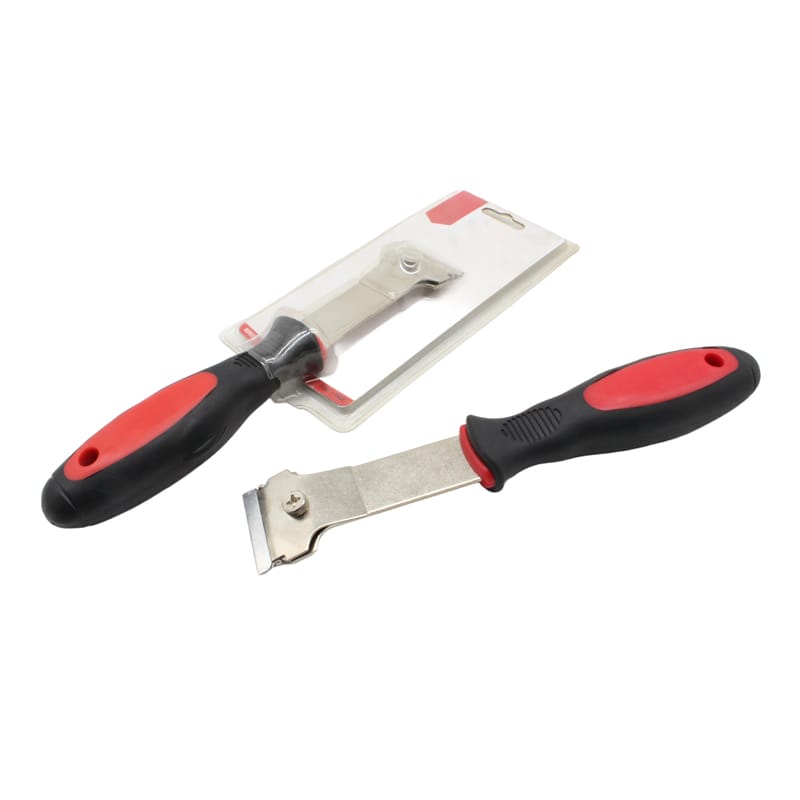
A simple way to choose the right automotive scraper tool is to match three things:
Surface hardness + residue hardness + damage tolerance
If the surface is soft and the residue is light, use a softer scraper.
If the surface is hard and the residue is heavy, use a stronger scraper.
If the surface is visible after the repair, choose a lower-risk tool first.
| Working Area | Typical Residue | Recommended Scraper Direction |
|---|---|---|
| Painted car panel | Sticker glue, tape residue | Plastic or non-marring scraper |
| Windshield or side glass | Stickers, labels, film adhesive | Razor blade scraper used carefully |
| Engine gasket surface | Old gasket, sealant, carbon | Gasket scraper or controlled metal scraper |
| Interior trim | Clip residue, tape, light adhesive | Thin plastic scraper |
| Wheel area | Adhesive from weights or accessories | Plastic scraper or stronger scraper depending on surface |
| Metal bracket or housing | Rust, sealant, old coating | Heavy-duty metal scraper |
This method is useful for both end users and B2B buyers. It also helps manufacturers design more practical scraper kits because each scraper in the set has a clear reason to exist.
What Makes a Professional Automotive Scraper Tool Better?
A professional scraper should not be judged by appearance alone. For workshop use, the details are what separate a useful tool from a disposable one.
Blade Material
Blade material affects edge retention, cutting feel, flexibility, and durability. Plastic blades are safer for sensitive surfaces but need enough hardness to work effectively. Metal blades should have stable strength and a clean edge. Razor blade scrapers should hold the blade securely and allow easy replacement.
For OEM automotive scraper tool programs, blade material should be selected according to the target market. A repair shop kit may need stronger blades. A detailing kit may need more plastic and non-marring options. A retail tool set may need a balanced mix.
Edge Design
A scraper edge should remove residue without forcing the user to overwork. If the edge is too dull, the user presses harder. If it is too sharp for the surface, it can cause damage. A well-designed edge improves control.
For gasket scraping, a flatter working angle helps reduce the risk of gouging. For adhesive removal, the edge should lift residue cleanly. For trim work, the edge should be thin enough to reach into narrow areas.
Handle Comfort
Handle design is easy to overlook, but it matters in repeated use. A comfortable grip allows better pressure control and reduces hand fatigue. An ergonomic automotive scraper tool should feel stable, not slippery or awkward.
For B2B buyers, handle quality also affects perceived product value. Even if the blade performs well, a weak or uncomfortable handle can make the tool feel low-grade.
Blade Locking and Replacement
Replaceable blade scraper tools are useful for workshops because they allow users to maintain a sharp edge without replacing the entire tool. However, the blade holder must be secure. A loose blade can reduce control and create safety concerns.
For scraper tool manufacturers, this is an important quality point. The blade system should be easy to use, but not loose or unstable during work.
Mistakes to Avoid When Using Scraper Tools
Even a good automotive scraper tool can cause poor results if used incorrectly. These are the mistakes that buyers and users should avoid.
The first mistake is using one scraper for every surface. A metal scraper that works well on a heavy gasket job may be too aggressive for painted panels or soft aluminum. A plastic scraper that is safe for trim may be too weak for hardened sealant.
The second mistake is using too steep of an angle. A steep angle increases the chance of digging into the surface. A lower, flatter angle gives better control in many scraping tasks.
The third mistake is using a dull blade. A dull scraper can be more frustrating than a sharp one because it requires more force. More force means less control.
The fourth mistake is ignoring surface preparation. Some adhesive or gasket residue may be easier to remove after softening or cleaning. Scraping should be part of the process, not always the only step.
The fifth mistake is buying scraper tools without considering replacement, packaging, or consistency. For distributors and tool brands, a product that performs well once but varies from batch to batch can create customer complaints.
Choosing a Scraper Tool Set for Repair Shops
A single scraper may solve one job, but a scraper tool set is often more practical for professional repair environments.
A useful automotive scraper tool kit may include:
plastic scraper tools for delicate surfaces
metal gasket scrapers for tougher residue
razor blade scrapers for glass and flat surfaces
replacement blades for repeated use
different blade widths for narrow and wide areas
comfortable handles for better control
The goal is not to add more tools for the sake of quantity. The goal is to cover different repair scenarios without forcing the user to improvise.
For repair shops, a mixed scraper kit saves time because the technician can select the right scraper quickly. For distributors, a well-designed kit can serve a wider customer base. For tool brands, scraper sets also provide more room for private label packaging and product differentiation.
What B2B Buyers Should Check Before Ordering
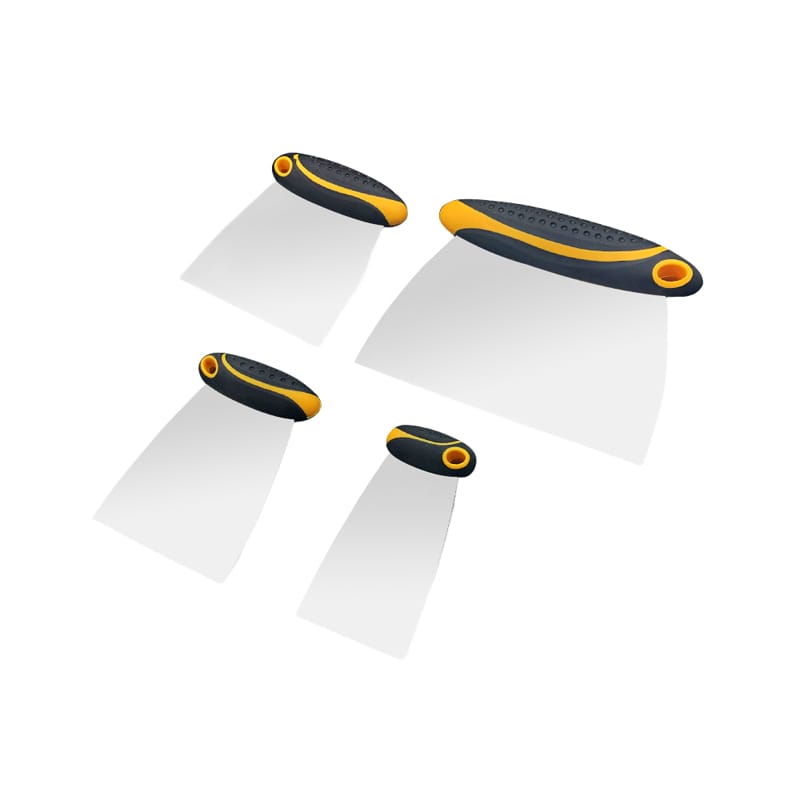
For a professional buyer, choosing an automotive scraper tool is not only a product decision. It is a sourcing decision.
Before ordering in bulk, buyers should check the following points:
| Buying Point | Why It Matters |
|---|---|
| Material consistency | Reduces performance variation between batches |
| Blade fit | Important for replaceable blade models |
| Handle strength | Affects durability and user confidence |
| Edge quality | Determines scraping efficiency and control |
| Packaging options | Supports retail, wholesale, and private label sales |
| Product range | Helps build complete scraper tool kits |
| Quality inspection | Reduces defects before shipment |
| Customization ability | Supports brand positioning and market needs |
If you are sourcing from an automotive scraper tool manufacturer, ask whether the product can be adjusted for your target customers. A distributor may need durable packaging and broad application coverage. A tool brand may need custom colors, logo printing, and private label packaging. A workshop supply company may care more about strength, comfort, and repeated use.
A good supplier should understand these differences.
OEM and Custom Automotive Scraper Tool Options
For manufacturing buyers, customization is often where the product becomes more valuable.
Custom Handle Design
The handle can be adjusted by length, shape, grip pattern, material, and color. A longer handle may provide better reach and leverage. A compact handle may work better in tight spaces. A textured grip can improve control in workshop environments.
For private label customers, handle color and logo placement also help create product recognition.
Blade Width and Material Options
Different markets may prefer different scraper sizes. Wide scrapers are useful for larger flat areas, while narrow scrapers help in corners or tight working spaces. Plastic, metal, and razor blade options can be combined into one tool line.
For OEM automotive scraper tool programs, blade selection should match the customer’s sales channel and end-use scenarios.
Packaging for Wholesale and Retail
Packaging can be customized for bulk supply, retail display, online sales, or professional tool kits. Clear packaging information helps users understand where each scraper should be used, which can reduce misuse and improve customer satisfaction.
Product Set Development
A manufacturer can help buyers develop a full scraper product line instead of only selling one model. This may include individual tools, small sets, professional workshop kits, and replacement blade packs.
For B2B buyers, this approach makes the product easier to position in the market.
Why Work Directly with an Automotive Scraper Tool Manufacturer?
Working with a direct manufacturer can be more practical for buyers who need stable supply, product consistency, and customization.
A manufacturer can control material selection, mold design, handle structure, blade fit, packaging, and inspection standards. This matters because scraper tools are simple in appearance but very sensitive in actual use. A small change in edge quality, blade thickness, or handle strength can affect the entire user experience.
Direct manufacturing support is especially useful for:
tool distributors
automotive repair supply companies
private label tool brands
wholesale buyers
professional workshop suppliers
retail tool programs
custom scraper tool projects
Instead of choosing a generic product, buyers can develop a scraper tool that fits their market. That may include a non-marring scraper for detailing customers, a heavy-duty gasket scraper for repair shops, or a complete automotive scraper tool set for general workshop use.
How to Build a Better Product Page from This Topic
For SEO, this blog should not work alone. It should support your product page.
A good internal link structure could look like this:
This blog explains how to choose the right automotive scraper tool.
The product page shows your actual scraper tool range.
The category page groups plastic, metal, gasket, razor blade, and scraper kit options.
The contact page invites OEM, wholesale, and private label inquiries.
The blog can naturally link to product pages using anchor text such as:
automotive scraper tool
custom automotive scraper tool
automotive gasket scraper tool
plastic automotive scraper tool
automotive scraper tool manufacturer
OEM automotive scraper tool
This creates a stronger topical connection for search engines and helps readers move from learning to inquiry.
Practical Selection Checklist
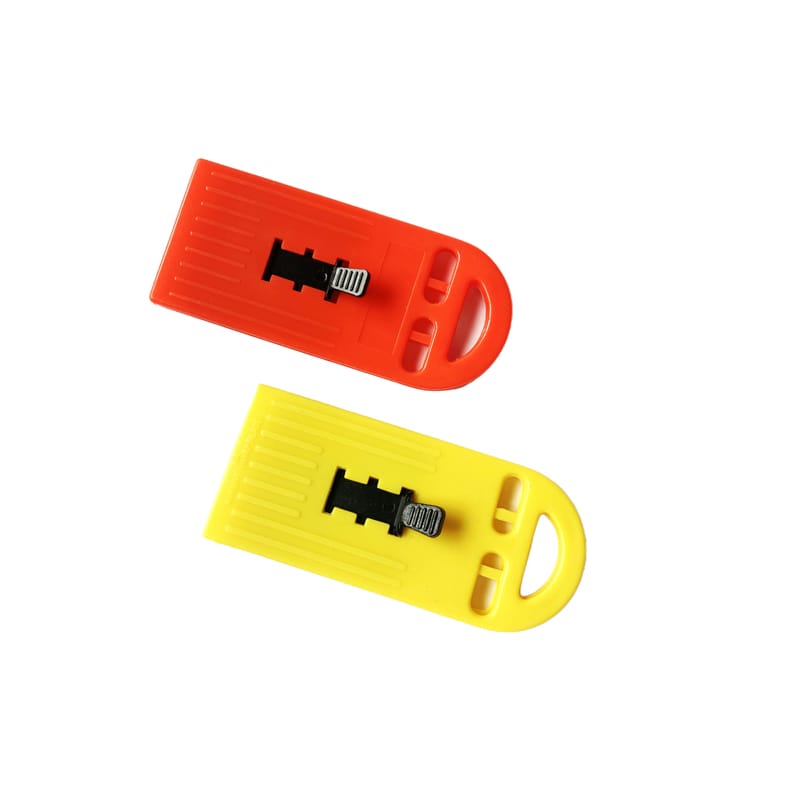
Before choosing or sourcing an automotive scraper tool, use this checklist:
Is the scraper designed for the surface it will touch?
Is the blade material suitable for the residue being removed?
Does the handle provide enough control for repeated use?
Is the edge sharp enough without being too aggressive?
Are replacement blades available if needed?
Can the tool be included in a scraper tool set?
Is the packaging suitable for the target market?
Can the supplier support OEM or private label requirements?
Is quality consistent across bulk orders?
Does the product solve a real repair problem, not just look good in photos?
This checklist is especially helpful for buyers comparing several scraper tool suppliers. It shifts the decision from “which tool looks similar” to “which tool performs better for the intended job.”
Conclusion
Choosing the right automotive scraper tool starts with understanding the job. A plastic scraper is often preferred for delicate surfaces and adhesive removal. A metal gasket scraper is better suited for tougher residue on stronger surfaces. A razor blade scraper can work well on glass and flat areas when used with control. For professional users, a complete scraper tool set is often more useful than a single tool.
For B2B buyers, the decision should also include material consistency, handle design, blade quality, packaging, OEM options, and supplier reliability. A scraper tool may be small, but it is used in tasks where control, safety, and surface protection matter.
As an automotive scraper tool manufacturer, we support custom scraper designs, different blade materials, handle options, scraper tool kits, private label packaging, and wholesale supply for professional markets. Whether you need a plastic automotive scraper tool, gasket scraper tool, razor blade scraper, or custom automotive scraper tool set, working with a direct manufacturer can help make your product sourcing more stable and efficient.
FAQ
What is an automotive scraper tool used for?
An automotive scraper tool is used to remove old gasket material, adhesive residue, stickers, decals, sealant, and surface buildup during vehicle repair and maintenance.
Which automotive scraper tool is best for painted surfaces?
A plastic or non-marring automotive scraper tool is usually better for painted surfaces because it helps reduce the risk of scratches during adhesive or decal removal.
Can a metal scraper tool be used for gasket removal?
Yes. A metal automotive gasket scraper tool is commonly used to remove old gasket residue from metal surfaces, but it should be used carefully to avoid surface damage.
Why choose an automotive scraper tool set instead of one scraper?
An automotive scraper tool set gives users different scraper types for different jobs, such as gasket removal, glass cleaning, adhesive removal, and trim work.
Can automotive scraper tools be customized for wholesale buyers?
Yes. As a manufacturer, automotive scraper tools can be customized with different blade materials, handle designs, colors, packaging, logos, and OEM requirements.