
Los interiores de los automóviles actuales se construyen alrededor de paneles ajustados con precisión, sujetadores ocultos y sistemas de clips livianos. Lo que solía ser un trabajo de desmontaje sencillo se ha convertido en un proceso que requiere control, paciencia y las herramientas adecuadas.
En la mayoría de los talleres, la diferencia entre un desmontaje limpio y un panel dañado a menudo se reduce a una cosa: si es correcto herramientas para quitar clips son usados.
Desde el punto de vista de la fabricación, estas herramientas no son sólo accesorios: son parte del sistema de flujo de trabajo que protege los componentes, mejora la eficiencia y reduce los retrabajos innecesarios durante la reparación y el mantenimiento de automóviles.
Tabla de contenidos
Por qué los conjuntos basados en clips cambiaron la forma en que funciona la reparación de vehículos
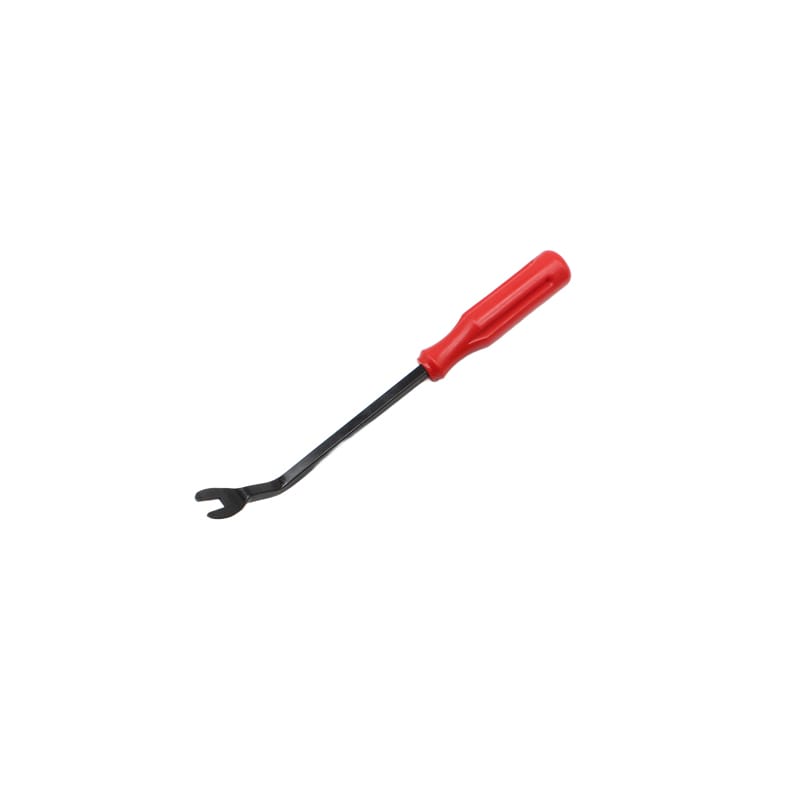
Los vehículos modernos dependen en gran medida de estructuras a presión en lugar de tornillos o pernos visibles. Esta elección de diseño mejora la estética y reduce el tiempo de montaje durante la producción, pero también introduce un desafío para los técnicos.
Una vez que los paneles se colocan en su lugar, la eliminación se vuelve menos forzada y más controlada.
En la práctica, esto significa:
- Los paneles interiores ya no se pueden “quitar a mano” de forma segura
- Los clips ocultos requieren puntos de apalancamiento precisos
- Las superficies de las molduras son más sensibles a la presión y al rayado
- El reensamblaje depende de que la integridad del clip permanezca intacta
Este cambio es exactamente lo que llevó a la adopción generalizada de herramientas dedicadas para quitar clips en entornos automotrices profesionales.
Dentro de un profesional Herramienta de eliminación de clips Conjunto (Lo que realmente importa en uso)
No todas las herramientas de esta categoría están diseñadas de la misma manera y los técnicos experimentados suelen reconocerlo después de algunos trabajos.
Un conjunto funcional normalmente incluye diferentes perfiles, cada uno de los cuales cumple una condición de eliminación específica:
Herramientas de apalancamiento plano para separación de paneles
Se utiliza cuando es necesario levantar el panel de manera uniforme sin doblar ni deformar el borde de la moldura.
Herramientas tipo cuña para acceso con clip ajustado
Están diseñados para deslizarse entre superficies donde el espacio libre es mínimo.
Herramientas de extracción reforzadas para clips resistentes
Cuando los clips han envejecido o se han apretado con el tiempo, se hace necesario un soporte estructural más fuerte.
Herramientas de perfil estrecho para áreas confinadas
Comúnmente se usa alrededor de tableros de instrumentos, ventilaciones y paneles de control interiores donde el espacio está restringido.
Lo más importante no es la cantidad de herramientas en un conjunto, sino si cada geometría resuelve un escenario de eliminación específico sin dañar los materiales circundantes.
Lo que separa las herramientas bien diseñadas de las alternativas genéricas
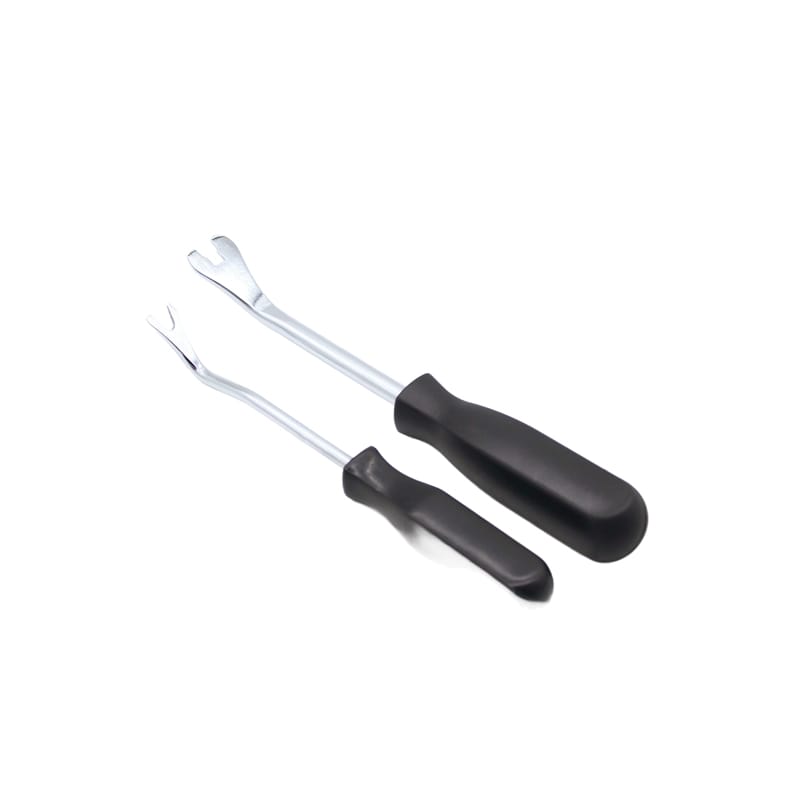
Desde el punto de vista de la fabricación, el rendimiento no está determinado por la apariencia o el embalaje, sino por cómo se comporta la herramienta bajo presión.
Una herramienta de eliminación de clips diseñada adecuadamente generalmente refleja tres principios básicos de diseño:
Flexibilidad controlada en lugar de rigidez
Una herramienta demasiado rígida tiende a transferir fuerza directamente a la superficie del clip o panel, aumentando el riesgo de grietas. La flexibilidad equilibrada permite un movimiento controlado sin fallas estructurales.
Diseño de borde seguro para contactos
La punta de trabajo tiene una forma que distribuye la fuerza en lugar de concentrarla. Esto reduce el marcado de la superficie, especialmente en molduras interiores suaves.
Estabilidad del agarre durante el apalancamiento
Cuando se aplica fuerza, incluso un ligero deslizamiento puede causar daños. La geometría del mango juega un papel directo en el mantenimiento del control durante la extracción.
En condiciones reales de taller, estos factores importan mucho más que las diferencias en el diseño visual.
Dónde Herramientas para quitar clips En realidad, haga una diferencia mensurable
El valor de estas herramientas queda claro en el uso diario repetido en lugar de en aplicaciones individuales.
En entornos de reparación de automóviles, se utilizan comúnmente para:
- Desmontaje y reinstalación de paneles de puertas
- Acceso al tablero durante reparaciones eléctricas o HVAC
- Eliminación de molduras interiores para modificación o inspección
- Liberación del clip del parachoques durante los trabajos de reparación exterior
- Acceso de sujetadores en zonas estructurales estrechas
En cada uno de estos escenarios, el objetivo no es sólo eliminar, sino mantener el estado original tanto del clip como del material circundante.
Una mirada más cercana a la prevención de daños durante la eliminación de molduras
La mayoría de los daños en el panel no ocurren durante la aplicación de fuerza obvia, sino durante pequeñas desalineaciones o posicionamiento incorrecto de la herramienta.
Probleme comune includ:
- Sangría del borde causada por un ángulo de inserción incorrecto
- Deformación del clip por apalancamiento desigual
- Rayones superficiales de puntos de contacto duros
- Grietas por tensión ocultas que aparecen durante el reensamblaje
El uso de herramientas dedicadas para quitar clips reduce estos riesgos porque la fuerza se distribuye y guía en lugar de aplicarse de manera impredecible.
Esta es también la razón por la que los técnicos profesionales rara vez dependen de herramientas improvisadas una vez que cambian a sistemas especialmente diseñados.
Herramientas de plástico versus herramientas reforzadas: cómo deciden los profesionales en la práctica
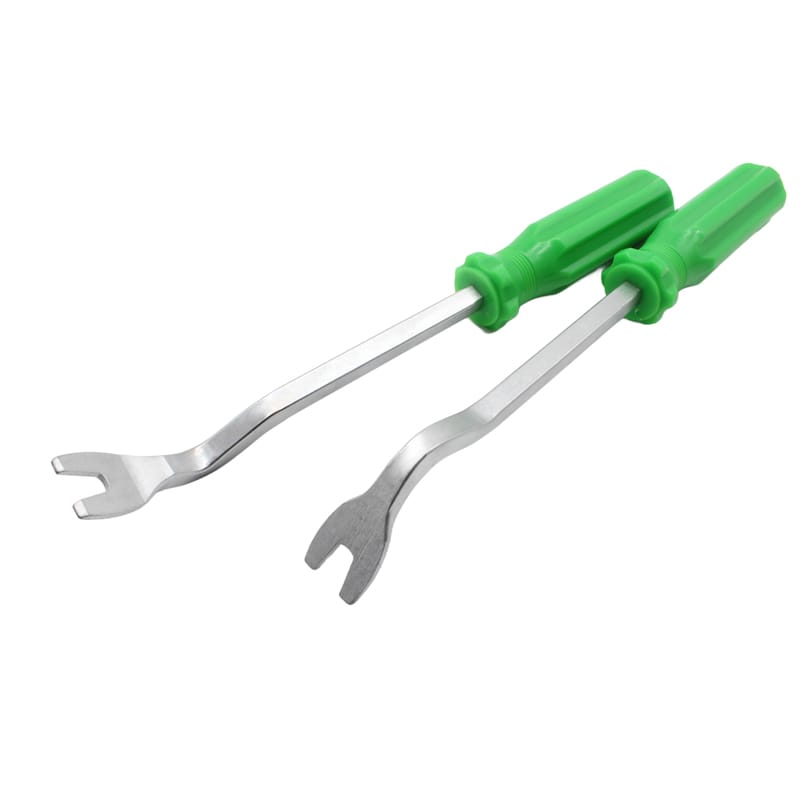
Aquí no existe una respuesta universal, porque diferentes entornos de reparación exigen un comportamiento diferente de las herramientas.
În utilizare generală:
Se prefieren las herramientas a base de plástico cuando:
- Trabajar en superficies interiores visibles
- Evitar daños cosméticos es una prioridad
- Los paneles son livianos o decorativos
Se prefieren las herramientas reforzadas cuando:
- Los clips están bien asegurados o envejecidos
- Los paneles estructurales requieren un mayor apalancamiento
- La eliminación repetida es parte del flujo de trabajo
En muchos talleres, ambos tipos se utilizan juntos en lugar de por separado. Este enfoque de combinación mejora la flexibilidad en diferentes modelos y condiciones de vehículos.
Consistencia de fabricación y por qué es importante en el uso en el mundo real
Un aspecto que a menudo se pasa por alto de las herramientas para quitar clips es la coherencia entre lotes.
En entornos profesionales, el comportamiento inconsistente de las herramientas conduce a:
- Respuesta de apalancamiento impredecible
- Mayores requisitos de formación para los técnicos
- Mayor riesgo de daños accidentales al panel
- Rendimiento desigual en tareas idénticas
Por esta razón, el control de fabricación juega un papel directo en la experiencia del usuario final. La composición estable del material y los procesos de conformado repetibles garantizan que cada herramienta funcione de la misma manera bajo carga.
Esto se vuelve especialmente importante para los distribuidores y las cadenas de suministro de talleres donde la uniformidad importa más que la variación de herramientas individuales.
Cómo encajan estas herramientas en los flujos de trabajo automotrices modernos
Herramientas para quitar clips ya no se tratan como accesorios opcionales. En la mayoría de las operaciones de reparación, forman parte de la configuración del flujo de trabajo estándar junto con las herramientas de diagnóstico y ensamblaje.
Un flujo de trabajo típico podría verse así:
- Identifique la estructura del panel y las posiciones de los clips
- Seleccione el perfil de herramienta apropiado según el espacio de acceso
- Aplicar apalancamiento controlado en puntos débiles estructurales
- Retire el panel sin tensar el borde circundante
- Inspeccione los clips para reutilizarlos o reemplazarlos
- Reinstale usando secuencia inversa
Este enfoque estructurado reduce la incertidumbre y mejora la repetibilidad entre los técnicos.
Donde se utilizan herramientas de extracción de clips más allá de la reparación de automóviles
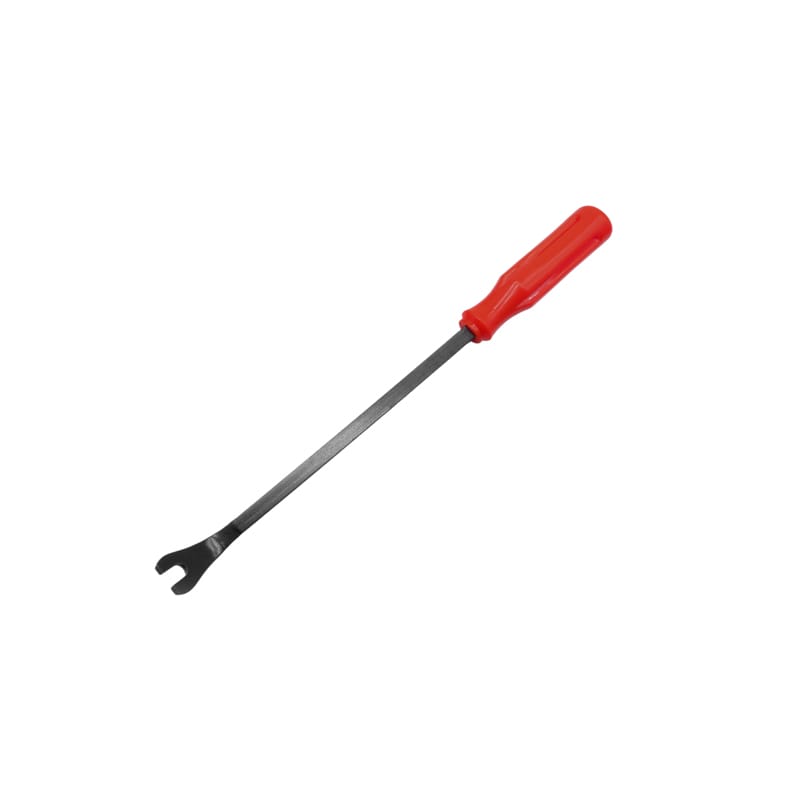
Aunque se asocian más comúnmente con vehículos, estas herramientas también se aplican en otras industrias basadas en ensamblaje donde se utilizan sistemas de ajuste a presión.
Los casos de uso típicos incluyen:
- Sistemas interiores modulares
- Mantenimiento de carcasas de electrodomésticos
- Servicio de paneles de equipos
- Sistemas de montaje de muebles estructurados
- Acceso a recinto industrial ligero
El factor común en todas estas aplicaciones es la necesidad de una separación no destructiva.
Pensamientos finales
Quitaclips herramientas se han convertido en una parte esencial de los entornos modernos de reparación y montaje porque resuelven un problema muy específico: cómo separar los componentes ajustados sin causar daños.
Desde el punto de vista de la fabricación, la eficacia de estas herramientas depende del comportamiento controlado del material, el diseño estructural y la ingeniería centrada en aplicaciones.
A medida que el diseño automotriz e industrial continúe avanzando hacia sistemas de ensamblaje más limpios basados en clips, la demanda de herramientas confiables para quitar molduras seguirá creciendo en los talleres, distribuidores y operaciones de mantenimiento.
Para los profesionales que trabajan en este campo, la selección de herramientas tiene menos que ver con las preferencias y más con mantener la coherencia, proteger los componentes y mejorar la eficiencia general del flujo de trabajo.
Preguntas frecuentes
¿para qué se utilizan las herramientas para quitar clips?
Las herramientas para quitar clips están diseñadas para quitar de forma segura clips y paneles de molduras de automóviles sin dañar superficies ni sujetadores. Se utilizan ampliamente en paneles de puertas, tableros de instrumentos, parachoques y desmontaje de molduras interiores.
¿pueden las herramientas quitaclips dañar los paneles del automóvil?
Cuando se usan correctamente, las herramientas para quitar clips minimizan el riesgo de daños. La mayoría de los problemas solo ocurren cuando se aplica un ángulo inadecuado o una fuerza excesiva durante la extracción.
¿cuál es la diferencia entre el quitaclips de plástico y el de metal herramientas?
Las herramientas de plástico se utilizan normalmente para molduras interiores y superficies delicadas para evitar rayones. Las herramientas metálicas son más adecuadas para clips ajustados, rebeldes o resistentes que requieren más palanca.
¿Necesito un kit completo de herramientas para quitar clips o solo una herramienta?
Generalmente se recomienda un kit completo porque diferentes tipos de clips y áreas de paneles requieren diferentes formas y tamaños de herramientas para una extracción segura y eficiente.
¿las herramientas quitaclips sólo se utilizan en la reparación de automóviles?
No. Si bien se utilizan principalmente en trabajos automotrices, también se aplican en el ensamblaje de muebles, reparación de electrodomésticos y otras industrias que utilizan sistemas de sujeción a presión o basados en clips.