
En el trabajo de producción de muebles y tapizados, hay momentos en los que la eficiencia depende de una herramienta muy sencilla que realice bien un trabajo muy específico. Un levantador de tachuelas es una de esas herramientas. No parece complicado, pero en condiciones reales de taller, a menudo decide si una superficie se conserva o daña, si un trabajo es rápido o frustrante y si los materiales viejos se pueden quitar limpiamente o no.
Esta guía desglosa el tema desde una perspectiva práctica de fabricación y uso en el campo: qué es la herramienta, dónde importa realmente y cómo los profesionales suelen evaluarla al elegir el equipo para el uso diario.
Tabla de contenidos
Introducción
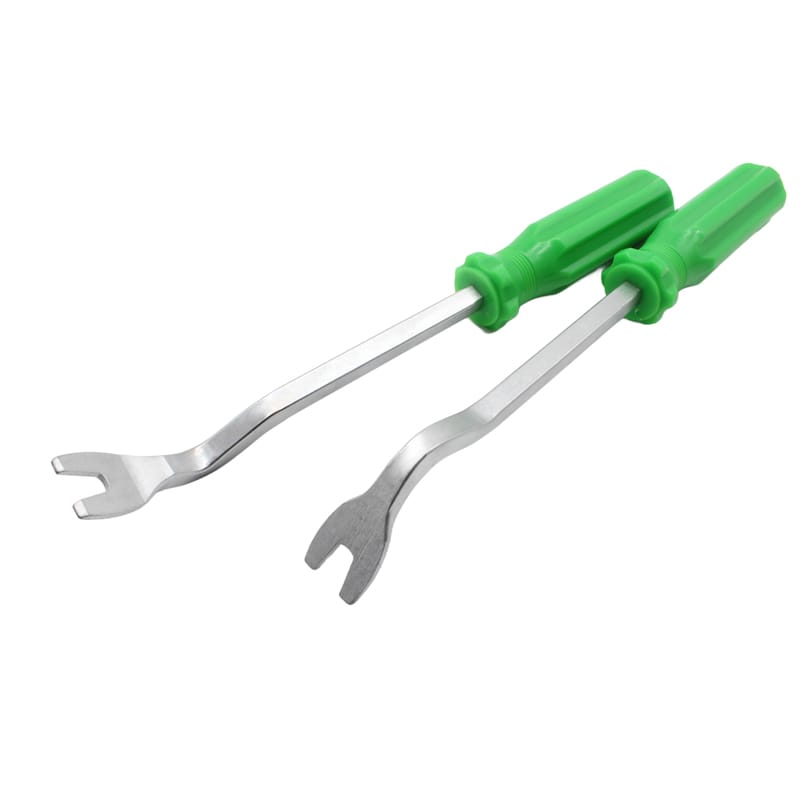
En entornos de producción reales, especialmente fábricas de muebles y talleres de tapicería, los trabajos de retirada son tan importantes como la instalación. A menudo es necesario quitar tachuelas, clavos y sujetadores viejos durante la reparación, el rediseño o el reemplazo de materiales.
A levantador de tachuelas está diseñado exactamente para este tipo de tarea. Se ubica entre herramientas manuales de precisión y herramientas de palanca ligeras, ofreciendo un apalancamiento controlado sin daños excesivos en la superficie. En talleres que se ocupan de muebles de madera, marcos tapizados o piezas de restauración, comúnmente se trata como una parte estándar del juego de herramientas manuales en lugar de un accesorio opcional.
Lo que lo hace útil no es la complejidad, sino el control. En lugar de forzar la extracción de sujetadores, funciona gradualmente, reduciendo la posibilidad de agrietar la madera o rasgar las capas de tela.
Qué hace realmente un levantador de tachuelas (en condiciones de uso reales)
Sobre el papel, la función es sencilla: quitar tachuelas. En la práctica, el trabajo consiste más en la extracción controlada.
Un levantador de viradas normalmente realiza tres acciones pequeñas pero importantes:
- Deslizándose debajo del cabezal del sujetador
- Creando un punto de apalancamiento contra la superficie
- Levantando gradualmente para liberar el agarre incrustado
Este movimiento controlado es importante en muebles más antiguos y estructuras de madera densa donde los sujetadores se han fijado durante años.
El diseño suele incluir un borde delgado de acero y un mango reforzado, lo que permite al usuario aplicar presión sin perder precisión. En comparación con las herramientas improvisadas, reduce el daño aleatorio a la superficie y mejora la repetibilidad en el trabajo de producción.
Dónde Levantador de tachuelas Las herramientas realmente se utilizan
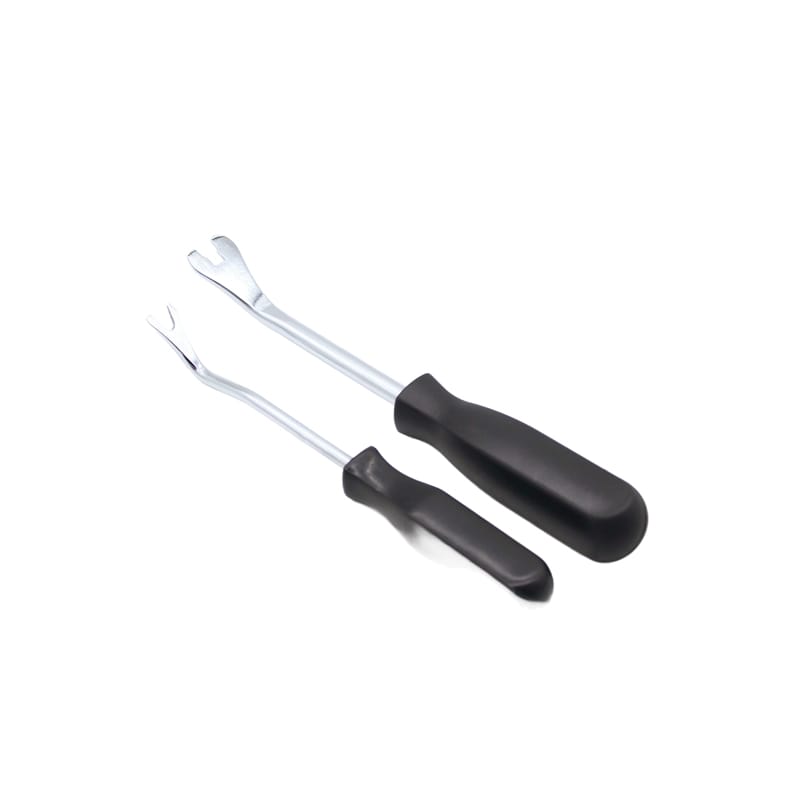
Aunque a menudo se asocia con tapizados, el uso es más amplio en entornos industriales.
Líneas de fabricación de muebles
Utilizado durante el retrabajo, ajuste y desmontaje de marcos ensamblados.
Talleres de tapicería
Imprescindible para sustituir capas de tela y quitar puntos de sujeción viejos.
Restauración de muebles
Común en la reparación de antigüedades donde la protección de la superficie importa más que la velocidad.
Eliminación de alfombras y pisos
Útil cuando se trata de tiras adhesivas o puntos de fijación incrustados.
Mantenimiento de carpintería
Se utiliza durante trabajos de reparación donde los sujetadores están parcialmente ocultos o profundamente incrustados.
Trabajos de desmontaje industrial
Ayuda a separar componentes sin dañar materiales reutilizables.
En muchos de estos casos, la herramienta tiene menos que ver con la comodidad y más con evitar la pérdida de material.
Diferentes estructuras de herramientas que verá comúnmente
Los elevadores de clavijas no son una herramienta estandarizada. Pequeñas diferencias de diseño cambian su comportamiento en el uso real.
Forma estándar
Versión de uso general utilizada en la mayoría de entornos de tapicería.
Estructura reforzada
Diseñado para uso industrial repetido donde la aplicación de fuerza es frecuente.
Versión de mango ergonómico
Centrado en reducir la tensión de las manos durante ciclos de trabajo largos.
Construcción de mango metálico
Se utiliza donde la durabilidad y la estabilidad importan más que el diseño liviano.
Tipo centrado en la precisión
Se utiliza para trabajos de restauración detallados donde el movimiento controlado es crítico.
Cada estructura refleja un entorno de trabajo diferente más que una función diferente.
Elevador de clavijas versus removedor de grapas en trabajos prácticos
En teoría, ambas herramientas quitan sujetadores. En la práctica, no son intercambiables en la mayoría de situaciones de taller.
Los quitagrapas suelen estar diseñados para sujetadores a nivel de superficie. Funcionan bien en materiales livianos pero tienen dificultades con tachuelas incrustadas más profundas.
Un elevador de virada, por otro lado, está diseñado para un apalancamiento más profundo. Funciona mejor en:
- Estructuras de muebles más antiguas
- Marcos de madera
- Proyectos de restauración con superficies frágiles
En entornos de producción, la diferencia no es teórica: afecta la calidad de la reparación y las tasas de pérdida de material.
Cómo suelen evaluar los profesionales a Levantador de tachuelas
Al seleccionar herramientas para uso diario, la mayoría de los usuarios experimentados no se centran únicamente en la apariencia o las especificaciones. En cambio, analizan el rendimiento bajo uso repetido.
Los puntos comunes de evaluación incluyen:
Estabilidad de la herramienta bajo presión
Un buen levantador de tachuelas no debe torcerse ni deslizarse durante el apalancamiento.
Control de bordes
La punta de trabajo debe entrar en espacios reducidos sin dañar el material circundante.
Manejar la respuesta
La estabilidad del agarre afecta la precisión, especialmente en trabajos repetitivos.
Comportamiento material a lo largo del tiempo
La calidad del acero y el tratamiento térmico influyen en el rendimiento de los bordes a largo plazo.
Facilidad de uso en espacios reducidos
Las juntas y esquinas de los muebles a menudo limitan el movimiento, lo que hace que el diseño compacto sea importante.
Estos factores importan más en entornos industriales que cualquier característica a nivel de superficie.
Problemas que ocurren comúnmente durante la eliminación de tachuelas
En condiciones reales de taller, la eliminación de adherencias no siempre es limpia o predecible.
Los sujetadores se rompen durante el levantamiento
A menudo es causado por aplicar fuerza demasiado rápido en lugar de un apalancamiento gradual.
Sangría superficial
Ocurre cuando se aplica presión sin una distribución adecuada del soporte.
Espacio de trabajo limitado
Algunas estructuras de muebles restringen el movimiento de las herramientas y el acceso en ángulo.
Cierres viejos incrustados en madera endurecida
Requiere elevación repetida controlada en lugar de eliminación con una sola fuerza.
Mal uso de la herramienta
El uso de herramientas generales en lugar de elevadores especialmente diseñados aumenta el riesgo de daños.
La mayoría de estos problemas no son fallas de herramientas, sino desajustes de técnica e idoneidad.
Por qué la calidad de fabricación importa más de lo que parece
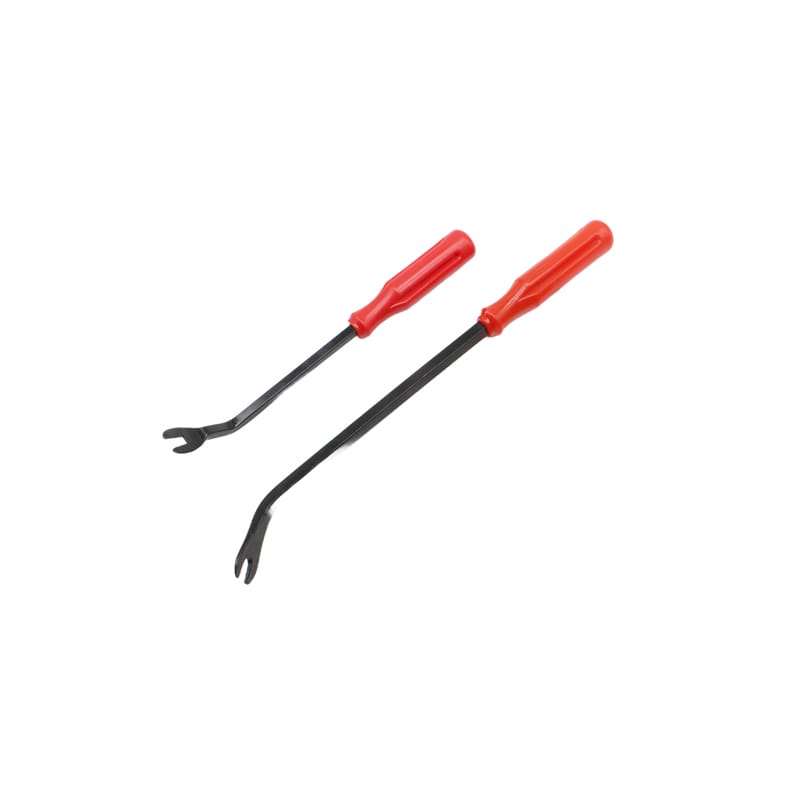
Desde el punto de vista de la producción, la diferencia entre una herramienta fiable y una media rara vez es visible a primera vista.
Suele provenir de:
- Consistencia en el procesamiento del acero y el tratamiento térmico
- Precisión en la forma de los bordes
- Tolerancia de montaje entre mango y hoja
- Resistencia a la deformación a largo plazo bajo carga repetida
En entornos de producción en masa, incluso pequeñas inconsistencias pueden generar diferencias de rendimiento entre lotes.
Esta es la razón por la que los compradores industriales suelen centrarse en la capacidad de fabricación y no únicamente en el diseño de superficies.
Por qué es importante el suministro de OEM en herramientas industriales
En las cadenas de suministro de producción de muebles, las herramientas suelen estar estandarizadas en múltiples estaciones de trabajo. Aquí es donde los OEM y la fabricación personalizada se vuelven relevantes.
Los requisitos típicos incluyen:
- Forma constante de la herramienta en todos los lotes de producción
- Diseños de asas adaptados para entornos de trabajo específicos
- Branding o identificación para logística interna
- Compatibilidad con los procesos de taller existentes
En lugar de cambiar los flujos de trabajo, la personalización OEM permite que las herramientas se adapten al flujo de trabajo en sí.
Hábitos de mantenimiento que prolongan la vida útil
Incluso las herramientas simples se benefician de prácticas de mantenimiento consistentes.
En entornos industriales, las rutinas comunes incluyen:
- Limpieza después de su uso para eliminar la acumulación de resina o polvo
- Manteniendo los bordes libres de deformaciones
- Almacenamiento de herramientas en espacios secos y organizados
- Inspección periódica de la integridad del mango
- Evitar el uso en materiales fuera del alcance previsto
Estos hábitos reducen los ciclos de reemplazo y mantienen un rendimiento estable en el tiempo.
Seleccionar un socio de fabricación para Levantador de tachuelas Herramientas
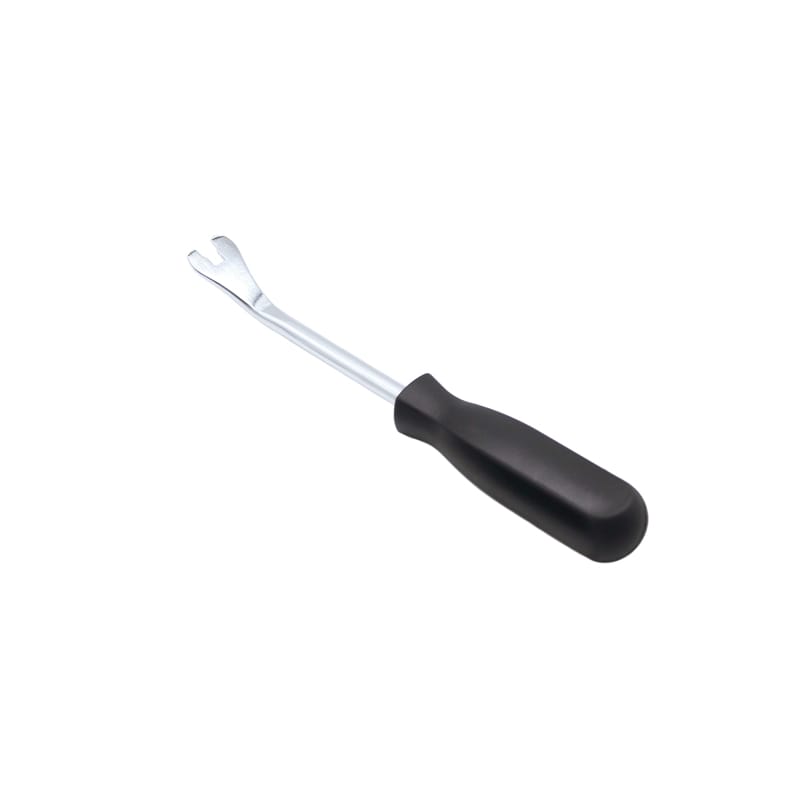
Para los compradores que obtienen a escala, la herramienta en sí es sólo una parte de la decisión. La coherencia de la producción detrás de esto importa más.
Las áreas clave de evaluación suelen incluir:
- Capacidad para mantener una calidad de producción estable
- Experiencia en fabricación de herramientas industriales
- Flexibilidad en las solicitudes de personalización
- Manejo de exportaciones y confiabilidad del embalaje
- Sistemas de control de calidad en todas las etapas de producción
En las cadenas de suministro globales, la coherencia a menudo supera la variación, especialmente para las herramientas utilizadas diariamente en entornos de producción.
Conclusión
Un levantador de tachuelas puede parecer una simple mano herramienta, pero en el trabajo de fabricación de muebles y tapizados, su función es mucho más práctica. Apoya el trabajo de eliminación controlada, protege las superficies de los materiales y mejora la eficiencia en entornos donde la precisión importa.
Desde tareas de reparación de talleres hasta líneas de producción a gran escala, su valor se define por la confiabilidad más que por la complejidad. Cuando se selecciona y fabrica adecuadamente según estándares consistentes, se convierte en una parte pequeña pero esencial de un flujo de trabajo de producción estable.
Para los usuarios industriales, la verdadera atención no está sólo en la herramienta en sí, sino también en su rendimiento repetido en condiciones reales de trabajo y en la consistencia con la que se puede suministrar cuando la producción depende de ella.
Preguntas frecuentes
¿para qué se utiliza un elevador de arreos?
Un elevador de tachuelas se utiliza para quitar tachuelas de tapicería, clavos pequeños y sujetadores incrustados de superficies de madera o muebles con palanca controlada y daño superficial mínimo.
¿se puede utilizar un elevador de tachuelas en todo tipo de muebles?
Es adecuado para la mayoría de muebles de madera, marcos tapizados y proyectos de restauración, especialmente cuando los sujetadores están profundamente incrustados o son de difícil acceso.
¿cuál es la diferencia entre a levantador de tachuelas ¿y un quitagrapas?
Un removedor de grapas está diseñado para grapas superficiales, mientras que un elevador de tachuelas está diseñado para sujetadores incrustados más profundos y proporciona un mayor apalancamiento para trabajos de restauración de muebles.
¿cómo se utiliza un elevador de tachuelas de forma segura?
Inserte el borde delgado debajo del cabezal de tachuela, aplique un apalancamiento constante con el mango y levántelo gradualmente para evitar dañar el material circundante.
¿qué se debe tener en cuenta al elegir un elevador de arreos?
Los factores clave incluyen la durabilidad del material, el diseño del mango, la eficiencia del apalancamiento y la idoneidad para las condiciones de uso industrial o de taller.