
Table of Contents
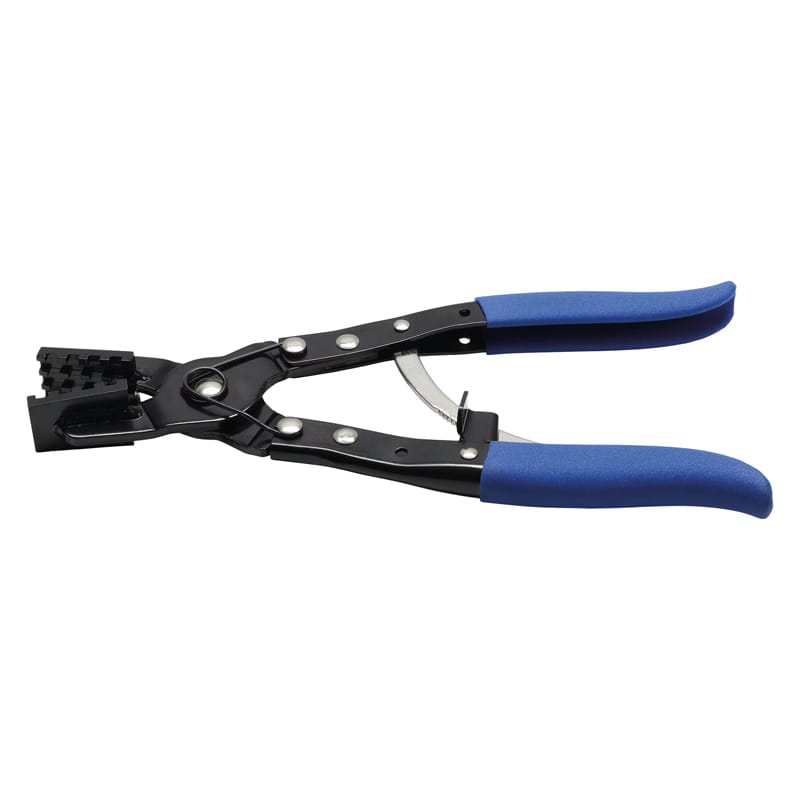
Why Hose Clamp Pliers Matter in Automotive Service
A dependable hose clamp pliers set can save technicians a surprising amount of time. Modern engine bays are crowded, and many hose clamps sit behind intake parts, coolant lines, fuel line covers, or other components that limit hand access. When a workshop relies on ordinary pliers, the technician often fights the clamp instead of controlling it. That leads to slower repair work, scratched parts, and inconsistent results.
For repair shops, distributors, and OEM tool brands, hose clamp pliers should be treated as a core automotive service tool rather than a small accessory. The right tool helps technicians release spring clamps, hold them open, reach angled hose positions, and work around tight spaces without damaging nearby parts. A good buying decision starts with the type of clamp the user services most often.
This guide explains how to choose hose clamp pliers for professional automotive work. It covers jaw style, reach, locking function, handle comfort, kit planning, and how tool distributors can build a more practical pliers range for workshop customers.
Understand the Clamp Types Your Customers Handle
The first step is identifying the clamp types common in the target market. Spring hose clamps, flat band clamps, Clic-R style collars, ear-type boot clamps, and fuel line clamps all require different jaw shapes and working methods. A single pair of hose clamp pliers can be useful, but a workshop that services many vehicles may need a broader selection.
For background on the general function of clamps, readers can review the overview of a hose clamp. In automotive service, the purpose is simple: hold a hose securely while allowing technicians to remove or reinstall it when maintenance is required. The challenge is access. Many clamps are reusable, but they must be opened evenly and controlled carefully.
Fengjie lists several related options, including 11 inch Curved Hose Clamp Pliers, 9PCS Hose clamp pliers, and other automotive pliers. This makes it easier for buyers to select one tool for a specific job or build a kit for wider coverage.
Match Jaw Design to the Job
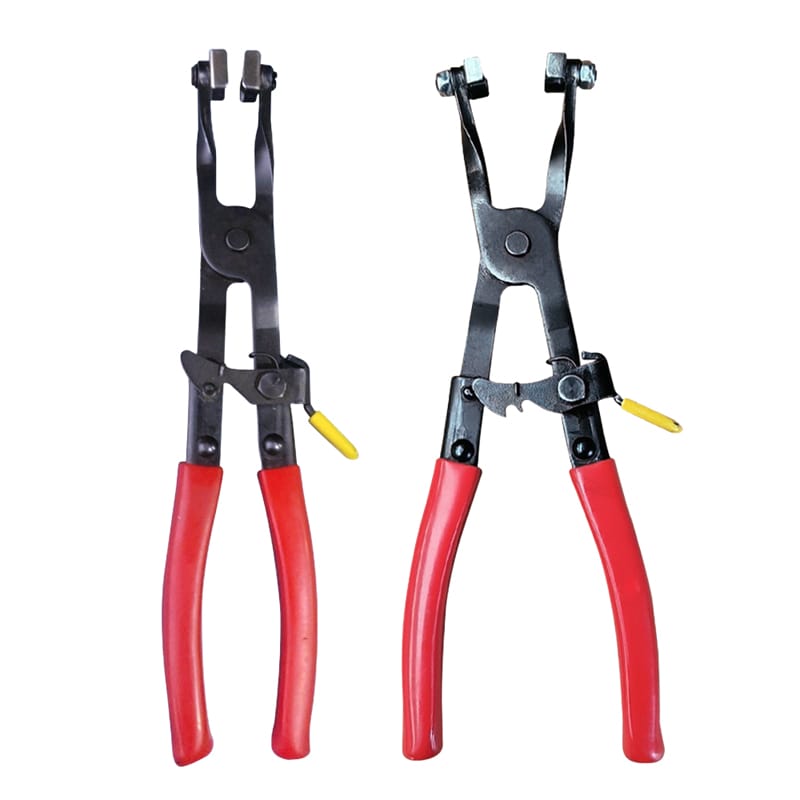
Jaw design is the working heart of hose clamp pliers. Straight jaws are useful when access is open and the clamp ears are easy to reach. Curved jaws help when the clamp is behind a hose bend, near a housing, or close to the firewall. Cross-slotted or specialty jaws can give better contact with certain clamp shapes.
A professional buyer should check whether the jaws grip the clamp securely without slipping sideways. The pliers should compress the clamp smoothly and keep the force centered. If the jaw surface is too shallow or poorly shaped, the clamp may twist during removal. That can damage the clamp or make the job unsafe for the technician.
When testing samples, use the hose clamp pliers on several clamp sizes rather than only one. A tool that works on a small clamp may not hold a larger spring clamp as well. For distributors, this sample test is more useful than judging by catalog photos alone.
Consider Reach, Cable Operation, and Locking Function
Reach is one of the biggest reasons workshops buy dedicated hose clamp pliers. A longer tool can reach clamps behind engine accessories, while a flexible cable type may help in positions where a rigid handle cannot fit. Locking function is another useful feature because it can hold the clamp open while the technician moves the hose.
However, more reach is not always better. A long tool needs stable control, and a flexible cable mechanism must feel smooth enough for repeated workshop use. If the cable binds or the lock releases too easily, the tool can frustrate users. Buyers should compare the feel of the mechanism, not just the stated length.
General hand tool safety is still important. The U.S. Occupational Safety and Health Administration provides broad guidance on hand and power tools. For automotive buyers, the practical point is to choose tools that reduce slipping, awkward posture, and uncontrolled force.
Build a Practical Hose Service Tool Range
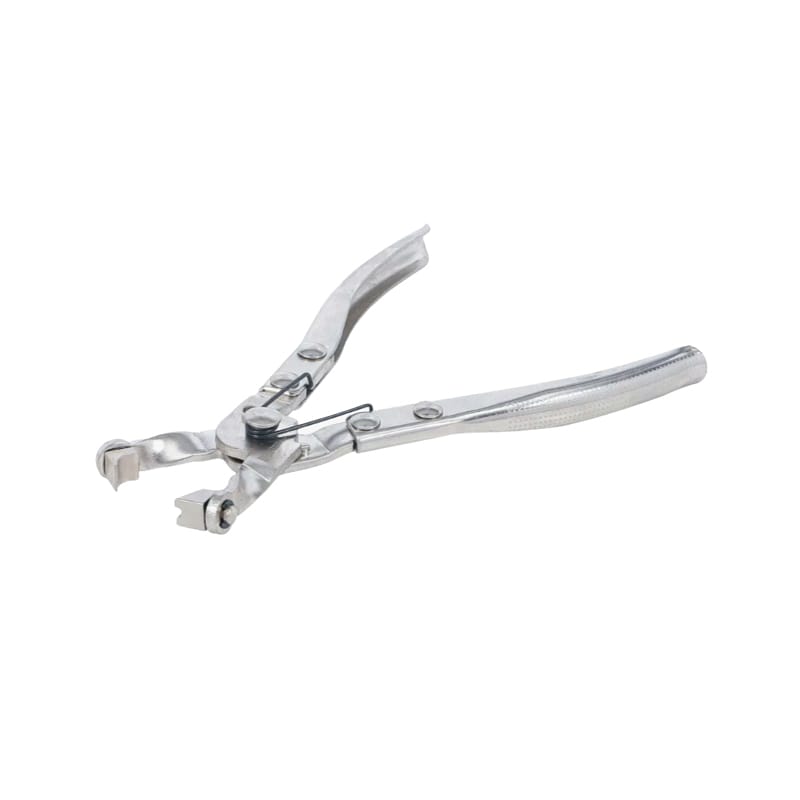
For tool distributors, hose clamp pliers work best as part of a hose and line service range. A basic assortment may include curved hose clamp pliers, swivel jaw pliers, fuel line pliers, hose removal hooks, and related brake or cooling system tools. This creates a clearer product story for workshops than offering one isolated SKU.
Fengjie also supplies related items such as Fuel Line Pliers and products in the Pliers category. Buyers planning a private-label program can combine these with Brake Tools or broader Vehicles Tools to create a more complete workshop offering.
| Buyer goal | Recommended product mix | Reason |
|---|---|---|
| Small repair counter | Curved hose clamp pliers and fuel line pliers | Covers common maintenance jobs |
| Professional workshop range | Multi-piece hose clamp pliers set | Handles more clamp styles and tight access |
| OEM tool brand | Custom assortment with packaging | Supports private label and catalog planning |
Quality Checks Before Bulk Ordering
Before placing a bulk order, check the hinge movement, jaw alignment, handle grip, surface finish, and locking mechanism. The hose clamp pliers should open and close smoothly without excessive looseness. Handles should be comfortable enough for repeated use, especially when the technician is working in an awkward engine bay position.
Automotive hoses appear in cooling, fuel, intake, and emission-related systems. Readers who want broader technical context can review general information on the internal combustion engine and the safety role of vehicle systems through the NHTSA brakes resource page. A tool used around these systems should be controlled, durable, and easy to identify in the tool drawer.
Packaging also matters for distributors. A set with clear product names, visible sizes, and secure tray positions is easier to sell and easier for end users to maintain. For OEM projects, confirm logo placement, instruction sheet requirements, carton strength, and whether the supplier can support repeat orders with consistent specifications.
Final Buying Checklist
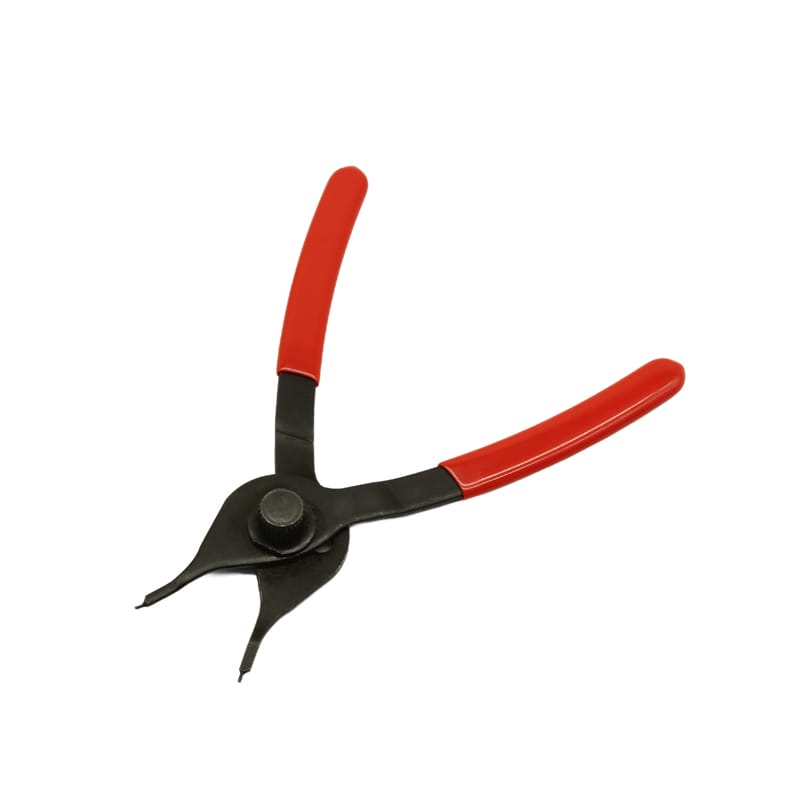
A strong hose clamp pliers selection should answer six questions: What clamp types are common in the market? Is the jaw shape suitable? Does the tool reach tight areas? Is the locking action reliable? Does the handle feel comfortable? Can the supplier support repeat orders and packaging needs?
For workshops, the right hose clamp pliers reduce wasted time during hose removal and installation. For distributors, they are a practical addition to automotive pliers and line service categories. Fengjie can help buyers compare single tools, multi-piece sets, and OEM configurations for different market needs.
Explore Fengjie automotive pliers, review the Hose Clamp Pliers product page, or contact us to discuss wholesale or OEM tool requirements.