
Table of Contents
Introduction
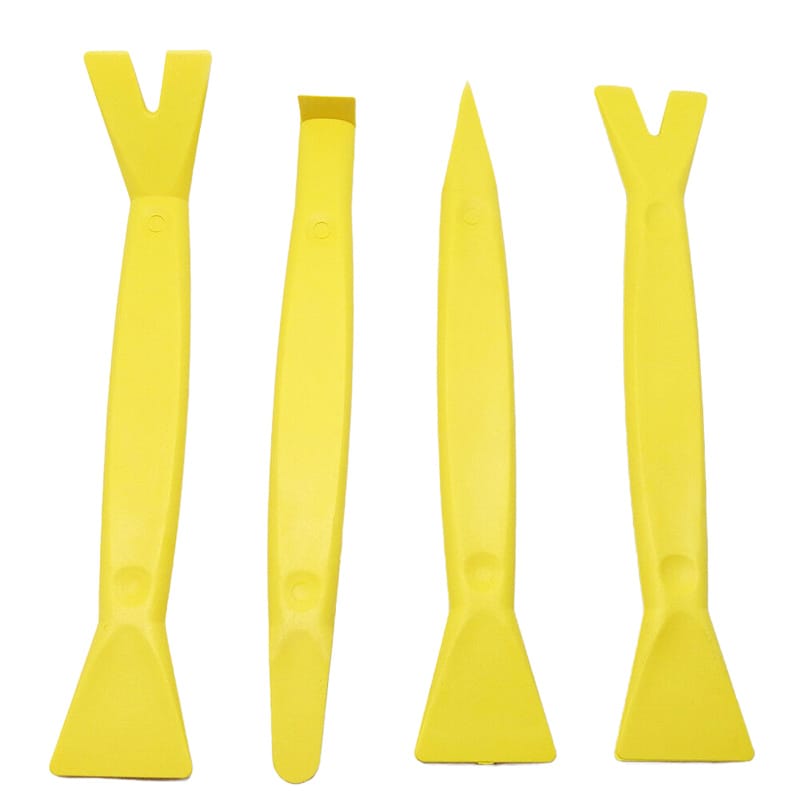
A window trim removal tool is essential when technicians need to remove automotive window molding, door trim, windshield molding, weatherstrips, plastic clips, or exterior trim without scratching paint, cracking retainers, or deforming the trim piece. In car door and window repair, the challenge is rarely just “removing a part.” The real challenge is removing it cleanly, keeping clips reusable where possible, and protecting visible surfaces.
For workshops, distributors, and OEM tool brands, window trim removal tools are a high-value product direction because they connect directly with common service needs: door glass repair, window regulator access, windshield molding release, weatherstrip replacement, door trim removal, and auto body interior work.
This guide explains how to choose a practical window trim removal tool kit for professional repair use, wholesale supply, and private-label automotive tool programs.
Why Window Trim Removal Tools Are Important
Automotive window trim is often located near painted surfaces, glass edges, rubber seals, plastic clips, and door panels. If a technician uses a screwdriver, ordinary pliers, or a sharp metal pry tool in the wrong position, the result can be scratches, bent trim, broken clips, torn weatherstrips, or damaged molding.
A dedicated 5pcs trim fastener and molding removal tool kit is designed for removing window and door trim while reducing damage to retaining clips and the vehicle body. This makes it more suitable for door and window repair than improvised tools.
Window trim tools are especially useful for:
- Door window molding removal
- Windshield molding release
- Weatherstrip service
- Door glass repair access
- Window regulator repair preparation
- Exterior trim and molding removal
- Plastic fastener and clip removal
- Auto body interior repair
- Automotive glass-related service
Guidance from OSHA hand and power tool safety also reminds workshops that hand tools should be selected and used properly. In window trim repair, the right tool helps technicians reduce unnecessary force and improve control.
What Is a Window Trim Removal Tool?
A window trim removal tool is a hand tool used to separate or release trim, molding, clips, weatherstrips, and fasteners around automotive windows, doors, and glass areas. It may be made from nylon, PP, carbon steel, manganese steel, or mixed materials, depending on the application.
Unlike general pry tools, window trim tools usually have shapes designed to reach under trim edges, lift fasteners, or release molding without concentrating too much pressure on one point.
Typical tool shapes include:
- Thin wedge tools
- Fork-style clip removers
- Curved molding removers
- Wide plastic pry tools
- Long reach trim tools
- Clip cutter puller tools
- Windshield molding release tools
- Door upholstery removers
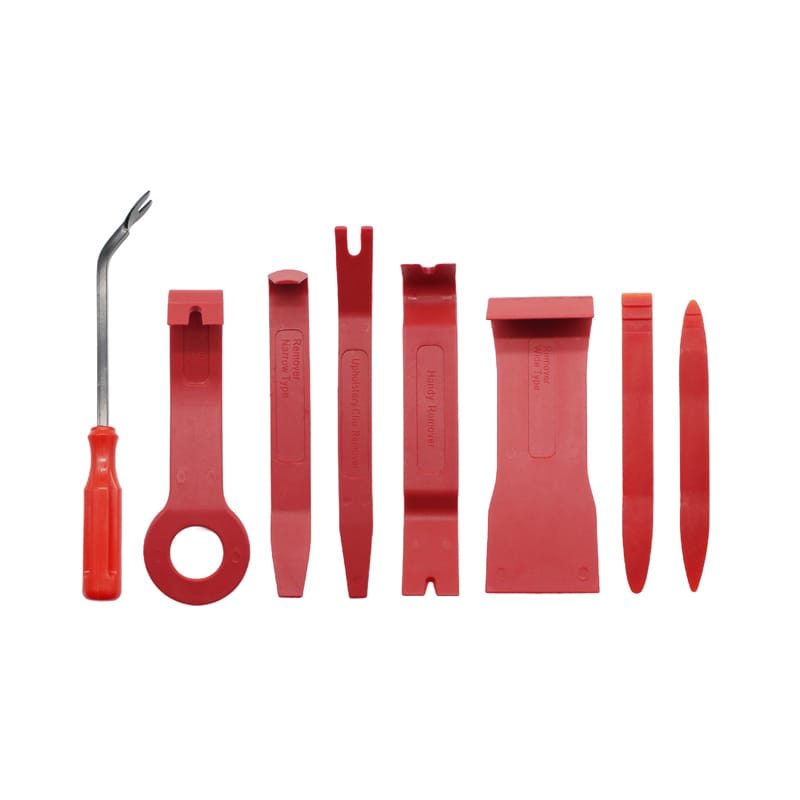
For broader trim service, the 11pcs trim fastener and molding removal tool set supports internal and external vehicle molding and trim fastener removal. For stronger clip and panel work, a car trim panel clip cutter puller fastener rivets remover can be used for trim, moldings, windows trims, clips, fasteners, emblems, panels, and radios.
Window Trim vs Door Trim vs Windshield Molding
Window trim removal tools are often grouped with door trim tools and windshield molding tools, but each application has different repair conditions.
| Application Area | Common Repair Need | Tool Requirement |
|---|---|---|
| Door window trim | Remove outer or inner belt molding, weatherstrip, trim clips | Thin edge, controlled leverage, non-marring surface |
| Door panel trim | Access window regulator, speaker, lock, wiring | Fork-style clip remover, panel pry tool |
| Windshield molding | Release molding or cut sealant access area | Molding release shape, stronger material |
| Exterior body molding | Remove decorative trim or retaining clips | Stronger pry angle, smooth working surface |
| Interior switch trim | Remove window switch panel or bezel | Plastic pry tool, slim wedge |
| Weatherstrip service | Lift or reposition rubber seals | Smooth rounded tip, low tearing risk |
A practical door and window repair tool kit should not rely on one shape. It should combine non-marring plastic tools for visible surfaces and stronger metal tools for stubborn clips or tightly fitted molding.
Common Door and Window Repair Scenarios
Window Regulator Repair
When a window regulator fails, the technician usually needs to remove the door panel before accessing the regulator, cable, motor, or glass guide. A window trim removal tool helps release surrounding trim and clips before the internal door structure is opened.
For this kind of work, a 2pcs door panel and plastic fastener removal pry tool set can be paired with molding tools to support both panel and window access.
Door Glass Replacement
Door glass work often involves trim strips, weatherstrips, clips, and inner panels. A sharp or oversized tool can damage glass-adjacent components, so slim and smooth tool edges are important.
Windshield Molding Removal
Windshield molding may require more specialized tools because the work area includes glass, sealant, body edges, and exterior trim. Fengjie’s windshield removal tool is designed for removing windshields, backlights, bonded backlights, and cutting sealant around windows with a specially designed blade.
Weatherstrip Replacement
Weatherstrips are soft and can tear if lifted with a sharp edge. For this task, technicians need rounded or plastic tools that can separate rubber from the body channel without cutting the material.
Clip and Fastener Removal
Window trim and door molding often use retaining clips. A dedicated clip tool can lift the clip closer to its base, reducing the risk of snapping the fastener or tearing the trim seat.
Plastic and Metal Window Trim Tools
The best tool material depends on where the tool will contact the vehicle.
Plastic window trim tools are usually better for delicate surfaces. Nylon and PP tools help reduce scratch risk around painted trim, plastic bezels, window switch panels, and soft interior surfaces. They are also useful when a technician needs to create the first gap before using a stronger tool.
Metal window trim tools are better for tight clips, stubborn molding, older fasteners, or jobs requiring stronger leverage. However, metal tools should be used carefully around painted panels and glass edges.
A professional kit often includes both:
- Plastic tools for first contact and delicate trim
- Metal tools for stronger clip lifting
- Fork tools for upholstery and fasteners
- Molding tools for window and windshield trim
- Pliers or clip pullers for retained fasteners
The most effective repair workflow is not “plastic or metal.” It is choosing the right material for each contact point.
Key Features to Check in a Window Trim Removal Tool
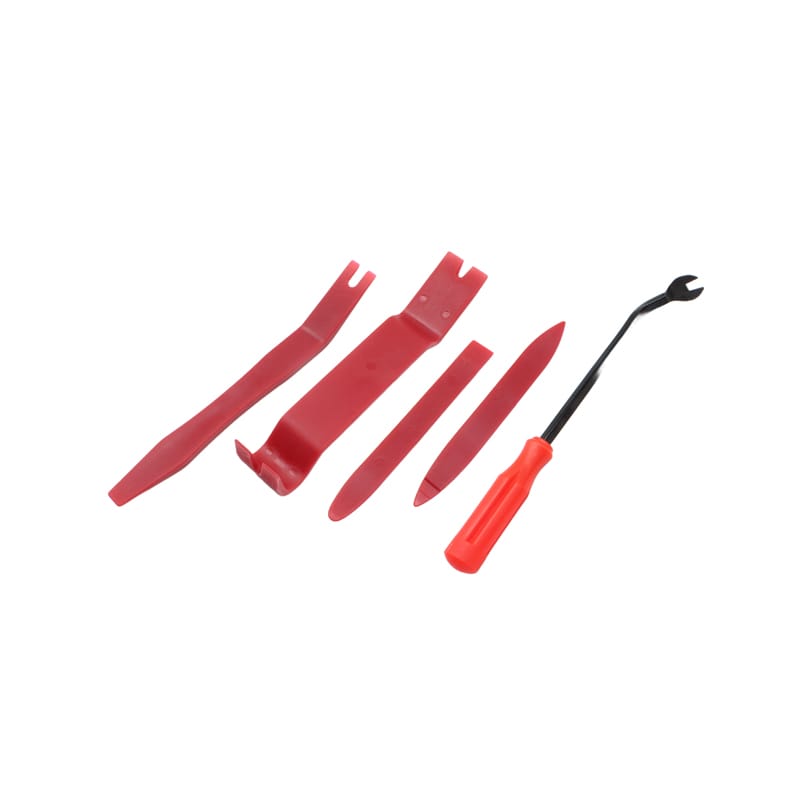
A window trim removal tool should be evaluated by shape, material, finish, and control.
| Feature | What to Check | Why It Matters |
| Tip thickness | Slim enough to enter trim gaps | Helps reduce forced entry damage |
| Edge smoothness | No burrs or sharp unfinished areas | Protects paint, plastic, rubber, and trim |
| Tool angle | Proper leverage without twisting trim | Improves control during removal |
| Material flexibility | Flexes without cracking or permanent bending | Helps with different gap conditions |
| Handle comfort | Stable grip and good force control | Supports repeated workshop use |
| Clip access | Fork opening fits common fasteners | Reduces broken clips |
| Surface finish | Rust resistance and clean coating | Improves durability and appearance |
| Kit layout | Useful shape variety, not repeated pieces | Improves real application coverage |
The NIOSH guide to selecting non-powered hand tools highlights the value of tools that reduce excessive force, awkward posture, and repetitive strain. This matters in repair shops where technicians repeatedly remove door panels, trims, and fasteners.
How to Build a Practical Window Trim Removal Tool Kit
A well-planned kit should cover multiple levels of repair work, from delicate interior trim to stronger exterior molding.
A practical kit may include:
- Thin plastic wedge tools
- Wide plastic panel tools
- Fork-style clip removers
- Curved molding removers
- Door upholstery tools
- Window molding release tools
- Clip cutter puller tools
- Long reach trim tools
- Storage pouch or molded case
For compact retail programs, a 5-piece kit can cover common window and door trim tasks. For professional workshop supply, a larger 11-piece or mixed-material kit offers better application coverage.
The door upholstery remover is useful when repair work involves plastic door upholstery clips. It can be paired with window trim tools when the technician needs to remove the door panel before accessing window components.
Safe Workflow for Window Trim Removal
A good tool works best with a controlled repair process.
First, inspect the trim and confirm whether clips, screws, adhesive, or hidden retainers are holding the part. Many trim pieces look simple from the outside but use retaining clips behind the surface.
Second, choose the least aggressive tool first. A plastic wedge can create an initial gap without marking the surface. Once the trim begins to separate, the technician can identify clip positions.
Third, work close to the clip or retainer. Pulling from the wrong location can bend molding or break the clip seat.
Fourth, apply steady pressure instead of sudden force. If the trim does not release, reposition the tool rather than increasing force.
Fifth, protect adjacent glass, paint, rubber seals, and wiring. Door and window repair often combines trim work with glass movement parts, electrical connectors, and moisture barriers.
Vehicle safety resources from the National Highway Traffic Safety Administration reinforce the importance of proper inspection and maintenance. For repair shops, trim removal is only one step, but it affects the quality and safety of the final repair.
OEM and Wholesale Product Planning
Window trim removal tools are suitable for OEM and wholesale tool programs because they are compact, practical, easy to combine, and relevant to many repair customers.
Common OEM options include:
- Tool color customization
- Logo printing
- Handle texture design
- Kit quantity adjustment
- Retail card packaging
- Storage pouch
- Blow-molded case
- Instruction card
- Barcode label
- Multilingual packaging
- Product photo support
- Custom tool combination
A distributor can build a three-level product structure:
| Product Level | Suggested Configuration | Target Use |
| Basic kit | 5pcs nylon/PP trim tools | Retail, DIY, light trim work |
| Workshop kit | 11pcs trim and molding removal tools | Door trim, window trim, panel repair |
| Professional set | Mixed plastic and metal tools with clip remover | Body shops, glass repair, interior repair |
This structure gives the product line clearer market positioning and makes it easier to serve different customers without relying on only one SKU.
Quality Control Points for Bulk Orders
Window trim removal tools are used on visible surfaces, so small defects can create big problems. For bulk orders, quality control should focus on real application performance.
Important inspection points include:
- Smooth working edges
- No burrs on contact areas
- Consistent tool thickness
- Correct fork opening
- Stable handle connection
- Material flexibility
- Rust-resistant finish
- No cracking under normal force
- Clean logo printing
- Accurate packaging labels
- Strong outer carton protection
- Consistent batch color and shape
A quality management system such as ISO 9001 is widely used to support consistent production and customer satisfaction. For tool sourcing, the practical goal is that every batch should match the approved sample in shape, strength, finish, and packaging.
How to Position Window Trim Tools on Product Pages
A product page for window trim removal tools should clearly explain real repair uses. Vague wording like “durable and high quality” is not enough for SEO or conversion.
A stronger product page should mention:
- Window trim removal
- Door trim removal
- Windshield molding release
- Plastic fastener removal
- Clip removal
- Weatherstrip work
- Auto glass repair preparation
- Non-marring trim work
- OEM packaging options
- Wholesale supply capability
Internal links should guide visitors from the blog to related product pages. For example, a user reading this article may also want the 5pcs trim fastener and molding removal tool kit, 11pcs trim fastener and molding removal tool set, windshield removal tool, or Fengjie Tools contact page.
This kind of internal link path helps move visitors from research to product evaluation and then to inquiry.
Why Fengjie Tools Fits Door and Window Repair Tool Supply
Fengjie Tools focuses on automotive repair tools, hand tools, and household tools, with product categories covering car body/interior tools, automotive glass removal, trim tools, clip removers, door panel tools, and related repair products.
For door and window repair tool programs, Fengjie can support different product directions, including:
- Window trim removal tools
- Door trim removal tools
- Windshield molding tools
- Door upholstery removers
- Clip and fastener removal tools
- Trim fastener and molding kits
- Automotive glass removal tools
- OEM and ODM tool kits
For distributors, workshop suppliers, and private-label brands, this makes it easier to build a complete door and window repair tool category rather than sourcing disconnected single products.
Conclusion
A window trim removal tool is a key product for automotive door, glass, molding, and weatherstrip repair. The right tool helps technicians remove window trim, door trim, windshield molding, clips, and fasteners with better control and lower risk of visible damage.
For professional repair use, the best kit should combine non-marring plastic tools, stronger clip removal tools, molding tools, and practical storage. For distributors and OEM tool brands, the product should also support clear packaging, stable quality, useful kit configurations, and long-term repeat supply.
Fengjie Tools offers related products such as the 5pcs trim fastener and molding removal tool kit, 11pcs trim fastener and molding removal tool set, door upholstery remover, and windshield removal tool. To discuss OEM packaging, wholesale supply, or custom tool kit development, visit the Fengjie Tools contact page.
FAQ
What is a window trim removal tool used for?
A window trim removal tool is used to remove automotive window molding, door trim, weatherstrips, clips, and fasteners without damaging painted surfaces, plastic trim, or retaining clips.
Can window trim removal tools be used for door repair?
Yes. Many door repair jobs require removing window trim, door panels, clips, and weatherstrips before accessing the window regulator, door glass, lock parts, or wiring.
Is a plastic trim tool better than a metal trim tool?
Plastic tools are better for delicate surfaces and first-contact work. Metal tools provide stronger leverage for stubborn clips or molding. A mixed kit is usually best for professional repair.
What should a window trim removal tool kit include?
A practical kit may include plastic wedges, fork-style clip removers, molding removal tools, door upholstery removers, long reach tools, and a storage pouch or molded case.
Can these tools help with windshield molding removal?
Yes. Some molding removal tools can help release windshield molding, while specialized windshield removal tools are used for bonded glass and sealant cutting tasks.
What should distributors check before sourcing window trim tools?
Distributors should check material quality, tip smoothness, fork opening, tool angle, handle comfort, packaging strength, batch consistency, and OEM customization options.
Are window trim removal tools suitable for OEM branding?
Yes. Tool color, logo, packaging, instruction cards, barcode labels, kit quantity, and storage cases can be customized for OEM or private-label programs.
How can I request custom window trim removal tools from Fengjie?
You can send your requirements through the Fengjie Tools contact page and include your target market, preferred kit structure, packaging needs, and branding requirements.