
When tackling any renovation, woodworking, or DIY project, one tool quietly proves its worth: the flat scraper tool. From lifting stubborn paint to removing adhesive residues, it’s the unsung hero of surface preparation. Yet, despite its importance, many people underestimate the nuances that make a scraper truly effective. This guide sheds light on what to look for and how to select the right flat scraper tool for your specific needs, from a manufacturer’s perspective.
Table of Contents
Understanding Flat Scraper Tools
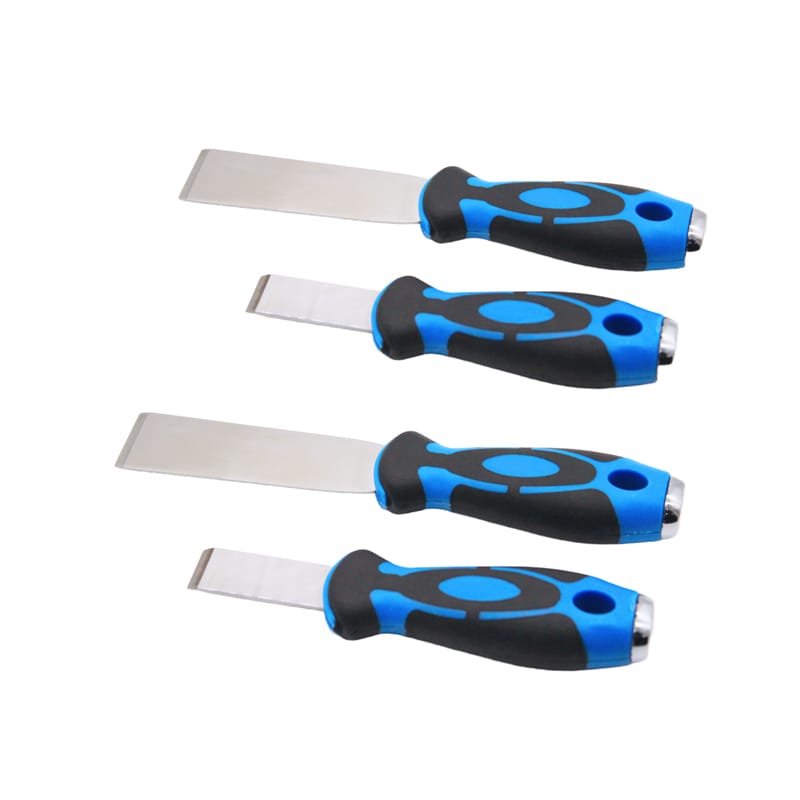
A flat scraper tool is deceptively simple. Essentially, it is a tool designed to scrape unwanted materials off flat surfaces. But simplicity doesn’t mean all scrapers are equal. Quality matters—from the sharpness of the blade to the ergonomics of the handle. A poorly chosen scraper can damage surfaces or slow down your workflow.
Think of it this way: whether you are a professional contractor or a DIY enthusiast, investing time in understanding scraper types can save hours of frustration later.
The Many Faces of Flat Scraper Tools
Flat scraper tools come in multiple forms, each tailored for specific tasks.
Handheld Scrapers – Perfect for small projects around the home, like removing stickers or cleaning minor paint splashes.
Heavy-Duty Scrapers – Industrial-grade tools designed to tackle large surfaces, hardened adhesives, or thick layers of paint. These are built for longevity and intense use.
Ergonomic and Specialty Scrapers – Tools with contoured handles or adjustable blades for comfort and precision. If you spend hours scraping, ergonomics can prevent fatigue and improve control.
What Makes a Scraper Great?
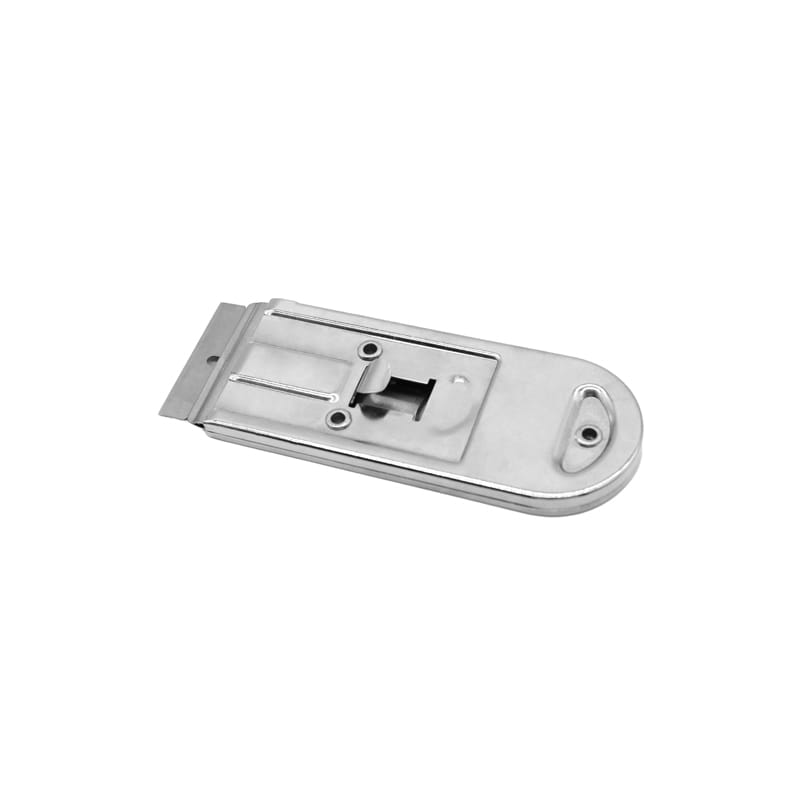
Not every scraper is created equal. When choosing, consider these factors:
- Blade Material: Stainless steel resists rust, while carbon steel keeps a sharp edge longer.
- Handle Comfort: Look for grips that reduce strain during extended use.
- Flexibility vs Rigidity: Flexible blades glide over uneven surfaces; rigid blades are ideal for stubborn materials.
- Durability and Maintenance: A well-made tool withstands wear, requires minimal upkeep, and lasts for years.
- Replaceable Blades: Tools with interchangeable blades extend their life and versatility.
Matching Your Scraper to the Job
Not every flat scraper tool suits every surface. Here’s how to match your tool to your task:
- Paint and Varnish Removal: A sharp, rigid blade is best.
- Adhesives or Sticker Residue: Flexible blades prevent scratching delicate surfaces.
- Woodworking or Renovation Prep: Choose a scraper that balances control and coverage.
- Professional Use: Look for durability, ergonomic design, and replaceable components for efficiency.
Taking the time to assess your project’s requirements ensures smoother results and protects the surfaces you care about.
Everyday Uses You Might Not Expect
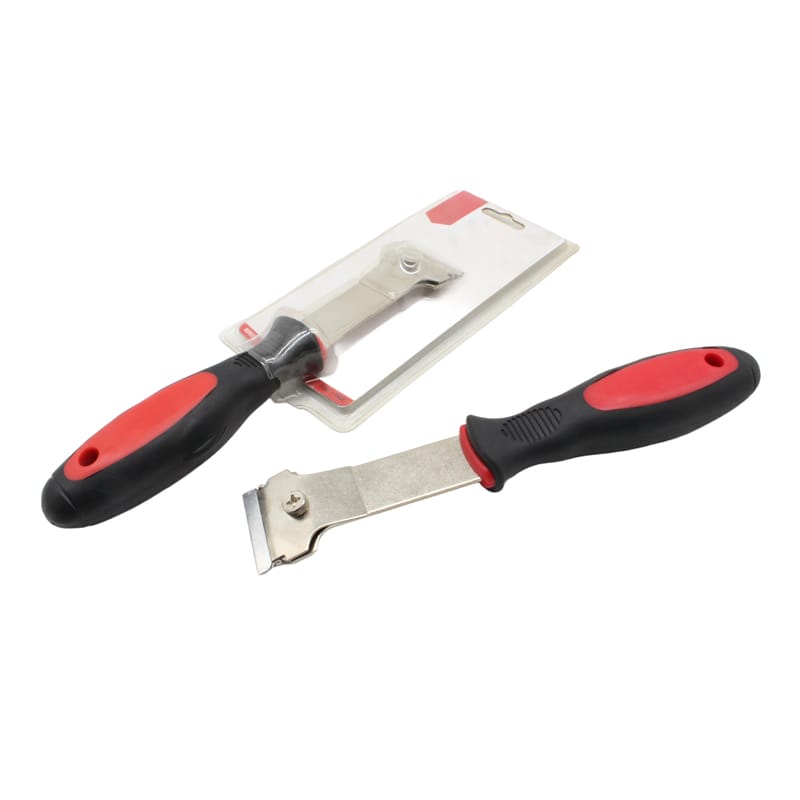
Flat scraper tools are versatile beyond the obvious tasks.
- DIY Furniture Projects: Removing old finishes before refinishing.
- Surface Cleaning: Lifting grime or build-up from counters, tiles, and workbenches.
- Hobby and Craft Projects: Preparing surfaces for painting or adhesives.
- Industrial Applications: From construction sites to woodworking shops, scrapers save hours of labor.
By understanding these diverse uses, you can see why a quality scraper is more than just a tool—it’s a problem solver.
Caring for Your Flat Scraper Tool
A quality scraper deserves proper care. A few simple practices can keep it performing like new:
- Clean After Each Use: Wipe away residues to prevent corrosion or buildup.
- Sharpen as Needed: Maintain an edge that glides easily over surfaces.
- Store Properly: Dry storage prevents rust and keeps blades straight.
- Handle Safely: Always maintain a firm grip, and consider gloves for extended scraping tasks.
Simple maintenance ensures your scraper remains reliable over time.
Scrapers vs Other Tools
How does a flat scraper compare to alternatives?
- Putty Knives: Better for spreading materials than scraping.
- Multi-Purpose Scrapers: Versatile but often less precise.
Understanding these differences helps you pick the right tool for the right task and avoid unnecessary trial and error.
Why Direct-from-Manufacturer Scrapers Are Smart Choices
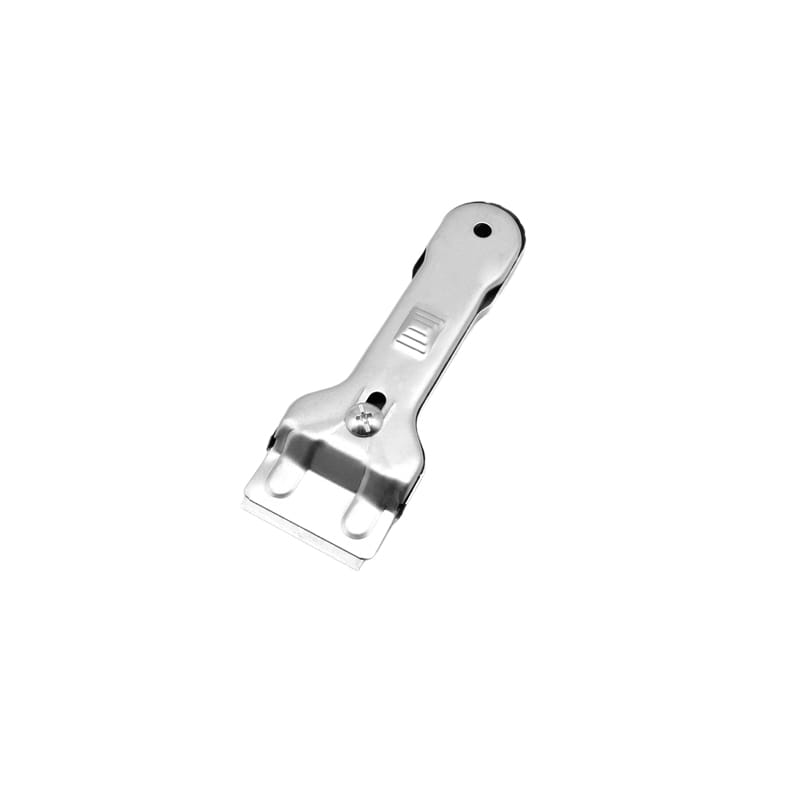
Purchasing directly from a manufacturer has tangible benefits:
- Consistent Quality: Tools meet strict production standards.
- Customization Options: Blade types, handle designs, and sizes can match your exact needs.
- Long-Term Support: Bulk orders, replacement parts, and professional consultation are easier to access.
By going direct, you gain tools designed for efficiency, durability, and versatility.
Wrapping Up
Choosing the right flat scraper tool isn’t just about picking a tool off a shelf—it’s about finding the one that suits your project, surfaces, and personal workflow. From the manufacturer’s perspective, quality, precision, and durability are the hallmarks of a good scraper. With the right tool, you can tackle surface prep with confidence, efficiency, and ease.
If you want guidance tailored to your specific project or need tools built for long-term use, explore our range of flat scraper tools—engineered for professionals and enthusiasts alike.
FAQ
What is a flat scraper tool used for?
A flat scraper tool is mainly used to remove paint, adhesives, stickers, and other materials from flat or slightly uneven surfaces. It’s also helpful for surface preparation in woodworking, renovations, and DIY projects.
How do I choose the right flat scraper tool?
Consider the surface type, project size, blade material, and handle ergonomics. Flexible blades are ideal for delicate surfaces, while rigid blades work best for tough materials.
Can a flat scraper tool be used on delicate surfaces?
Yes. Using a flexible or specialty blade prevents scratches while still effectively removing unwanted material from glass, finished wood, or tiles.
How should I maintain my flat scraper tool?
Clean the blade after use, store it in a dry place, and sharpen it when needed. Proper maintenance ensures durability and optimal performance.
What makes a flat scraper tool different from other scrapers?
Flat scraper tools offer precise control, durable blades, and ergonomic handles, making them more efficient for paint, adhesive, and surface preparation compared to putty knives or multi-purpose scrapers.