
In brake system repair, most failures don’t start with the obvious parts. They usually start at the surface level—inside the cylinder bore. That’s where a brake cylinder hone becomes less of a “tool” and more of a finishing requirement.
As a manufacturer, we see a clear pattern in real workshop usage: technicians who treat honing as a quick step often end up revisiting the same job twice. Those who understand surface behavior, tool selection, and material response tend to get stable, repeatable brake performance.
This guide is written from that practical angle—what actually matters when selecting and using a brake cylinder hone in real repair environments.
Table of Contents
Understanding the Role of a Brake Cylinder Hone in Real Repairs
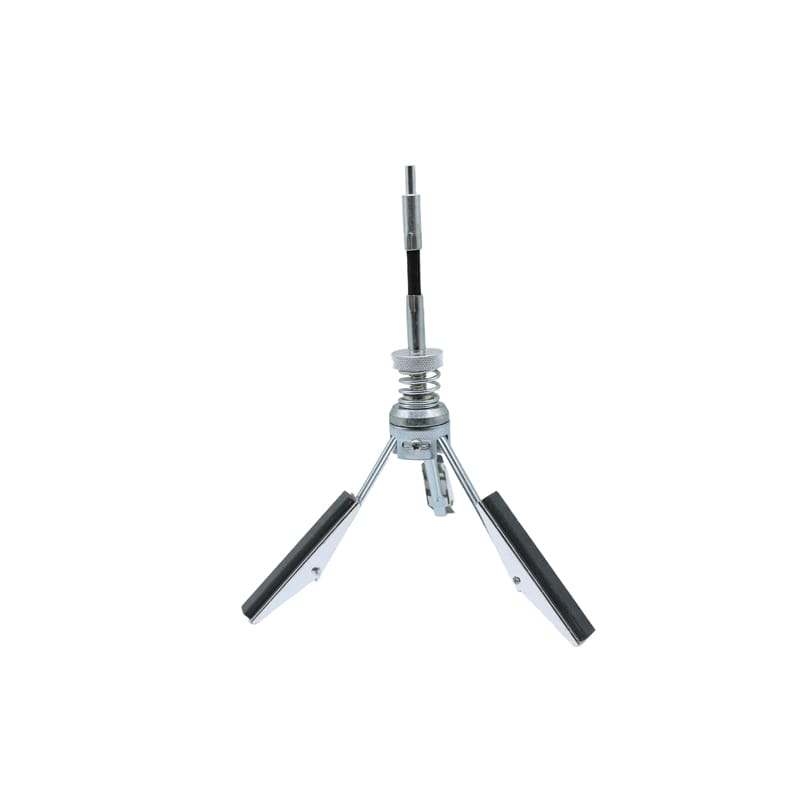
A brake cylinder hone is used to restore the internal surface of brake cylinders by removing oxidation, light scoring, and glazing. But its real value is not “removal”—it’s surface correction.
Inside a brake cylinder, the piston relies on a thin fluid film to maintain smooth movement and sealing stability. If the surface is too rough, leakage risk increases. If it is too smooth, fluid retention becomes unstable. Honing sits exactly between these two conditions.
In practical terms, a properly honed cylinder should:
- Maintain consistent fluid film behavior
- Support stable piston movement
- Avoid localized pressure loss
- Extend the functional life of the cylinder
This is why cylinder honing is considered a precision step rather than a cleaning step.
What Actually Happens During the Honing Process
The working mechanism is simple in structure but sensitive in execution.
A set of abrasive stones expands outward under spring tension, contacting the inner bore surface. As the tool rotates and moves up and down, it creates a controlled crosshatch pattern.
That pattern is not cosmetic. It serves three functional roles:
- Holds micro-layer lubrication
- Balances surface contact pressure
- Helps stabilize piston sealing dynamics
What often gets overlooked is that the consistency of this pattern depends more on operator control than tool speed. Even a high-quality tool can produce poor results if pressure and movement are inconsistent.
Types of Brake Cylinder Hone Tools You Will Actually Encounter
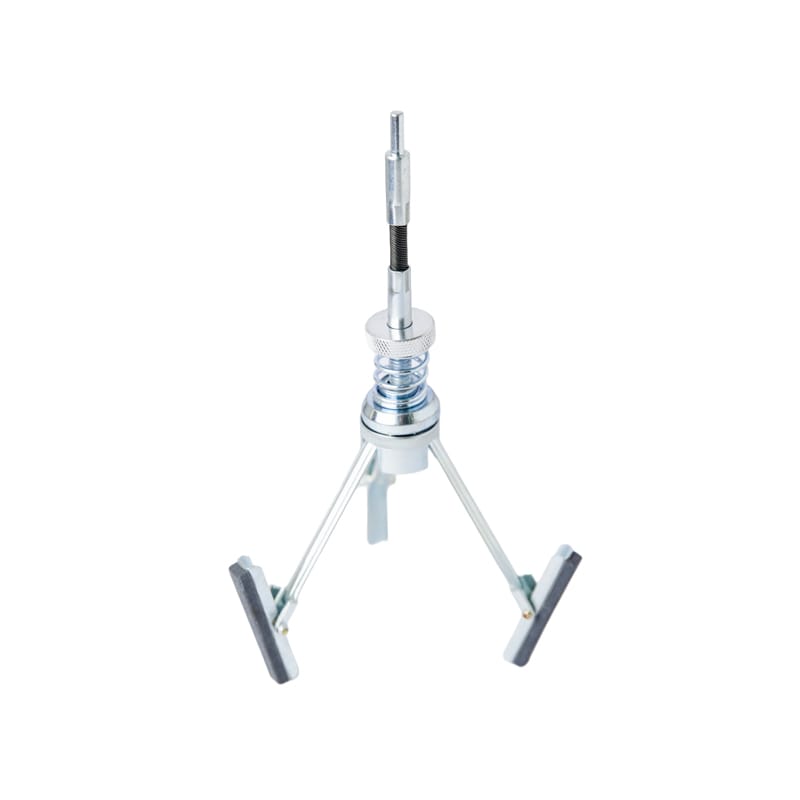
In the field, brake cylinder honing tools are generally divided into a few practical categories rather than marketing-based classifications.
Adjustable stone-type hone
This is the most common design. It allows diameter flexibility and is used in general workshop environments where cylinder sizes vary.
Fixed-size honing tools
Used in repetitive repair work where cylinder dimensions are standardized. They offer more consistency but less flexibility.
Flex-style honing tools
Designed mainly for surface de-glazing and light correction work rather than heavy material adjustment.
Each type behaves differently under load. The key is not choosing “the best one,” but choosing the one that matches the repair condition.
Selection Logic Most Buyers Overlook
Most selection mistakes happen before the tool is even used.
Instead of focusing only on tool type, experienced users evaluate three practical factors:
1. Cylinder condition
- Light glazing → fine grit is enough
- Rust or scoring → requires staged honing
2. Material behavior
Different cylinder materials respond differently under abrasion. Cast surfaces behave more predictably, while mixed alloys require more controlled pressure.
3. Stability of tool expansion
A stable expansion system ensures even contact. Uneven expansion leads to irregular bore geometry, even if the operator technique is correct.
These three points matter more than brand or packaging specifications.
Why Honing Failures Usually Don’t Come From the Tool
In workshop feedback, most “tool problems” are actually process issues.
Common situations include:
- Visible spiral marks after honing
- Uneven surface reflection inside the bore
- Excess material removal at entry points
- Vibration marks along cylinder walls
In most cases, the root cause is not the tool itself but:
- Incorrect rotational speed control
- Poor alignment during entry
- Inconsistent stroke length
- Over-aggressive pressure application
A brake cylinder hone is sensitive to movement balance. Once that balance is lost, surface quality drops immediately.
Brake Cylinder Honing vs Engine Honing (Practical Difference)
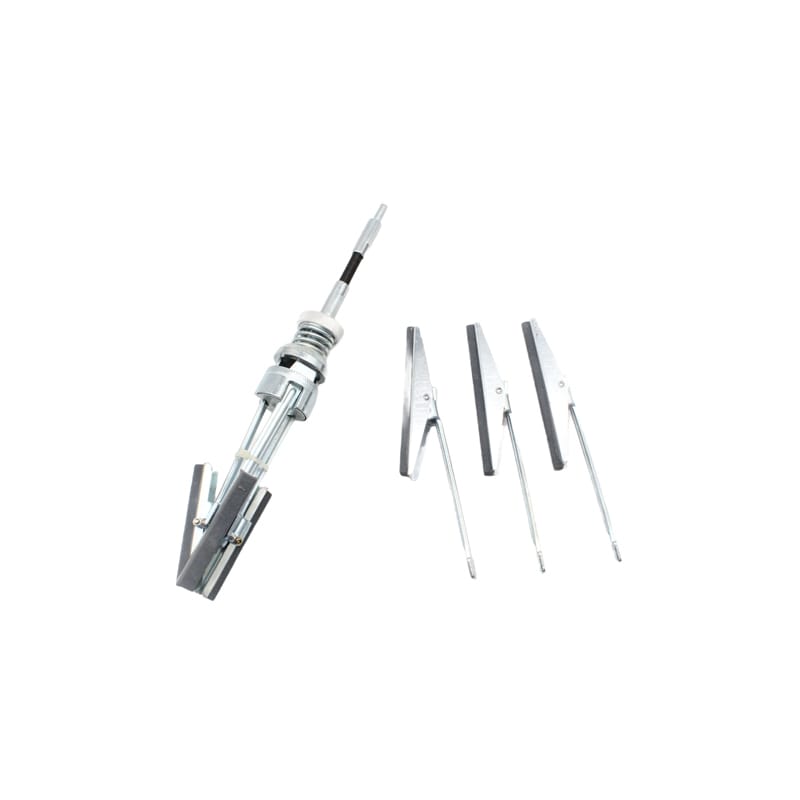
Although both processes use similar principles, their goals are not the same.
Brake cylinder honing focuses on:
- Fluid sealing stability
- Surface uniformity
- Low-friction piston movement
Engine honing focuses more on:
- Ring seating conditions
- Higher crosshatch aggressiveness
- Lubrication retention under combustion pressure
This difference explains why using the wrong tool type often leads to either under-processing or over-processing.
What Defines a Reliable Brake Cylinder Hone in Manufacturing
From a production perspective, performance consistency is determined long before the tool reaches the workshop.
Key manufacturing factors include:
- Abrasive stone density and bonding stability
- Shaft straightness under rotational load
- Spring response uniformity
- Resistance to vibration imbalance
Small variations in any of these areas will show up during use as uneven surface finishing.
This is why industrial-grade tools are not just assembled—they are calibrated.
How Professional Manufacturers Structure Production
A typical manufacturing process for brake cylinder hones involves multiple controlled stages:
- Material selection for shaft rigidity
- Precision machining for dimensional stability
- Abrasive stone shaping and grading
- Assembly with tension calibration
- Dynamic rotation testing before packaging
For OEM supply, additional steps may include size customization and branding alignment, depending on distributor requirements.
Where Brake Cylinder Hones Are Actually Used
Beyond general automotive repair, usage extends into several maintenance environments:
- Passenger vehicle brake system refurbishment
- Commercial fleet maintenance operations
- Motorcycle brake cylinder servicing
- Hydraulic system repair in industrial machinery
In all these cases, the goal remains consistent: restore internal surface behavior without replacing the entire component.
Maintenance Habits That Extend Tool Life
A brake cylinder hone is a reusable tool, but its performance depends heavily on post-use handling.
Practical maintenance includes:
- Removing abrasive residue immediately after use
- Preventing oil and metal particle buildup on stones
- Checking spring tension periodically
- Replacing worn abrasive segments before performance drops
Neglecting maintenance usually leads to gradual performance decline rather than sudden failure.
Why Direct Manufacturing Source Matters in Practice
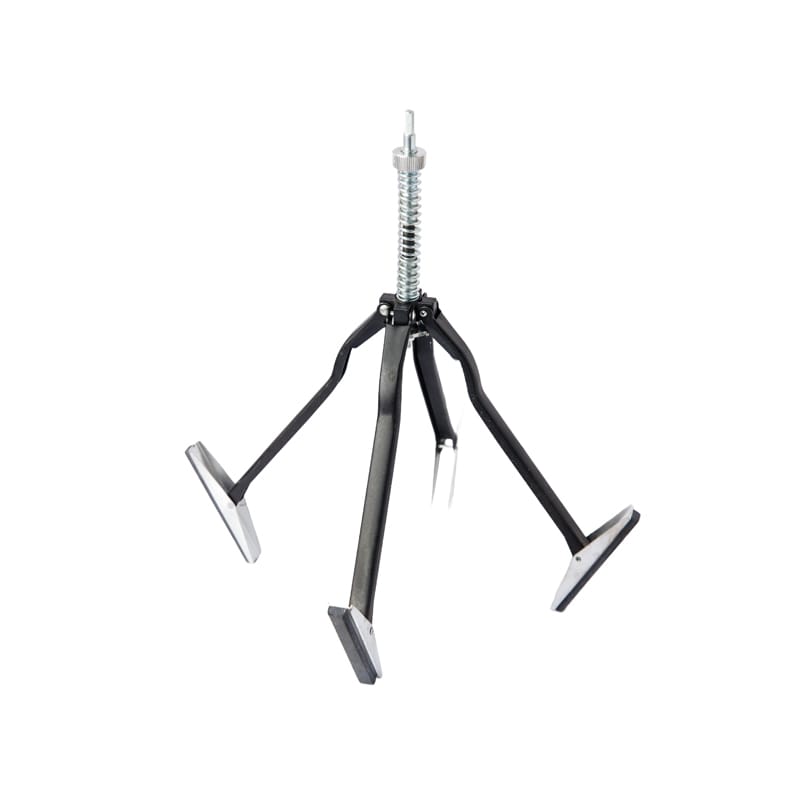
For buyers working at scale, sourcing directly from a manufacturer changes more than cost structure—it affects consistency.
Key advantages include:
- Stable production quality across batches
- Controlled material selection standards
- Flexible specification adjustment
- More predictable supply planning
From a procurement standpoint, this reduces variation between tool batches, which is often a hidden issue in workshop performance consistency.
Conclusion
A brake cylinder hone is not a complex tool, but it is a precision-sensitive one. Its effectiveness depends on how well tool design, material behavior, and operator technique align during use.
For professional users and distributors, choosing a reliable brake cylinder hone manufacturer is less about product appearance and more about consistency, control, and repeatable performance in real workshop conditions.
When the surface inside the cylinder is correct, everything downstream in the brake system behaves more predictably—and that is ultimately what determines repair quality.
FAQ
Q1: What is a brake cylinder hone used for?
It is used to restore and smooth the internal surface of brake cylinders, removing light rust, glazing, and minor imperfections to ensure proper sealing and piston movement.
Q2: How does a brake cylinder hone improve brake performance?
It creates a controlled crosshatch surface inside the cylinder, helping maintain fluid retention and stable hydraulic pressure, which improves braking consistency.
Q3: What type of brake cylinder hone should be used for repair work?
Adjustable stone-type hones are most commonly used because they fit multiple cylinder sizes and are suitable for general automotive repair applications.
Q4: Can a brake cylinder hone fix deep cylinder damage?
No. It is designed for light surface correction. Deep scratches or severe wear usually require machining or cylinder replacement.
Q5: How do I know when a brake cylinder hone needs replacement?
If the abrasive stones are worn, uneven, or no longer create a consistent surface finish, the tool should be replaced to maintain accuracy and safety.