
Table of Contents
Introduction
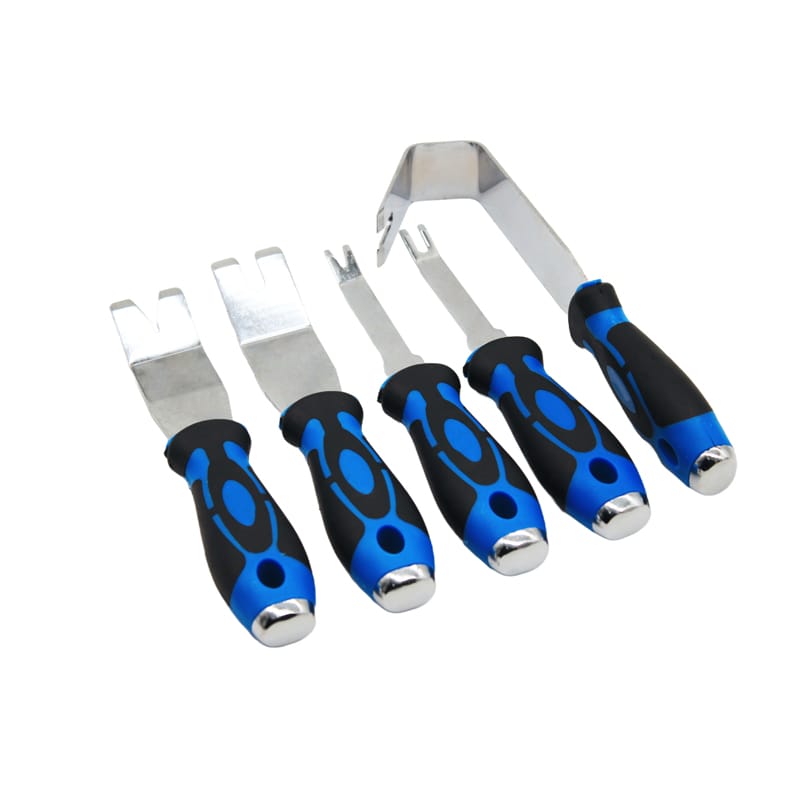
A damaged windshield may look like a simple replacement job, but removing the old glass correctly can be one of the most delicate stages of the entire process. Modern vehicle windshields are typically bonded to the body with strong urethane adhesive, and the glass is often positioned close to painted surfaces, trim, sensors, cameras, and other components.
This is why choosing the right windshield removal tool matters. The wrong method can turn a routine windshield replacement into a much more complicated repair involving damaged paint, broken trim, scratched body panels, or unnecessary glass breakage.
For professional repair shops, auto glass technicians, mobile service teams, and tool distributors, understanding the different types of windshield removal tools is essential. A good tool should not simply cut adhesive. It should help the technician remove bonded glass with better control, less physical effort, and lower risk to the vehicle.
This guide explains how a windshield removal tool works, the major tool types available, how to choose the right option for different jobs, and what professionals should consider when building a complete auto glass removal toolkit.
For a broader selection of professional automotive repair tools, it is also useful to choose tools based on the actual repair process rather than selecting them only by appearance or general application.
Why Choosing the Right Windshield Removal Tool Matters
Windshields are not simply placed into a rubber frame as they were on many older vehicles. Modern windshields are commonly bonded directly to the vehicle body with high-strength adhesive.
This bonding method improves structural performance, but it also makes removal more challenging.
During windshield removal, technicians often need to cut through cured urethane adhesive while avoiding contact with the following areas:
- Painted body surfaces
- Interior trim
- Dashboard components
- Windshield mouldings
- Glass edges
- Sensors and electrical components
- Cameras used by driver assistance systems
A suitable windshield removal tool helps create a more controlled cutting path.
Using an unsuitable tool can cause unnecessary problems. For example, excessive force may crack the windshield unexpectedly, while poor cutting control may scratch the vehicle’s pinchweld or damage surrounding trim.
The importance of correct windshield installation and removal is also connected to vehicle safety. A windshield can contribute to the overall structural performance of the vehicle and may also support the proper positioning of certain safety systems. General information about the role of windshields in vehicle structure can be found through Wikipedia’s overview of windshields.
For this reason, professional windshield removal is not simply about removing glass as quickly as possible. It is about separating the bonded glass from the vehicle safely and efficiently.
What Is a Windshield Removal Tool?
A windshield removal tool is a specialized automotive repair tool designed to separate a bonded windshield from the vehicle body.
Depending on the design, the tool may cut through urethane adhesive using:
- A sharp blade
- A pull wire
- A cutting cable
- A reciprocating cutting mechanism
- A manually operated handle
- A powered cutting system
Different designs are suitable for different working conditions.
Some windshield removal tools are designed primarily for manual repair work, while others are intended for high-volume professional workshops. The best option depends on factors such as the type of vehicle, adhesive thickness, technician experience, available workspace, and the need to protect surrounding surfaces.
A complete auto glass service setup may include several tools rather than relying on only one cutting device.
Types of Windshield Removal Tools
Manual Windshield Cutting Tools
Manual tools are commonly used for standard windshield removal work. These tools may use handles and replaceable blades to cut through adhesive around the edge of the glass.
One advantage of manual tools is direct control.
Technicians can adjust the cutting angle and pressure according to the shape of the windshield and the adhesive condition. This makes manual tools useful when working in tight or irregular areas.
However, manual cutting can require more physical effort, especially when the adhesive is thick or heavily cured.
For workshops performing occasional windshield replacement, a durable manual windshield removal tool can be a practical choice.
Wire-Type Windshield Removal Tools
Wire-based systems are widely used for cutting bonded auto glass.
A cutting wire is positioned between the glass and vehicle body and pulled through the urethane adhesive. Depending on the system, the wire may be operated manually or with specialized pulling mechanisms.
One of the main advantages of this method is that the cutting action can be controlled from a distance around the glass edge.
Wire systems can also reduce the need to place rigid cutting blades directly against painted surfaces.
However, successful use depends on proper wire positioning and tension control. Incorrect handling may cause the wire to break or damage surrounding components.
Cold Knife Windshield Removal Tools
Cold knives are designed with specialized blades that cut through windshield adhesive.
These tools are commonly recognized for their ability to provide direct cutting action. The blade is inserted into the adhesive area and pulled along the edge of the windshield.
Cold knife designs can be effective for professional technicians who need a straightforward cutting solution.
The main consideration is blade selection and handling technique. Because the tool operates close to vehicle surfaces, technicians must maintain good control to avoid scratches or damage.
Power-Assisted Auto Glass Removal Tools
Power-assisted systems can improve efficiency when removing strongly bonded windshields.
These tools may use electric, pneumatic, or mechanical assistance to reduce the physical effort required from the technician.
For high-volume workshops, power-assisted equipment may help improve consistency and reduce technician fatigue.
However, more complex equipment also requires proper training and maintenance.
The most suitable windshield removal tool is not necessarily the most complicated one. The goal should be to match the tool to the workshop’s actual repair volume and vehicle types.
How to Choose the Right Windshield Removal Tool
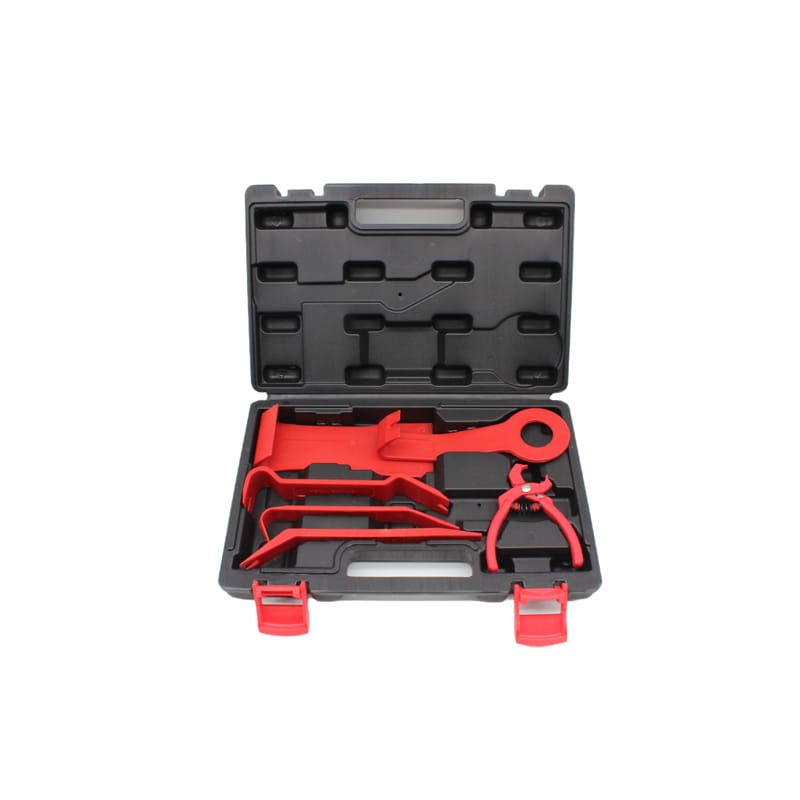
Selecting a windshield removal tool should involve more than comparing appearance or handle design.
The following factors are particularly important.
Consider the Type of Vehicles You Service
Different vehicles have different windshield shapes, bonding structures, trim systems, and access points.
A workshop servicing passenger vehicles may need a different tool configuration from a repair business working with trucks, vans, or commercial vehicles.
Curved windshields and deeply recessed glass can create additional challenges.
Before selecting a tool, consider the types of vehicles most frequently serviced.
Check the Adhesive Cutting Method
The cutting mechanism directly affects the way the tool performs.
Blade-based tools provide direct cutting control. Wire-based tools can be useful when reducing contact with surrounding surfaces is important.
The right choice depends on technician preference and the specific working environment.
Many professional technicians keep more than one type of windshield removal tool available.
Look at Blade or Wire Replacement
Wear parts are an important consideration.
Blades and cutting wires naturally wear during repeated use. A tool with easy replacement can help reduce downtime.
For distributors and workshop buyers, replacement component availability should also be considered before selecting a tool system.
Evaluate Handle Design and Ergonomics
Windshield removal can require repetitive movement and sustained pulling force.
A poorly designed handle can increase fatigue and reduce control.
Ergonomic handles, stable grips, and balanced tool construction can make a noticeable difference during repeated repair work.
This is especially important for professional workshops where technicians use the same tools throughout the day.
Consider Vehicle Surface Protection
One of the biggest risks during windshield removal is accidental damage to the vehicle.
A good windshield removal tool should be used together with appropriate protective accessories where necessary.
Surface protection should be considered around:
- Painted pillars
- Roof edges
- Dashboard areas
- Interior trim
- Pinchweld surfaces
Protecting these areas can reduce the risk of additional repair work after the windshield has been removed.
Common Mistakes When Removing a Windshield
Even with a high-quality windshield removal tool, incorrect technique can lead to unnecessary problems.
Using Too Much Force
A common mistake is trying to force the tool through thick adhesive.
Excessive force can cause sudden movement, tool slippage, or glass breakage.
Instead, the cutting process should remain controlled and progressive.
Ignoring the Cutting Angle
The angle of the blade or cutting wire affects how efficiently the adhesive is separated.
Poor positioning can increase resistance and place the tool closer to surfaces that need protection.
Technicians should adjust their working angle according to the vehicle structure and tool design.
Failing to Protect the Vehicle Body
Removing the windshield without protecting nearby surfaces increases the risk of scratches and damage.
Professional repair work should consider the entire surrounding area, not only the adhesive itself.
Continuing With Worn Cutting Components
A worn blade or damaged wire can reduce cutting efficiency.
As resistance increases, technicians may apply excessive force, which can create additional risk.
Replacing worn components at the right time helps maintain consistent performance.
Choosing One Tool for Every Situation
There is no single windshield removal tool that is perfect for every vehicle.
Different windshield designs and repair conditions may require different cutting approaches.
A more flexible toolkit can help technicians adapt to different jobs.
Windshield Removal Tool vs. General Cutting Tools
A general-purpose cutting tool may appear capable of cutting adhesive, but automotive glass removal involves specific requirements.
Windshield adhesive is designed to provide a durable bond. The cutting process must therefore balance efficiency with surface protection.
A dedicated windshield removal tool is designed around this application.
Specialized features may include:
- Shapes designed for glass edges
- Replaceable cutting blades
- Pulling mechanisms
- Controlled cutting angles
- Compact designs for restricted spaces
- Compatibility with automotive adhesive removal
Using the right tool can improve both working efficiency and repair quality.
For workshops building a more complete equipment setup, it can be helpful to explore related automotive repair tools that support other stages of vehicle repair and maintenance.
Building a Complete Auto Glass Removal Tool Kit
A professional windshield removal setup usually involves more than a single cutting tool.
Depending on the repair process, the toolkit may include:
| Tool Category | Main Purpose |
|---|---|
| Windshield removal tool | Cuts or separates bonded adhesive |
| Cutting blades | Replaces worn or damaged cutting edges |
| Cutting wire | Separates adhesive around the glass |
| Trim removal tools | Removes mouldings and surrounding trim |
| Scrapers | Cleans remaining adhesive |
| Surface protection tools | Helps protect painted and interior surfaces |
| Hand tools | Supports disassembly and preparation |
The exact combination depends on the type of service offered.
A mobile repair technician may prioritize lightweight and portable tools. A high-volume workshop may focus more on durability, repeatability, and efficiency.
For professional buyers looking for tools suitable for automotive repair applications, it is worth discussing specific requirements directly with a manufacturer through the contact page.
How Proper Tool Selection Improves Workshop Efficiency
Efficiency does not simply mean removing a windshield faster.
A truly efficient process should also reduce the chance of:
- Damaged paint
- Broken trim
- Unnecessary glass breakage
- Technician fatigue
- Rework
- Tool replacement
The right windshield removal tool helps create a smoother workflow.
When technicians can control the cutting process more effectively, they may spend less time correcting mistakes.
Tool durability also affects workshop productivity. A tool that maintains stable performance over repeated use can be more valuable than a design that requires frequent replacement.
For tool distributors and automotive repair businesses, choosing durable professional tools can also help standardize the repair process across multiple technicians or service locations.
Windshield Removal and Modern Vehicle Technology
Windshield replacement has become more complex as vehicles incorporate more technology around the glass area.
Modern windshields may work alongside:
- Forward-facing cameras
- Rain sensors
- Light sensors
- Heating elements
- Heads-up display systems
- Advanced driver assistance features
This makes careful removal increasingly important.
Although the windshield removal tool itself may appear to be a simple piece of workshop equipment, the quality of the removal process can affect later stages of repair and installation.
Technicians should inspect the vehicle carefully before starting work and identify any components located near the windshield.
Vehicle safety technology continues to evolve, and general information about advanced driver assistance systems is available from the National Highway Traffic Safety Administration.
The goal is to approach windshield removal as part of a complete repair procedure rather than an isolated cutting task.
Choosing a Windshield Removal Tool for Professional Use
For professional buyers, several purchasing considerations should be evaluated.
First, consider durability. Automotive repair tools are frequently exposed to repeated pulling, cutting, and contact with adhesive materials.
Second, consider consistency. Tools used by multiple technicians should provide predictable performance.
Third, consider replacement parts. Easily available blades, wires, or other consumable components can help maintain continuous operation.
Finally, consider the supplier’s ability to support different product requirements.
For businesses sourcing automotive repair equipment, working with a professional tool supplier can make it easier to select products suited to specific markets or repair applications.
You can explore available automotive tool solutions through Fengjie Tools and contact the team for product information, application requirements, or sourcing discussions.
FAQ
What is the best windshield removal tool?
The best windshield removal tool depends on the vehicle type, adhesive condition, working environment, and technician preference. Blade-based and wire-based systems are both commonly used for professional auto glass removal.
Can a windshield be removed without breaking it?
Yes. With the correct windshield removal tool, proper cutting technique, and controlled handling, a windshield can often be removed without intentionally breaking the glass. However, the final result depends on the glass condition, adhesive strength, and vehicle design.
Are wire windshield removal tools safer for vehicle paint?
Wire-based systems can reduce direct blade contact with surrounding surfaces when used correctly. However, proper positioning and technique are still essential to avoid damage.
How often should windshield removal blades be replaced?
Replacement frequency depends on how often the tool is used, adhesive conditions, and blade wear. Blades should be replaced when cutting efficiency noticeably decreases or the cutting edge becomes damaged.
Why do professional technicians use specialized windshield removal tools?
Specialized tools are designed to improve control when cutting bonded windshield adhesive. They can help reduce unnecessary damage and support a more efficient repair workflow.
Conclusion
Choosing the right windshield removal tool is an important part of safe and professional auto glass work. Modern windshields are strongly bonded to vehicle bodies and are often located near trim, painted surfaces, sensors, and advanced vehicle technology.
The best approach is not simply to choose the fastest cutting method. A professional solution should provide control, durability, efficient adhesive cutting, and protection for surrounding vehicle components.
Manual cutting tools, wire systems, cold knives, and power-assisted solutions each have their own advantages. The right choice depends on the type of vehicles being serviced and the demands of the repair environment.
For automotive repair professionals, distributors, and tool buyers, building a reliable collection of windshield and auto glass removal equipment can help improve repair quality and reduce unnecessary rework.
To explore professional automotive repair tool options or discuss specific product requirements, visit Fengjie Tools or contact the team.