
Table of Contents
Introduction
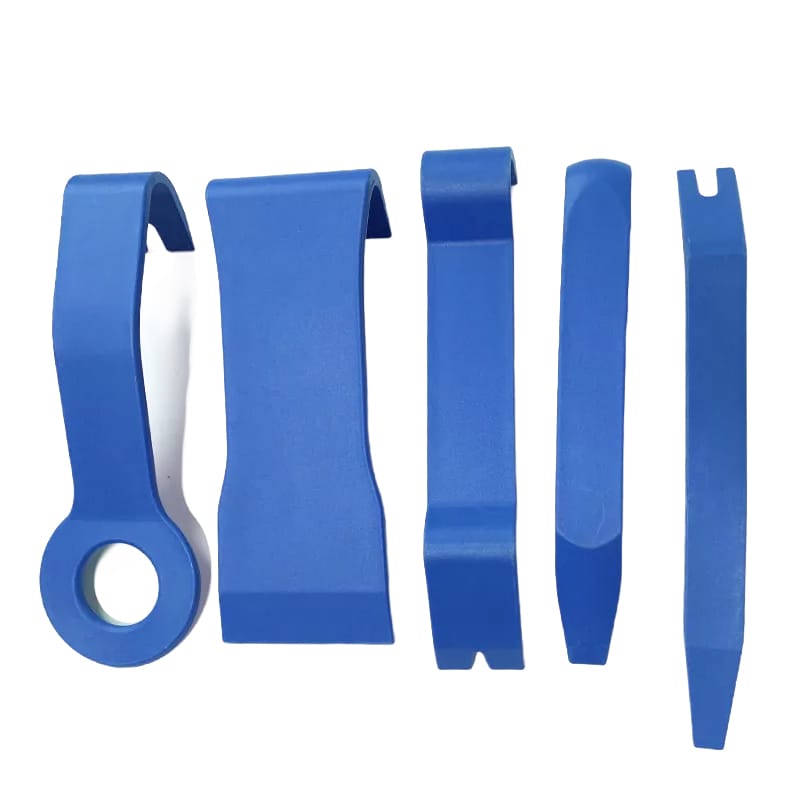
Modern vehicle interiors are becoming more complex every year. What used to be a simple combination of plastic panels and mechanical switches has evolved into a highly integrated system containing electronic controls, sensors, lighting components, speakers, wiring harnesses, and decorative materials.
Because of this development, professional technicians need more than basic hand tools when working on vehicle interiors. The right automotive trim removal tools can help remove panels, clips, mouldings, and interior components while reducing the risk of scratches, cracks, and broken fasteners.
Whether repairing a window regulator, replacing a speaker, installing electronic equipment, or performing interior maintenance, technicians often begin the job by removing trim components. A mistake during this first step can create unnecessary repair costs and additional working time.
This is why choosing suitable automotive trim removal tools has become an important consideration for auto repair shops, mobile technicians, and professional tool distributors.
This guide explains the different types of trim removal tools, how they are used, what features matter most, and how professional users can build a reliable interior repair toolkit.
For more automotive repair solutions, explore professional automotive repair tools designed for vehicle maintenance applications.
Why Automotive Trim Removal Tools Are Essential for Modern Vehicle Repairs
Vehicle interior components are usually designed to fit tightly together.
Manufacturers use various fastening systems, including:
- Plastic clips
- Push retainers
- Hidden screws
- Snap-fit connectors
- Decorative panels
- Moulding channels
Although these designs improve appearance and reduce noise, they can make repairs more challenging.
Using unsuitable tools such as screwdrivers or improvised objects may lead to:
- Scratched dashboard surfaces
- Broken clips
- Damaged trim edges
- Cracked plastic panels
- Marks on decorative finishes
Professional automotive trim removal tools are designed specifically for these situations.
They allow technicians to apply controlled pressure at the correct location instead of forcing components apart.
The purpose of a trim tool is not simply to create leverage. It is to provide precision.
What Are Automotive Trim Removal Tools?
Automotive trim removal tools are specialized tools used to remove vehicle interior and exterior trim components without causing unnecessary damage.
They are commonly used for:
- Door panels
- Dashboard trim
- Audio system panels
- Window switches
- Console covers
- Weather stripping
- Decorative mouldings
- Plastic clips and fasteners
Most trim tools are designed with specific shapes to match different repair situations.
Some tools provide wide contact surfaces for large panels, while others feature narrow edges for tight gaps.
A complete automotive trim removal tools set usually includes multiple designs because vehicle interiors vary significantly between models.
Common Types of Automotive Trim Removal Tools
Plastic Pry Tools
Plastic pry tools are among the most commonly used interior repair tools.
Their main advantage is that they provide separation force while reducing the risk of scratching visible surfaces.
They are often used for:
- Dashboard panels
- Door trim
- Console covers
- Decorative inserts
A well-designed plastic tool can enter small gaps and gradually separate components without damaging surrounding areas.
For technicians working on modern interiors, plastic pry tools are often the first tools selected.
Clip Removal Tools
Many interior components are secured using clips and retainers.
Clip removal tools are designed to engage with these fasteners directly.
They are commonly used for:
- Door panel clips
- Upholstery retainers
- Plastic fasteners
- Engine bay clips
Instead of pulling on the panel itself, clip tools help remove the fastening point.
This reduces stress on the surrounding plastic structure.
Wedge Trim Tools
Wedge-style tools are designed to create an opening between connected parts.
They are useful when technicians need initial access before inserting another tool.
Typical applications include:
- Opening trim gaps
- Separating panels
- Removing covers
- Accessing hidden fasteners
Different wedge thicknesses allow technicians to handle various gap sizes.
Long Reach Trim Tools
Some interior components are difficult to access because of their location.
Long reach tools help technicians reach deeper areas without removing additional components.
They can be useful around:
- Dashboard sections
- Interior panels
- Hidden clips
- Tight installation areas
These tools are especially valuable for professional repair environments where efficiency matters.
How to Choose the Right Automotive Trim Removal Tools
Selecting the correct automotive trim removal tools requires understanding the actual repair applications.
Consider Vehicle Applications
Different vehicles use different interior designs.
A technician working mainly on passenger vehicles may require a different tool combination compared with someone servicing commercial vehicles.
Before selecting tools, consider:
- Common vehicle types
- Repair frequency
- Interior materials
- Fastener designs
A flexible toolkit should cover the most common applications.
Choose Tools With Different Shapes
One of the biggest mistakes is selecting only one universal trim tool.
Vehicle interiors contain different spaces and fastening systems.
A professional set should include:
- Wide pry tools
- Narrow pry tools
- Clip removers
- Angled tools
- Long reach tools
Different shapes improve flexibility and reduce the need for excessive force.
Pay Attention to Material Quality
The material of trim tools directly affects performance.
Plastic tools should provide enough strength while maintaining flexibility.
Metal tools can offer higher durability but require careful handling around finished surfaces.
The ideal automotive trim removal tools should balance strength, control, and surface protection.
Evaluate Tool Ergonomics
Interior repair often involves repeated movements.
Comfortable handles and good grip design can help technicians maintain control.
Ergonomic tools may reduce fatigue during long repair sessions.
This is especially important for professional workshops handling multiple vehicles daily.
How Professional Technicians Use Automotive Trim Removal Tools
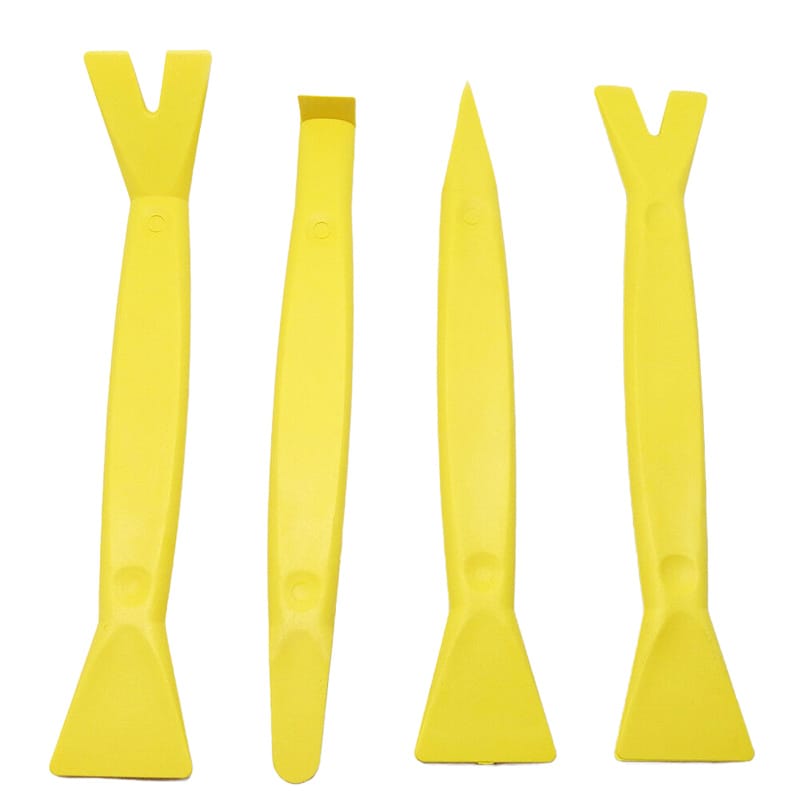
A proper workflow is just as important as having quality tools.
Inspect Before Removing
Before inserting any tool, inspect the component carefully.
Look for:
- Hidden screws
- Fastener locations
- Electrical connections
- Clip positions
Many damaged panels are caused by technicians applying force before understanding how the component is attached.
Start With the Correct Access Point
The first opening point is important.
A narrow tool may be needed to create a small gap before using a wider tool.
Working gradually reduces stress on the panel.
Release Clips One by One
Many interior panels are held by multiple clips.
Trying to remove the entire panel at once can bend or crack the material.
Instead, locate each clip and release it individually.
This is where professional automotive trim removal tools provide significant advantages.
Protect Electrical Connections
Modern trim panels often include electrical components.
Before completely removing a panel, check for:
- Wiring connectors
- Switch assemblies
- Lighting connections
- Sensors
Support the panel and disconnect connectors carefully.
Common Mistakes When Using Automotive Trim Removal Tools
Using Metal Tools on Sensitive Surfaces
Metal tools can provide strong leverage but may leave marks on visible interior surfaces.
For decorative areas, plastic tools are often preferred.
Applying Excessive Force
When a trim component does not release easily, more force is not always the solution.
The issue may be:
- A hidden screw
- An overlooked clip
- The wrong tool position
Professional technicians usually solve the problem through inspection rather than force.
Using Damaged Tools
Cracked plastic tools or worn edges can affect control.
Damaged tools may slip more easily and increase the risk of accidental damage.
Regular inspection helps maintain reliable performance.
Choosing the Wrong Tool Shape
A wide tool may not fit a narrow gap.
A thin tool may not provide enough support for a large panel.
Using the correct tool shape improves both efficiency and safety.
Automotive Trim Removal Tools for Different Repair Applications
Audio System Installation
Removing factory audio components often requires access behind dashboard panels.
Trim tools help technicians remove:
- Radio surrounds
- Control panels
- Decorative covers
without damaging surrounding surfaces.
Window Regulator Repairs
Door interiors often need to be removed when repairing window systems.
Proper trim tools help access:
- Door panels
- Clips
- Switch assemblies
- Internal mechanisms
Speaker Replacement
Replacing speakers requires careful removal of decorative covers and door panels.
Using the correct automotive trim removal tools helps preserve reusable components.
Vehicle Electronics Installation
Modern vehicles commonly receive additional electronic equipment.
Technicians may need to remove interior panels for:
- Wiring installation
- Camera systems
- Sensors
- Communication equipment
A suitable trim tool set improves installation efficiency.
Building a Professional Automotive Trim Tool Kit
A practical professional toolkit does not need unnecessary duplication.
A balanced selection may include:
| Tool Type | Application |
|---|---|
| Plastic pry tools | Interior panels and decorative trim |
| Clip removers | Fastener removal |
| Narrow tools | Small gaps and tight areas |
| Angled tools | Difficult access positions |
| Long reach tools | Deep interior locations |
| Protective tools | Surface protection |
For workshops, selecting versatile automotive trim removal tools can improve repair consistency across different vehicle models.
For businesses sourcing professional automotive tools, you can also contact Fengjie Tools for product information and application support.
How Quality Trim Tools Improve Repair Efficiency
Professional repair efficiency is not only about speed.
A good repair process should also reduce:
- Rework
- Broken clips
- Damaged panels
- Customer complaints
- Additional replacement costs
The right automotive trim removal tools help technicians complete the first stage of repair correctly.
When components are removed carefully, they can often be reused after the repair is completed.
This improves workflow and supports higher-quality service.
Automotive Trim Removal Tools and Future Vehicle Repair Trends
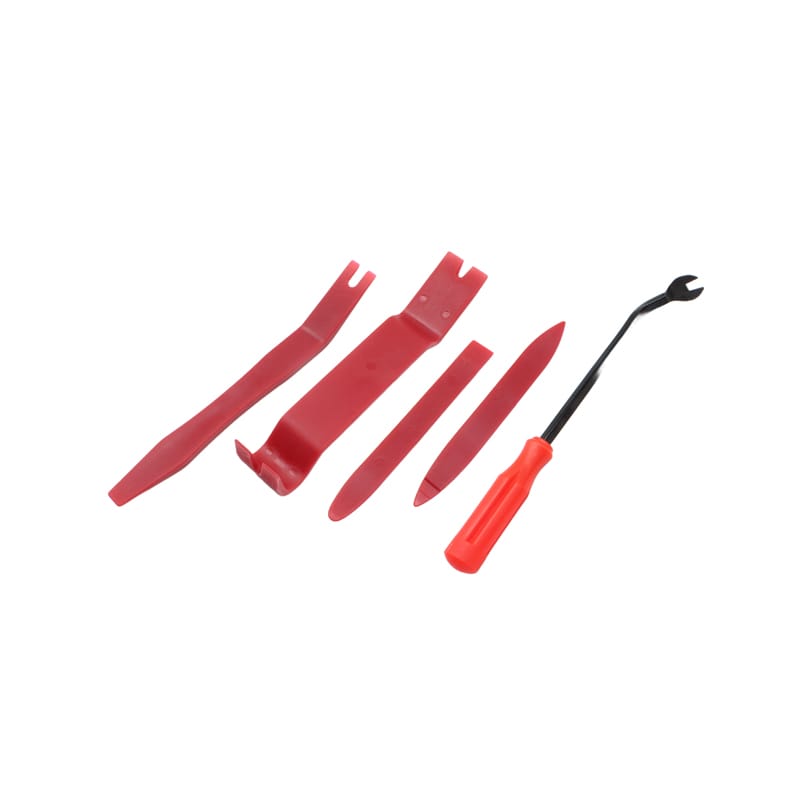
Vehicle design continues to change.
Future interiors are expected to include more:
- Digital displays
- Integrated electronics
- Advanced control systems
- Lightweight materials
As vehicle technology develops, professional repair tools must also evolve.
Technicians will increasingly need tools that provide precision rather than only strength.
The demand for specialized automotive trim removal tools is expected to continue growing because interior access remains a fundamental part of many vehicle repairs.
FAQ
What are automotive trim removal tools used for?
Automotive trim removal tools are used to remove interior and exterior vehicle trim components, including panels, clips, mouldings, and decorative covers.
Are plastic trim removal tools better than metal tools?
Plastic tools are often preferred for visible interior surfaces because they reduce the risk of scratches. Metal tools may provide additional strength for certain applications.
How many trim tools does a professional technician need?
The required number depends on repair applications. Most professionals use several shapes and designs because different vehicles use different fastening systems.
Can trim removal tools prevent broken clips?
Using the correct tool and proper technique can significantly reduce the risk of breaking clips, although some damaged or aged fasteners may still require replacement.
What should I look for when buying automotive trim removal tools?
Important factors include material quality, tool shape variety, durability, grip comfort, and suitability for the intended repair applications.
Conclusion
Choosing the right automotive trim removal tools is essential for modern vehicle interior repairs.
As vehicle designs become more advanced, technicians need tools that provide precision, control, and protection. The correct trim tools can help remove panels, clips, and decorative components while reducing the risk of unnecessary damage.
A professional toolkit should include different shapes and designs to handle various repair situations. From door panels and dashboards to electronic installations and interior maintenance, reliable trim tools improve both efficiency and repair quality.
For automotive workshops, technicians, and tool distributors, investing in professional automotive trim removal tools is an important step toward safer and more efficient vehicle repairs.
Explore Fengjie Tools for professional automotive repair tool solutions.